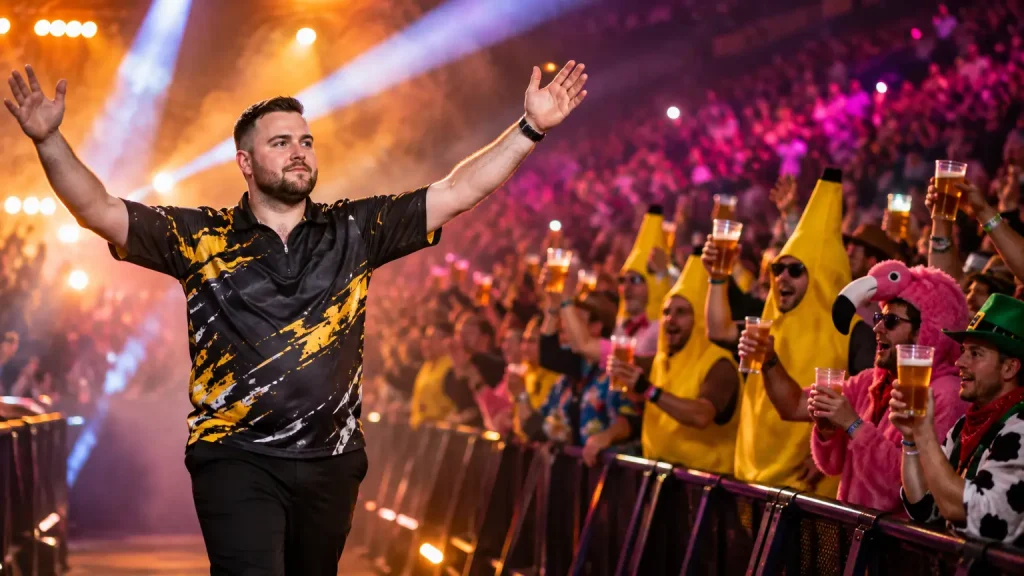
For fans, touring looks electric. Stage lights cut through smoke machines. Crowds chant lyrics back at artists. Guitar riffs echo through packed venues from Manchester to Berlin.
But for the musicians themselves, touring is far less cinematic.
There are long van rides. Airports at 6 a.m. Soundchecks in half-empty rooms. Hours spent waiting between load-in and stage time. In those stretches, the quiet spaces between adrenaline spikes, artists rely on rituals to maintain stability.
And increasingly, those rituals look surprisingly analog.
The Reality of the Green Room
Backstage areas are rarely glamorous. In smaller venues, they’re cramped. In larger arenas, they’re sterile. What they all share is time, often too much of it.
After soundcheck ends and before doors open, bands can spend hours in limbo. Phones are checked. Social media posts are scheduled. But constant screen time has limits.
Tour managers frequently describe morale as a fragile thing. Tension accumulates easily when schedules are tight and sleep is limited. Without intentional decompression, small irritations escalate.
This is where structured downtime becomes crucial.
Cards, Dice, and Conversation
It may sound understated, but card decks and board games are increasingly common fixtures in tour vans and green rooms. They require minimal space. They travel easily. And they shift focus from logistics to laughter.
Unlike scrolling on individual screens, games create shared attention. They give each person a role. They establish turn-taking and pacing, small structural elements that reset group dynamics.
Importantly, games also introduce low-stakes competition. After hours of professional pressure, competing over a round of cards can feel grounding rather than stressful.
Avoiding the “Wait-Time Slump”
Anyone who has toured knows the psychological dip that can occur in the hours before a show. Energy builds slowly. Anticipation mixes with fatigue.
Structured play fills that void. It offers momentum without draining focus. The rhythm of rounds mirrors the rhythm of performance preparation: build, pause, repeat.
Of course, unclear rules can derail that rhythm quickly. Arguments over scoring or turn order kill mood faster than any technical delay.
That’s why preparation matters. Some bands review quick-reference guides before introducing a new game into rotation. Having access to clear Playiro tips ensures everyone understands mechanics before play begins, preventing awkward mid-game confusion.
When time is limited, clarity is invaluable.
Festivals and Shared Spaces
The dynamic shifts during festival season. Artists share backstage areas. Musicians from different bands mingle. Icebreakers become necessary.
Games function as social bridges in these contexts. They transcend genre boundaries. An indie guitarist and a metal drummer may not share sonic influences, but they can share a round of cards.
Structured interaction lowers social barriers without forcing conversation. It creates entry points for connection.
In an industry often defined by networking pressure, informal play can feel refreshingly organic.
Creative Reset Between Cities
Touring also fragments creative energy. Writing sessions are paused. Studio experimentation is postponed. Days become logistical rather than imaginative.
Games offer a different kind of creativity, strategic, conversational, improvisational. They exercise problem-solving muscles without the pressure of output.
Some artists describe these moments as mental palate cleansers. A brief break from rehearsal loops or setlist tweaks restores perspective.
The Human Side of Performance

Gig culture often focuses on spectacle. Media coverage highlights stage outfits, surprise collaborations, and crowd sizes. What remains invisible is the fragile ecosystem behind each performance.
Bands are small communities. They navigate stress, fatigue, and constant proximity. Rituals, whether shared meals, pre-show stretches, or simple games, anchor those communities.
The resurgence of analog downtime reflects a broader shift in music culture. As digital life intensifies, artists increasingly value moments of embodied presence.
Backstage, without stage lights, the priority isn’t visibility. It’s connection.
Why This Matters to Fans
Fans rarely see these rituals, but they benefit from them. A cohesive band delivers better performances. Reduced tension translates into sharper onstage chemistry.
Understanding the human rhythms behind touring adds dimension to fandom. It reminds audiences that artistry is sustained not only by talent, but by maintenance, emotional, social, and psychological.
Why Structure Matters Under Pressure
Creative work thrives on unpredictability. But touring requires consistency. Night after night, artists must deliver performance-level energy regardless of fatigue.
Research referenced by the British Psychological Society suggests that structured social activities reduce interpersonal tension and improve group cohesion in high-stress environments. Predictable interaction frameworks provide psychological stability.
For bands living in close quarters, that stability can be the difference between cohesion and conflict.
Some groups meditate. Others journal. Many turn to something far simpler: games.
Between the Applause
Touring will always be demanding. The lights will always dazzle. The road will always test endurance. But between soundcheck and showtime, in the quiet corridors and cramped vans, small rituals keep everything moving.
Sometimes that ritual is a conversation. Sometimes it’s silence. And sometimes it’s something as simple as shuffling a deck, clarifying the rules, and sharing a laugh before stepping into the spotlight again. Because even in an industry built on amplification, it’s often the quieter structures that hold everything together.