

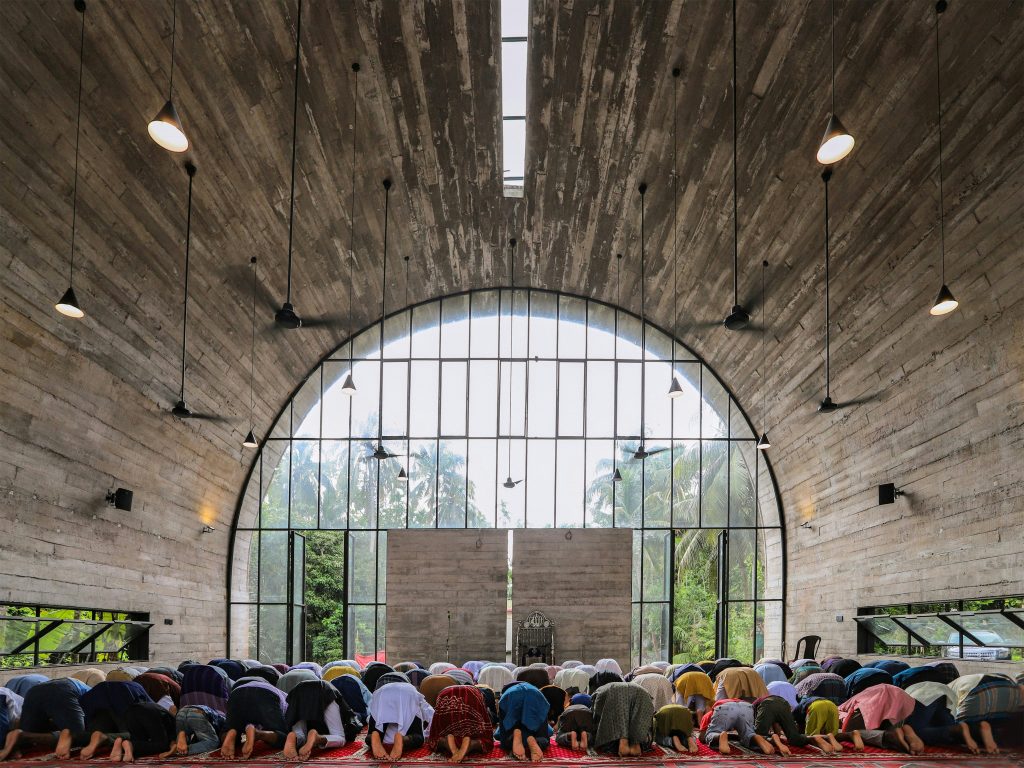
Islamic education plays a critical role in shaping individuals and society. In modern times, many students struggle to balance school, work, and religious learning. As a Quran tutor, I see daily challenges such as lack of focus, limited access to qualified teachers, and distractions from digital life.
Islamic education not only teaches Quran and Hadith but also builds moral character, discipline, and critical thinking. Understanding its role in modern society helps families, educators, and students prioritize learning and apply it effectively in daily life.
How can Islamic education guide personal development
Islamic education is essential for developing moral and ethical values. Many students face challenges like impatience, dishonesty, or weak self-discipline. Learning Quran and Hadith teaches principles like honesty, respect, and empathy. Teachers can use practical examples to connect lessons to everyday life, such as being kind to neighbors or honest in schoolwork.
Small daily practices, like reciting a verse with understanding, help internalize values. This guidance shapes character, builds strong personalities, and allows individuals to make decisions aligned with Islamic principles in the modern world.
How can Islamic education improve social behavior?
Many young people struggle with social interactions and respect for others. Islamic education teaches good manners, communication, and responsibility. Sisters and brothers who learn Islamic etiquette understand the importance of helping others and respecting elders. Teachers can give role-play examples or community projects to reinforce lessons.
For example, students may organize charity drives or assist family members. Practicing these behaviors strengthens social skills, reduces conflicts, and fosters positive relationships. Applying Islamic education in daily interactions creates a compassionate, cooperative, and responsible society.
How can Islamic education support academic success
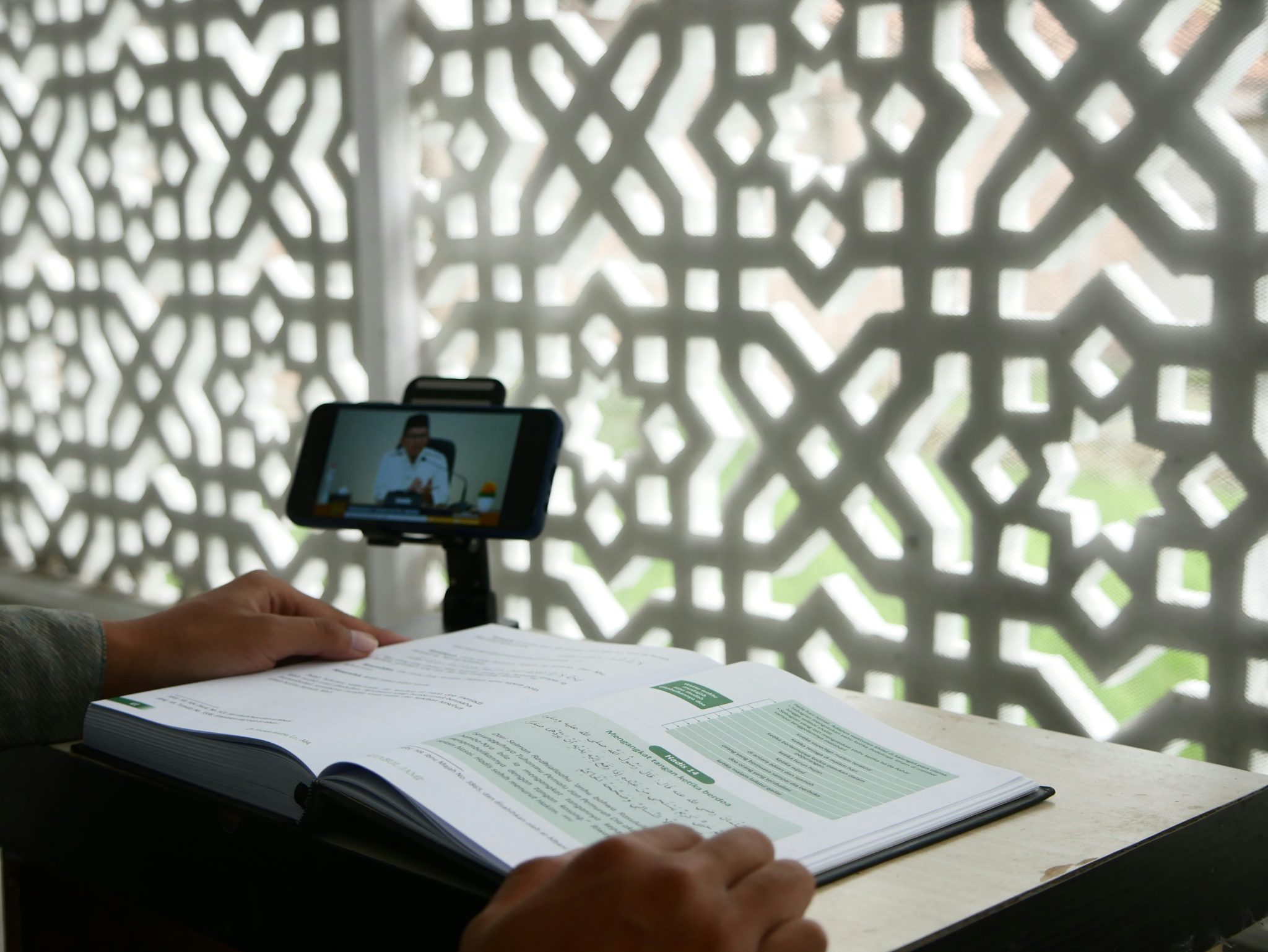
Some students feel Islamic studies take time away from schoolwork. However, Islamic education actually enhances focus, memory, and discipline, which support academic success. Memorizing Quran, learning Tajweed, and studying Hadith improve concentration and cognitive skills. Teachers can integrate short, daily study routines that balance both religious and academic learning.
For example, 20 minutes of Quran recitation before homework enhances memory retention. Combining spiritual and secular learning helps students excel academically while building a strong moral foundation, reducing stress, and promoting time management.
How can Islamic education strengthen family bonds
Family support is crucial for effective learning. Many students struggle because parents are not involved in religious education. Parents and teachers can collaborate to create home routines for Quran reading, discussion, and reflection.
For example, siblings can recite together, or parents can ask about the lessons learned each day. This approach encourages communication, understanding, and shared responsibility for spiritual growth. According to ilmibook, strengthened family bonds make learning enjoyable, increase accountability, and ensure children grow up with strong values, positive behavior, and respect for family and community.
How can Islamic education adapt to modern technology
Digital tools can solve many challenges in modern learning. Many students struggle with finding qualified teachers or resources. Apps, islamic studies online course, and virtual libraries provide access to Tajweed lessons, memorization tools, and scholarly explanations. Students can record recitations, compare them with professional Qaris, and track progress.
Teachers can provide feedback online or assign digital exercises. Using technology responsibly allows flexible learning, reduces missed classes, and ensures accurate understanding. Combining traditional and modern methods ensures students gain deep knowledge while staying connected in a digital world.
How can Islamic education encourage ethical decision-making
Modern society presents daily moral challenges. Students often face decisions involving honesty, fairness, or kindness. Islamic education teaches the consequences of actions through Quranic examples and Hadith. Teachers can provide scenarios and ask students to decide using Islamic principles. Daily reflection and discussion of choices reinforce understanding.
For example, discussing honesty in online communication or fairness in school assignments teaches practical application. Ethical decision-making builds integrity, strengthens character, and prepares students to navigate challenges confidently and morally in modern life.
How can students track their progress in Islamic learning
Tracking progress ensures consistent improvement. Many students lose motivation without measurable results. Simple tables or charts help monitor Quran memorization, Tajweed accuracy, and Hadith comprehension. For example:
|
Student Name |
Quran Verses Memorized |
Tajweed Accuracy |
Hadith Understanding |
Notes |
|
Sara |
3 Surahs |
90% |
Good |
Needs more focus on Idgham |
|
Ahmed |
2 Surahs |
85% |
Excellent |
Review Ghunna rules |
|
Fatima |
4 Surahs |
95% |
Good |
Keep practicing pauses |
Regular tracking allows teachers and students to identify strengths, focus on weak areas, and celebrate achievements, keeping motivation high and learning structured.
How can Islamic education integrate with daily life
Many students find religious lessons disconnected from daily routines. Teachers can guide students to apply Quranic teachings in small, practical ways:
- Recite and reflect on one verse each morning
- Practice patience during challenging tasks
- Help family members or neighbors weekly
These small actions reinforce lessons and make them relevant. Integration of Islamic education into daily life ensures students develop consistent habits, moral awareness, and practical skills, which strengthens both personal growth and community values.
Final Words
Islamic education plays a vital role in modern society by shaping character, promoting ethics, and supporting academic and personal growth. According to Quran Grace, using structured routines, tracking progress, integrating technology, and applying lessons to daily life ensures practical learning. Collaboration between teachers, parents, and students strengthens learning outcomes. Personalized guidance and consistent practice improve Tajweed, memorization, and understanding.