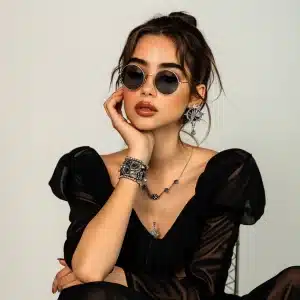
In the world of event fashion, trends tend to cycle with the rhythm of a well-curated playlist. Just as vinyl records and vintage band tees have found their way back into the mainstream, so too have the classic staples of formal wear: the wrist corsage and the buttonhole (or boutonnière). Once resigned to the realm of stiff, traditional weddings or cheesy 80s prom photos, these botanical accents are experiencing a high-fashion renaissance.
Today, whether it’s a red-carpet music awards ceremony, an alternative wedding festival, or the biggest night of the high school calendar, wearable botanicals are no longer an afterthought. They are the B-side track that suddenly becomes the hit single—unexpected, edgy, and essential for completing the look.
The Evolution: From Stiff Tradition to Statement Art
Historically, the boutonnière was a symbol of gallantry, worn by men to ward off bad luck or simply to smell good in an era before deodorant. The corsage, pinned to the bodice of a dress, was a gift of courtship. Fast forward to the 21st century, and the script has been flipped. We are seeing musicians rocking floral lapel pins at the Grammys and influencers donning oversized floral cuffs at Coachella.
The modern iteration of these accessories is less about “tradition” and more about “expression.” It’s about texture, movement, and structural design. We are seeing a move away from the tight, symmetrical rosebud pinched into a plastic holder. In its place, designers are utilizing feathers, succulents, dried grasses, and architectural foliage to create miniature wearable sculptures.
The Wrist Corsage: Jewellery by Nature
For decades, the wrist corsage suffered from a bad reputation—often associated with scratchy elastic bands and drooping carnations. However, the contemporary corsage is closer to fine jewellery than it is to a garden bed.
The base mechanics have evolved significantly. Designers now use metallic cuffs, pearl bracelets, or silk ribbons that tie effortlessly around the wrist, ensuring the piece feels like a luxury accessory rather than a medical ID tag.
Texture over Colour
The current trend favours texture over aggressive colour matching. Instead of trying to find a bloom that perfectly matches a teal dress (which often results in artificial, dyed petals), the modern approach is to find complementary textures. Soft, velvety Lamb’s Ear leaves, rigid berries, or wispy ferns add depth and intrigue.
The “Cuff” Style
A popular modern variation is the “cuff” corsage, which sits wider on the wrist and often trails slightly up the arm. This dramatic look works exceptionally well with sleeveless gowns, acting as a temporary tattoo of nature. It’s a bold style choice that says the wearer is confident and fashion-forward.
The Buttonhole: redefining Masculine Accessories
The boutonnière is perhaps the only piece of jewellery many men will wear aside from a watch or a wedding ring. For a long time, the standard was a single white rose or a carnation. While classic, it’s safe.
Modern menswear, influenced heavily by the risk-takers in the music and film industries, has opened the door for more experimental buttonholes. We are seeing “pocket square” florals—arrangements designed to slide into the breast pocket rather than be pinned to the lapel. This offers a cleaner line and prevents the awkward drooping that can happen with heavy stems.
Materials have also shifted. Rustic weddings and school balls are seeing an influx of dried botanicals—bunny tails, gum nuts, and wheat—which offer a masculine, earthy vibe and have the added benefit of being indestructible on a crowded dance floor.
The School Ball: The Ultimate Rite of Passage
For many young Australians, the School Ball is the first major formal event of their lives. It is the night where Instagram feeds are curated with military precision and outfits are planned months in advance. In this ecosystem, the corsage and buttonhole exchange is a crucial ritual.
It used to be that the date would blindly buy a corsage, hoping it didn’t clash with the dress. Today, the process is far more collaborative. Couples are coordinating their looks to create a cohesive visual brand for the evening. If the dress is sequined and loud, the corsage is kept minimal and green. If the suit is a velvet maroon, the buttonhole might feature dark, moody foliage to match.
For students and parents currently in the planning phase, looking at professional examples of how these pairings work is essential. Seeing how a professional studio helps make school balls memorable with stunning corsages and buttonholes can provide the necessary inspiration to move away from the generic and towards the unique. It ensures that the photos taken before the limo arrives stand the test of time (and the scrutiny of social media).
Weddings: The Festival of Love

If School Balls are the pop singles of the event world, weddings are the concept albums. They are grand, thematic, and deeply personal. The role of wearable botanicals here has shifted from “everyone wears a rose” to “how do we distinguish the VIPs?”
The Groom’s Team
The Groom and his Groomsmen often use buttonholes to signify hierarchy. The Groom might wear a double-bloom design or one with a specific rare element, while the groomsmen wear simplified versions. This visual shorthand helps guests identify the key players immediately.
The Bridal Party
While bridesmaids typically carry bouquets, there is a growing trend, especially in “boho” or festival-style weddings, for bridesmaids to wear wrist corsages instead. This leaves their hands free for holding champagne, adjusting the bride’s train, or throwing shapes on the dance floor later in the night. It creates a more relaxed, party-ready vibe that aligns with the modern “wed-stival” (wedding festival) atmosphere.
Practical Style: How to Wear Them (and Keep Them Alive)
The biggest challenge with wearable nature is that, unlike a silk tie or a diamond necklace, it is alive. It has an expiration date. However, with the right handling, these pieces can look fresh from the pre-drinks to the after-party.
Placement Matters
- Buttonholes: Always go on the left lapel, over the heart. They should be pinned securely from the back of the lapel so the pin mechanism is invisible. The stem should align parallel to the edge of the lapel.
- Corsages: Tradition dictates the left wrist, but practically, it should be worn on the non-dominant hand to minimize bumping into things. If you are right-handed, wear it on the left.
The Fridge is Your Friend
Heat is the enemy. Until the moment you are walking out the door, these accessories should be kept in the warmest part of the fridge (usually the vegetable crisper or the door), away from the freezer section. This keeps the cells of the plants turgid and crisp.
The Hug Test
One of the most common ways buttonholes get crushed is during the enthusiastic greetings at the start of an event. When wearing a buttonhole, be mindful of the “lean-in.” Go for a side hug or a handshake where possible to preserve the structure of the arrangement.
Sustainability and Seasonality
A massive topic in the music and events industry right now is sustainability. Festivals are banning single-use plastics, and fashion is looking at ethical sourcing. The same applies to your event accessories.
Requesting locally grown, seasonal elements reduces the carbon footprint of your accessory. In Australia, this might mean opting for hearty natives like Waxflower or Thryptomene, which not only last longer out of water than delicate imported blooms but also support local growers.
Furthermore, the rise of “dried styling” means your corsage can become a keepsake. A wrist piece made of preserved hydrangea and dried lavender doesn’t need to be thrown in the bin the next morning; it can be placed on a vanity table as a permanent memento of the night.
Choosing Your Creators
The difference between a corsage that falls apart before the entrée and one that survives the mosh pit often comes down to the mechanics of construction. It is a niche skill, requiring wiring and taping techniques that are quite different from arranging a standard vase.
When sourcing these delicate pieces, it is vital to consult local based artisans who understand the local climate and the rigours of an event environment. Experienced designers know which varieties will wilt instantly in a crowded hall and which will remain perky and photogenic until the lights come on.
Conclusion
Whether you are stepping onto a stage, walking down an aisle, or entering a school hall, the details of your outfit tell a story. Wrist corsages and buttonholes are the punctuation marks of formal wear—small, distinct, and capable of changing the entire tone of the sentence.
By moving away from the stiff traditions of the past and embracing texture, modern mechanics, and personal style, these botanical accents become more than just decoration; they become an extension of your personality. So, for your next big event, don’t just pin on a rose because you feel you must. Choose a piece that rocks as hard as you do.