

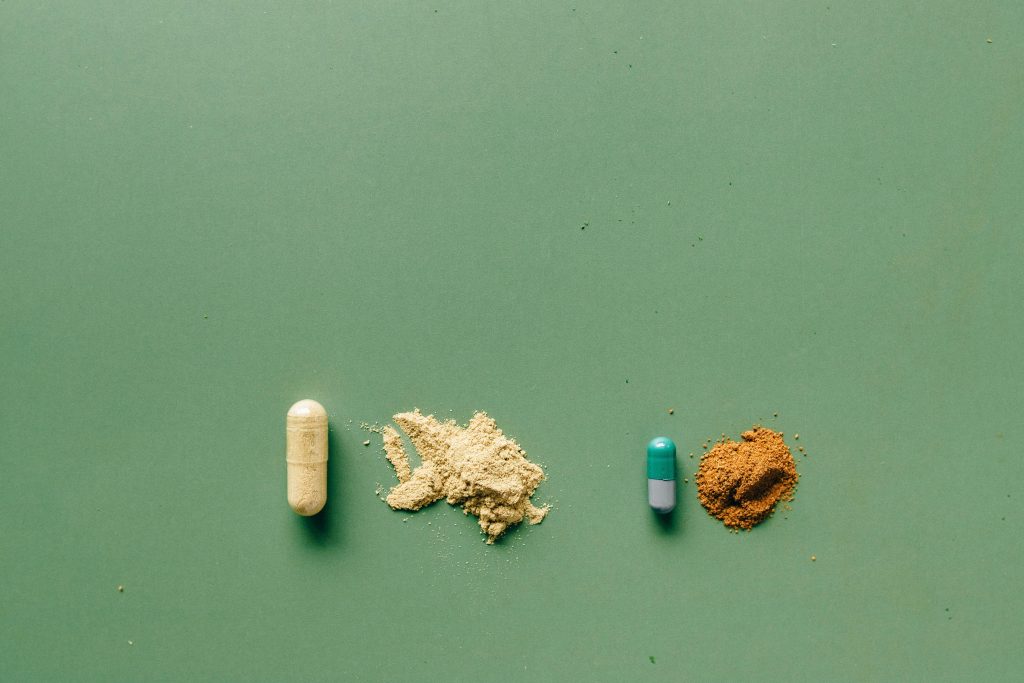
Once someone starts researching SARMs, this question comes up fast: Liquid or powder? On the surface, it seems like a simple format choice. In reality, it affects dosing, convenience, storage, and how much control you really have.
Before anything else, one thing needs to be clear. SARMs are not approved for human consumption outside clinical research. Long-term effects aren’t fully understood. Anyone exploring this space needs to understand the legal side and the risks involved. Now let’s break down the practical differences.
What SARMs Are and How They Work
Selective androgen receptor modulators interact with androgen receptors in muscle and bone tissue.
The idea behind them was simple. Create compounds that target muscle and bone more selectively than traditional anabolic steroids. Research originally focused on muscle wasting and bone density conditions.
Bodybuilders and athletes became interested because of their potential impact on muscle growth and body composition. But again, these are research compounds. They’re not the same category as creatine or protein powder.
Liquid SARMs: Practical Advantages
Liquid SARMs come pre-dissolved in a solvent, usually alcohol-based. That means no prep. Open the bottle, measure your dose, and you’re done.
Why Some People Prefer Liquid
1. Easier dosing
If a bottle says 10 mg per milliliter, you measure 1 ml, and you know exactly what you’re getting. That simplicity makes a big difference, especially for beginners.
No scale. No math. No mixing.
2. Faster absorption potential
Since the compound is already dissolved, your body doesn’t need to break down the powder first. Some people also take liquids sublingually (under the tongue), which may allow partial absorption before digestion.
For those who care about timing around training, that’s part of the appeal.
3. Convenience
Traveling? Dosing quickly before work? Liquid is straightforward. No setup required.
The Downsides
The taste is rough. Most liquid SARMs taste chemical and harsh. You’ll probably need juice or a chaser.
Shelf life is also shorter than powder. Once opened, liquids are more sensitive to light, heat, and solvent breakdown. Most are best used within 6–12 months.
You’re also trusting the supplier’s stated concentration. You can’t easily verify it yourself.
Powder SARMs: What They Offer
Powder SARMs are the pure compound without any solvent. No suspension. No flavoring. Just the raw material.
Why Some People Choose Powder
1. Cost efficiency
Powder usually costs less per gram than liquid. If someone plans longer cycles or bulk purchases, the savings add up.
Over time, this can make a noticeable difference.
2. Longer shelf life
Properly stored powder (in an airtight container, cool, dry place) can remain stable for years. No solvent means less degradation.
For long-term storage, powder clearly wins.
3. Full control
Some experienced users prefer powder because they control everything. They can weigh doses precisely or create their own solution using a chosen solvent.
For people who want total oversight, that matters.
The Trade-Off
Convenience. You need a high-quality milligram scale, ideally accurate to 0.001 grams. Eyeballing powder is not an option. Small measurement errors can make a big difference.
Humidity, airflow, and even static can affect fine powder. If you’re not careful, you can waste product. There’s a learning curve here. Not everyone wants that.
Dosing Accuracy: Which Is Better?
This is where things get practical. Liquid is simple. Measure with a dropper or syringe, and you’re done. For beginners, that reduces mistakes.
Powder can be extremely precise, but only if you have the right equipment and technique. Some experienced users actually trust powder more because they’re measuring the compound themselves. With liquid, you’re relying entirely on the manufacturer’s labeling. So accuracy depends less on the form and more on the user.
Absorption Differences
Liquid has a slight edge in speed since it’s already dissolved. Powder must dissolve in the stomach before absorption begins. For most people, the real-world difference is small, but technically it exists.
If someone mixes powder into a homemade suspension, the quality of that mixture matters. Poor mixing can lead to uneven dosing, where one serving contains more compound than another. Consistency matters here.
Storage and Stability
If you’re thinking long term, storage is important.
Liquid:
- Sensitive to light and heat
- Solvent can slowly degrade
- Shorter lifespan once opened
Powder:
- More stable when stored properly
- Less affected by temperature swings
- Can last significantly longer
If you travel often or don’t have consistent storage conditions, powder tends to be more forgiving.
Cost Over Time
Upfront, liquid often looks more expensive. You’re paying for preparation and convenience. Powder usually wins on cost per gram. For longer use, that difference becomes noticeable.
But here’s the catch. If you spill powder, mis-measure, or don’t have a proper scale, you can waste product fast. Liquid reduces that risk for beginners.
So it’s not just about price. It’s about how well you can handle the format.
Choosing Based on Your Situation
Be honest with yourself. If someone is new to SARMs and still learning about dosing, liquid sarms offer a smoother start. Built-in measurement. Less room for user error.
More experienced users who already own precise scales and understand handling procedures often lean toward powder for the cost savings and storage advantages. Your comfort level makes a difference.
Whether liquid or powder, effective recovery practices matter more than format, and understanding sports science recovery insights helps frame the context for why athletes explore (and debate) compounds like SARMs
Legal and Safety Reality
No matter the form, SARMs carry the same core risks. They are not approved for human consumption outside clinical trials. Legal status varies by country. Anyone considering them needs to research local regulations carefully.
Quality control is a serious issue. Third-party testing and certificates of analysis are essential. Without them, you’re guessing what’s in the bottle or bag.
Side effects can include hormone suppression and other endocrine disruptions. The format does not change the pharmacology. Liquid and powder contain the same active compound. Form choice does not reduce risk.
Making Your Decision
There’s no universal answer. If convenience and simplicity matter most, liquid is the easier route. If budget, long-term storage, and maximum control are your priorities, powder has the edge.
Supplements (whether traditional ones like protein or controversial ones like SARMs) are just one piece of the performance puzzle; the role of nutrients in fitness and performance still underpins any effective regimen.
Step back and think about:
- Your experience with precise measurement
- Your storage setup
- How long do you plan to use it
- Whether convenience or cost matters more
And above everything, quality matters more than format. A well-tested product from a reputable source is more important than whether it’s dissolved in a bottle or sitting in powder form. Choose based on your situation. Not hype. Not trends. Know what you’re getting into