The use of belt conveyors can change the way materials pass through your production line and make the processes quicker and more efficient. But when they are not used carefully, these powerful systems can cause significant hazards, entanglement or crushing accidents, and unforeseen accidents during startup.
New safety issues are usually presented by the expansion of conveyor operations as your facility develops. A common question you may be asking yourself may be: How can we enhance safety without slacking production? Or what do we need to protect employees and equipment?
Good safety elements go beyond injury prevention to include preserving uptime, fostering worker confidence, and facilitating operational adherence to set standards.
This article will take you through the key safety considerations that any belt conveyor system must possess in order to operate smoothly, securely, and reliably, and you will find out what features are important and why they are important.
1. Extensive Physical Protection
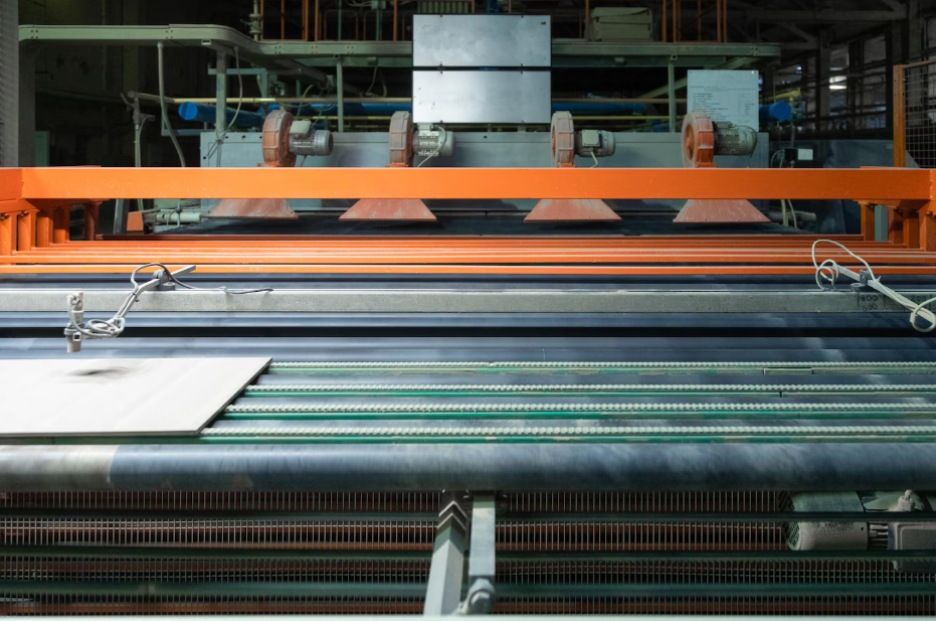
The basic safety measure of belt conveyors is strong physical guarding of moving components. Guarding helps to stop the hand, clothing, and tools from contacting dangerous nip points, pulleys, and drive mechanisms, and greatly minimizes the risk of injury.
Guards are to be firmly mounted and be designed to provide protection of the unsafe areas without affecting the normal operation, and they must have interlocks where necessary to prevent the conveyor from opening or removed.
These guards prevent workers by eliminating the major hazard areas where belts loop around rollers and pulleys, and they are consistent with established safety guidelines on machine protection.
2. Emergency Stop Systems
Emergency stop buttons are necessary in reaction to unexpected incidents. These are pull cords, rope switches, and push buttons that should be easily accessible along the length of the conveyor to allow an operator to stop movement at the first indication of a problem.
Notably, once the system is activated, it must not restart unless it is switched off deliberately, which will exclude the chances of unintended restart. Properly located emergency stops decrease the response time and play a vital role in minimizing injuries and equipment loss during emergency situations.
3. Audible and Visual Warning Signals
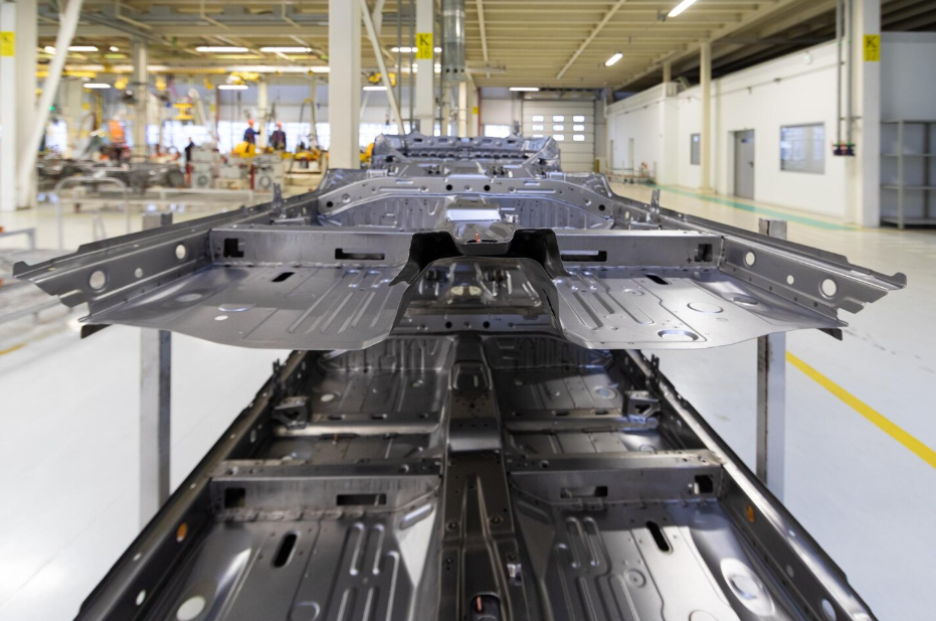
Workers should be notified by visual and audible signals before a conveyor begins motion. Start-up warning devices allow the staff to leave potential danger areas prior to the belt starting to run, and this is particularly important in noisy plants or locations where two or more teams are operating near the conveyor belts.
Light and sound signals ensure there is redundancy, so warnings can be observed under any conditions of the environment. This pre-emptive warning encourages safe practice and minimizes the chances of unintended exposure to live electrical equipment.
4. Lockout/ Tagout (LOTO) Capability
All belt conveyors should be lockout/tagout-compatible to prevent unsafe operation during repair and maintenance. Lockout/tagout is an electrical and mechanical energy isolation process, and the application of visible tags and locks to ensure that the machine is not accidentally started during work in progress.
This feature is essential as the maintenance staff is safeguarded by stringent LOTO procedures, and the safety standards established by most organizations require adherence to acceptable safety standards.
5. Inbuilt Sensors and Automatic Alarms
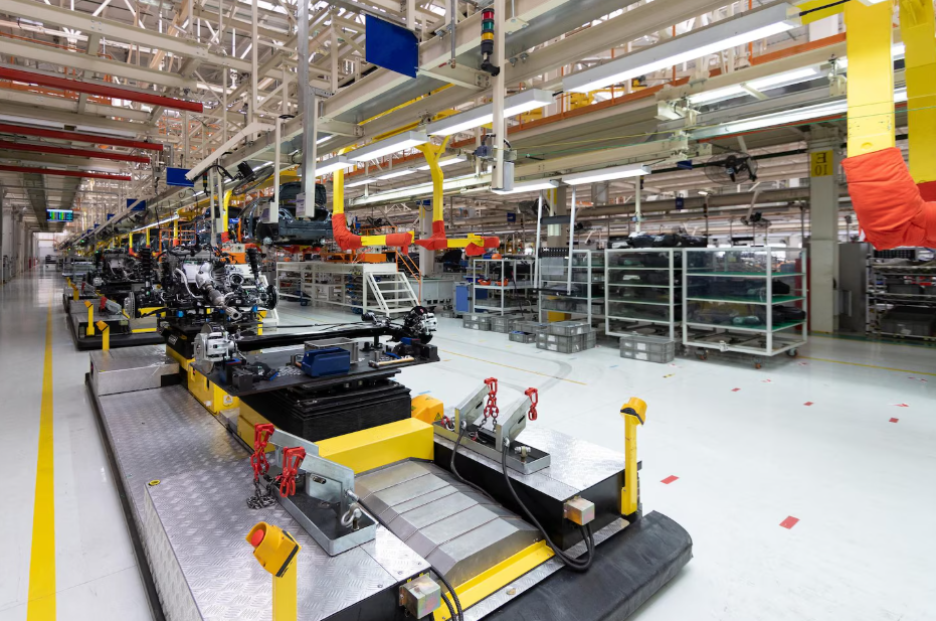
The newest belt conveyors are equipped with intelligent sensors tracking the activity of the systems. They can be belt alignment sensors, overload sensors, and temperature or blockage sensors.
When abnormal conditions arise, such as a misaligned belt or excessive load, alarms warn operators or even trigger automatic shutdowns to prevent damage and injury.
Sensor-based monitoring adds a proactive layer of protection, catching issues early and supporting smoother operations with less unplanned downtime, while improving response accuracy and reducing reliance on manual supervision.
6. Clear Signage and Warning Labels
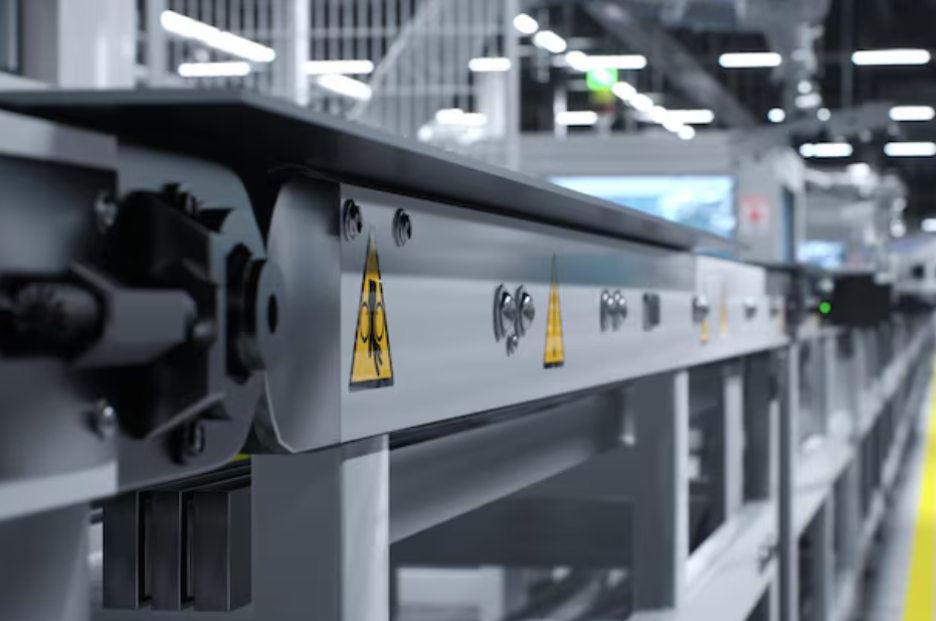
Effective visual communication plays a vital role in conveyor safety. Clear and visible signage should highlight pinch points, emergency procedures, required personal protective equipment (PPE), and other hazards around the conveyor.
Labels act as constant reminders, reinforcing training and ensuring that both seasoned team members and temporary workers understand risk areas and safe operating practices immediately upon entering the workspace, even in high-noise, fast-paced, or visually complex industrial environments.
7. Regular Maintenance and Inspection Access
Ensuring long-term conveyor safety goes beyond hardware features—it also depends on easy inspection access and routine maintenance. Well-designed systems should allow safe access to key components for inspection without exposing workers to risk zones.
Scheduled maintenance checks help identify wear, damage, or misalignment before small issues become major failures.
Coupled with documented inspection routines, this practice supports reliability and extends the service life of conveyor components while reducing unexpected breakdowns, supporting compliance, documentation accuracy, safer workflows, and operational consistency.
Bringing it All Together
Implementing the right safety features on your belt conveyors is a strategic investment in both workplace safety and operational efficiency. From physical guards and emergency stops to sensors and clear signage, each element plays a distinct role in preventing accidents, protecting personnel, and maintaining productivity.
These features work together to create a safer, more predictable environment where teams can focus on quality work without unnecessary risks. Moreover, aligning your safety approach with industry standards and maintenance best practices reinforces a culture of vigilance and continuous improvement.
As your production needs evolve, prioritizing conveyor safety helps ensure lasting performance and resilience within your material handling processes. The right safeguards make safety seamless, sustainable, and integral to success.