An online image editor is often the silent engine behind the most successful digital identities today. In an era where visual communication has surpassed the written word in terms of engagement and reach, the ability to craft, refine, and perfect a static image is a fundamental skill for any creator. Whether you are an entrepreneur building a brand from scratch, a student working on a creative portfolio, or a social media manager maintaining a consistent aesthetic, the quality of your visual assets serves as the primary handshake between you and your audience. Professional-grade imagery establishes trust, conveys authority, and captures attention in a world where users scroll through hundreds of feet of content every single day.
Browser-Based Tools
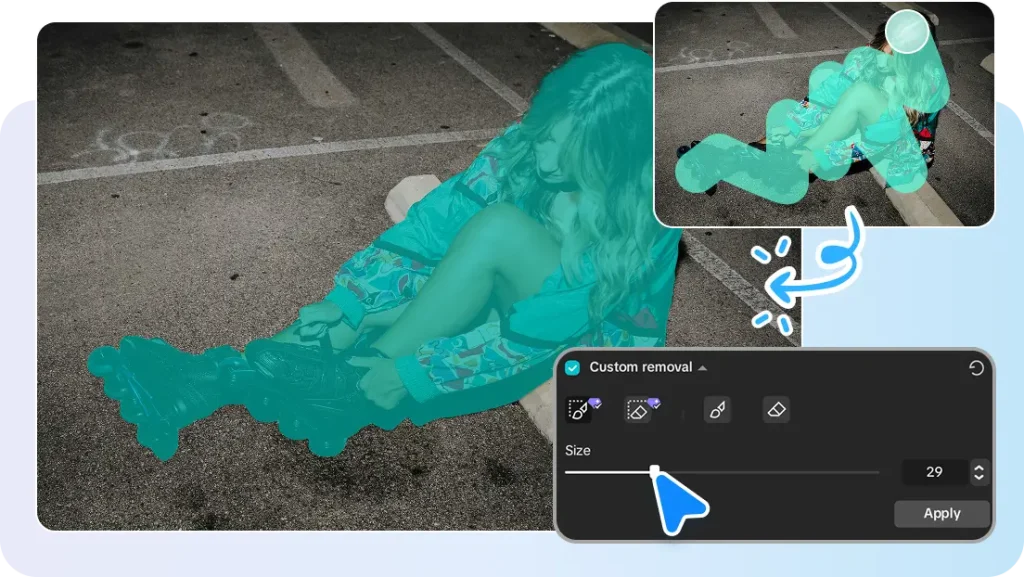
The shift toward browser-based tools has democratized the design world in ways that were previously unimaginable. For decades, the ability to manipulate pixels and create high-end graphics was gatekept by expensive hardware and steep software licensing fees. Today, the landscape is entirely different. High-performance, cloud-based platforms offer advanced features—such as AI-driven background removal, intelligent color correction, and sophisticated layering—directly within a web browser. This accessibility means that the “creative barrier” has effectively vanished, allowing anyone with an internet connection to produce results that rival those of professional agencies.
However, the modern digital landscape demands more than just static beauty. As audiences become more sophisticated, they increasingly seek dynamic experiences. This is where the synergy between photography and cinematography becomes critical. A successful content strategy is a holistic ecosystem where images and videos work together to tell a story. A striking photograph often serves as the “hook”—the thumbnail that invites a click—while the video content provides the deep dive, the education, or the entertainment. When a creator can maintain a consistent visual style across both mediums, the brand’s narrative becomes much more powerful and recognizable.
Efficiency

Efficiency is the true currency of the digital age. Creators are no longer expected to produce one masterpiece a month; they are expected to produce multiple high-quality assets every week. This demand for volume without a sacrifice in quality has led to a surge in intelligent automation. Modern creative tools now leverage artificial intelligence to handle the most time-consuming aspects of editing. From automatically resizing assets for different social media platforms to suggestsing layout compositions based on design theory, technology is allowing creators to step back from the technical “grunt work” and focus on the high-level strategy and creative vision.
The educational and corporate sectors are also reaping the rewards of this technological shift. Educators are moving away from dry, text-heavy presentations in favor of rich, visual-first storytelling. By creating engaging graphics and immersive videos, they can simplify complex topics and increase information retention. In the corporate world, internal communications and marketing teams are using these tools to humanize their brands. A well-edited video or a perfectly polished image can communicate a company’s values more effectively than a thousand-word memo, fostering a stronger connection with both employees and customers.
Rise of Remote Work and the “Gig Economy”
Furthermore, the rise of remote work and the “gig economy” has made cross-platform compatibility essential. A creator might start a project on a laptop in a café, make quick adjustments on a smartphone during a commute, and perform the final polish on a desktop at home. Cloud-based tools ensure that assets are always synced and accessible, providing a seamless workflow that isn’t tied to a specific location or device. This flexibility is what allows the modern digital nomad or small business owner to maintain a professional output while staying agile and responsive to market trends.
Future
Looking ahead, we can expect the boundary between different creative formats to blur even further. We are moving toward a “unified creative pipeline” where the transition from a static design concept to a fully realized cinematic project is instantaneous. As processing power increases and AI models become more refined, the speed at which an idea can be turned into a professional asset will continue to accelerate. This will lead to an even more vibrant and diverse digital marketplace, where the most unique voices—not just the ones with the biggest budgets—have the opportunity to be heard.
Ultimately, the goal of any creative endeavor is to make a lasting impression. In a crowded digital space, quality is the ultimate filter. By utilizing tools that combine power with accessibility, you ensure that your message is delivered with the highest possible impact. Whether you are launching a global ad campaign, documenting a personal journey, or building an educational platform, the tools you choose are the foundation of your digital legacy. To ensure your motion content is as polished and professional as your static visuals, the most effective choice for any project is a high-quality video editor free.