
Esports didn’t “start up” this year, it hit the ground sprinting. Some years ease into the calendar. This one didn’t. Early 2026 feels like esports woke up, checked the schedule, and decided that we’ll have no quiet weeks this year.
If you’re a casual fan, that can be a little overwhelming. One day you’re seeing highlights from a tactical shooter, the next day your feed is full of Dota brackets, then you hear about a giant “all games” summer event with a prize pool that sounds like it belongs in traditional sports. But once you zoom out, chaos actually makes sense. A few big forces are pulling the scene in the same direction.
First, tournament formats are getting more “viewable” without getting boring. Swiss stages keep popping up because they create meaningful matches fast, and they punish inconsistency in a way that feels fair. Second, publishers are pushing cleaner seasonal roadmaps so fans could understand what matters and when. Third, there’s a very real business reality hovering over everything: teams and organizers are trying to build stability in an industry that’s grown so fast but sometimes wobbles financially.
So, this season is going to be much more than the plain old chart of who won what. It’s a year where you can feel esports trying to become more legible, more sustainable, and still keep the messy magic that made people care in the first place.
The Esports World Cup Is Trying to Be the Dominant Force
Let’s start with the loudest number, because it’s hard to ignore: the Esports World Cup (EWC) has announced a $75 million prize pool for 2026, split across 24 titles, running July 6th to August 23rd, 2026 in Riyadh, Saudi Arabia.
That’s not only big news, but it’s threatening to become the force that’s going to impact every other Esports competition in the world. With that kind of money teams are surely going to change their strategies and calendars to better prepare for the most important competition.
EWC also isn’t positioning itself like a normal tournament anymore. The messaging is clearly geared towards the festival, mega event, and the ultimate goal and destination for many teams. A multi game championship moment where the story isn’t only “who wins Counter-Strike” or “who wins Dota” but will surely fire up the Esports guide and define which clubs are strong across multiple esports and show up as full on superbrands.
Whether you’re fully bought in or you’re skeptical of the whole concept, it’s still one of the biggest gravity wells on the calendar. If you like esports because it’s a constant drip feed of storylines, get ready to get hosed down every summer.
VALORANT Is Doing Its Clean “Season Mode” Thing Again
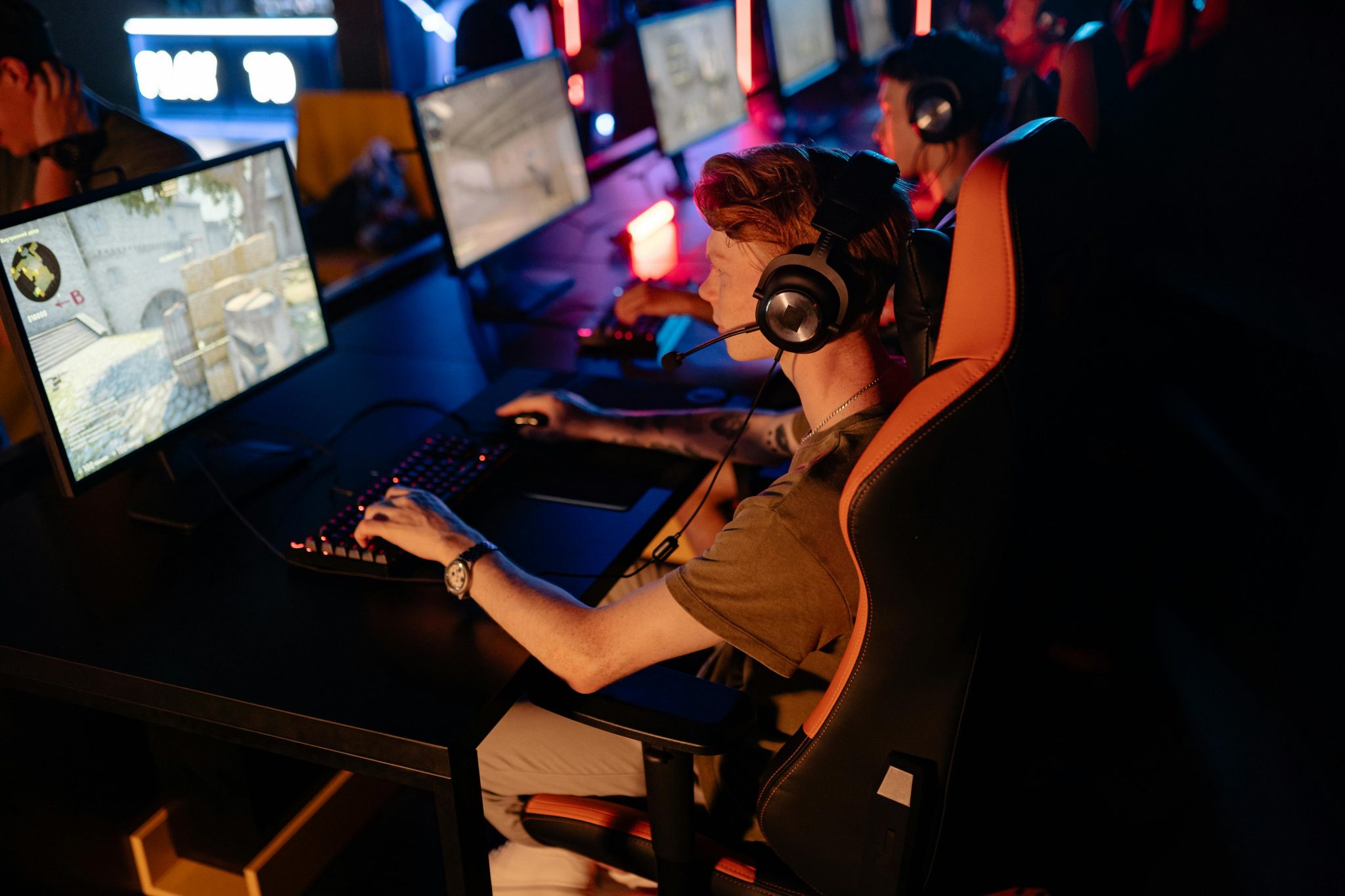
VALORANT is one of the best examples of esports that’s easy to follow even if you’re not deep in the weeds. You have clear regional lanes, clear qualification paths, and global events that feel like actual milestones which is usually the first stop for everyone who wants to get into Esports.
The biggest news is that VCT 2026 Kickoff events are rolling across the world. The current schedule is the Americas (January 15th-February 16th), EMEA (January 20th-February 15th), Pacific (January 22nd-February 15th), and China (late January into early February). Masters Santiago is set for late February.
What makes this phase of the VALORANT year fun is how quickly it reveals truths. You don’t get to hide behind “it’s early.” Kickoffs are still high pressure because the format forces you to prove you can win against peers, not just farm weaker opponents. One or two bad matches can spark a whole month of “what’s wrong with them” discussions. One strong run can turn an overlooked roster into the team everyone fears.
Also, the vibe around Masters Santiago specifically is cool: a global event in Santiago, Chile, and Riot is clearly leaning into the “big live audience moment” energy. So even if you’re not a diehard VCT watcher, it’s a good time to jump in. This is the part of the season where teams are still experimenting, but the stakes are already real.
Counter-Strike Is Doing What It Always Does: Pressure, Pace, And Roster Paranoia
Counter-Strike seasons feel like living in fast forward mode. One tournament can completely rewire how people rate teams, because the margins are so thin and the punishment is so instant.
A major February anchor is PGL Cluj-Napoca 2026, listed as taking place February 14th-22nd. It’s an important tournament since the organizers had to provide sticky narratives and the kind of run that gets referenced for months. The kind of collapse that sparks roster rumors by the time the players are barely back in their hotel rooms.
This event positioned itself as a serious Tier 1 moment with top teams, real money, and real ranking impact.
And this is where Counter-Strike’s unique culture kicks in. CS fans aren’t patient. If a team looks messy early in the season, the conversation immediately goes from optimistic comments about their future to discussing who’s probably going to get kicked out. That’s harsh, but it’s also partly because CS is so role dependent. One player being half a step off can make an entire system look broken.
If you like esports for that “no excuses” feeling, CS is still the king of it. It’s the scene where you can go from hero to meme in a weekend.
Dota 2 Is Running a Nonstop Marathon Right Now
Dota in early 2026 feels like a stress test. Not only for teams’ skill, but also for their stamina and their ability to keep adapting. Dream League Season 28 is one of the big signposts scheduled from February 16th to March 1st, 2026, with a $1,000,000 prize pool.
Dream League has a reputation for exposing teams that don’t have clear strategies that can take them deep into the competition, such as consistency and stamina in drafting, hero pools, and how they handle different opponents in quick succession. The format details and the event’s placement in the ESL Pro Tour underline how “seasonal” this actually is, not just a standalone tournament.
What Dota fans will recognize instantly is how fast the “best team” claims can fade away. A team can look unbeatable for two weeks, then the meta nudges, and suddenly they’re drafting like they’re stuck in the past. Or they keep drafting the same comfort style until opponents figure out the exact pressure points.
So if you’re watching Dota this month, the question isn’t only “who’s winning,” it’s “who’s looking the most consistent”. Who looks like they can survive the next patch, the next opponent, the next weird draft adaptation that shows up overnight.
Six Invitational 2026 Is Where Legends Get Made
Some esports events just feel bigger than the others. Six Invitational is one of them. Six Invitational 2026 is listed as running from February 2nd to February 15th, 2026 with a $3,000,000 prize pool. And the event being in Paris, at a major venue, adds to the “this is the crown” vibe.
Rainbow Six is a game where pressure looks physical. You can see it in how teams clear rooms, how they hesitate, how they double check angles. So when you put that on a world stage, it becomes really dramatic, really fast. One misread, one missed drone, one panic rotate, and you’re done.
The nice thing about SI as a viewer is that the stakes are incredibly simple. This is the one everyone wants. You don’t need to understand every piece of the yearly system to get why the matches matter.
Overwatch Is Trying to Flip the Narrative
Overwatch news has been especially noisy, and not in the “random rumor” way. More in the “Blizzard wants you to pay attention again” way.
One of the biggest headlines is the branding reset: Blizzard is rebranding Overwatch 2 back to simply Overwatch, framed as part of a larger push to regain confidence and relaunch the game’s momentum. Hopefully.
The coverage around this has emphasized how Blizzard is positioning it as a turning point, a “fresh era,” a “return to form,” and a more story driven approach that extends beyond pure competitive obsession. On the esports side, the practical part is that Blizzard is also laying out a clearer competitive structure. The official OWCS 2026 competitive details describe a two phase design using a Swiss stage and then a double elimination bracket, plus open registration windows that make the path feel more open than the old closed systems.
This combo is interesting: on the one hand, Overwatch is trying to win back general players and casual fans. On the other hand, the esports structure is being made clearer and more organized. Basically they are trying to get people to enjoy watching the championship again, and to remind the audience that Overwatch is still relevant on the calendar.
Will it work? That depends on execution. But the intent is obvious. This isn’t a small patch or a tweet. It’s a full new chapter play.
The Olympic Esports Just got Messier
One story that ripples beyond any single game is what happened with the Olympic esports partnership discussions.
The IOC and Saudi Arabia ended their 12 year esports partnership early, changing the direction of the previously announced plan around Olympic esports.
If you’re an esports fan, this might feel like “politics, whatever”. But it matters because it shows how complicated the institutional side of esports still is. Traditional sports bodies want younger audiences. Esports have a younger audience. But the moment you try to bolt esports onto old school sports governance, you run into questions about publishers, rights, formats, and who actually controls what.
This is just another reminder that esports is still figuring out what it wants to be at the highest level: independent and publisher led, or pulled into broader sports institutions with their own rules and priorities.
Why Swiss Formats Are Everywhere
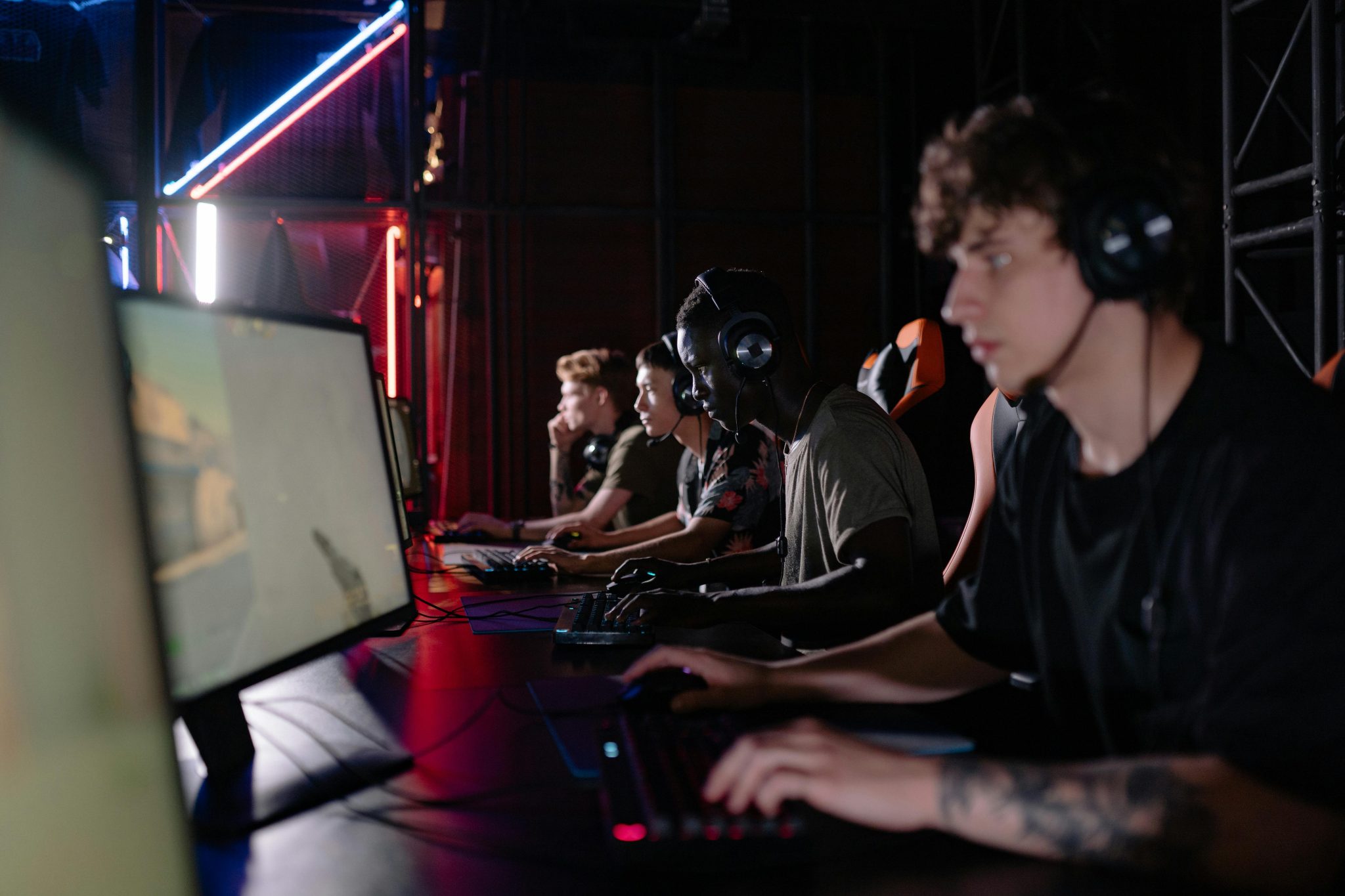
Swiss is having a moment across multiple competitions, and there’s a simple reason: it creates “earned” storylines. In Swiss, you can’t just get a lucky bracket and coast. You keep meeting teams with similar records, which usually means the matches are closer and the results are tighter. It also reduces the weirdness where one bad map sends a strong team home before they’ve even warmed up.
From a fan perspective, Swiss stages do two things really well. They generate enough matches for narratives to form, and they do it quickly. You see patterns. You see which teams can fix problems mid event. You see who panics when the pressure rises.
And then, once you move into playoffs (especially double elim), you get that second chance of drama without removing the consequences entirely. It’s a nice balance between fairness and chaos which is basically what esports is always trying to nail.
Mobile Esports Keeps Getting More Professional
It’s easy for people who mainly watch PC esports to underestimate how big mobile esports is globally. But the calendar and the structure in mobile gaming communities are getting cleaner every year, and that tends to pull in more sponsors, more org investment, and a growing audience.
A good example is how Mobile Legends: Bang Bang (MLBB) continues to build around regional leagues and global moments, with coverage mapping the season and events as a real circuit rather than randomly scattered tournaments.
The Easiest Way to Follow Esports Right Now
Early 2026 is giving us a pretty clear message: esports isn’t satisfied being “a bunch of tournaments.” It wants seasons and packed calendars. It wants events that feel like cultural moments, not just brackets.
If you want a world championship vibe right now, Six Invitational is the obvious pick because it’s a crown event with a clear identity and clear stakes.
If you want clean seasonal stories, VALORANT Kickoffs into Masters Santiago is a great runway, because it’s structured and the calendar makes it easy to follow.
If you want endurance esports with constant adaptation, Dota’s Dream League run is perfect.
That’s why this year already feels interesting. Not because every single tournament is the biggest thing ever, but because you can see the whole industry changing. If you’re a fan, it’s a good time to pay attention.