
The Australian property market is reaching a bit of a turning point. Gone are the days when the facade of a property was the key to selling it. The purchasers today are forward thinkers and want to look for properties that do not only look good on the cover but also work well for them.
There can be little question that there is a tremendous trend towards more functional, sustainable, and flexible spaces. There is an aspiration for a home that will function with an individual, providing comfort and the delicacy of a sanctuary in an untamed world..
How Buyer Priorities Are Shaping Home Designs in 2026
It’s no longer about the “wow factor”! It’s about how the house would look on a rainy Tuesday morning, or indeed any other morning of the week when work commitments may be busy. Today’s purchaser is looking beyond the current style dictum.
As Julie Evans Design notes in a recent report, there’s a real push for “conscious longevity”-homeowners choosing materials and layouts that will last decades, not just a season or two. Value-in every sense of the word-was key to making sure each square metre had purpose and contributed to overall quality of life.
Flexible Floorplans and Adaptable Space
The old idea of a “forever home” has re-emerged, albeit with a smarter look than before. With hybrid work here to stay, a thoughtful “flex room” concept has become an absolute necessity, rather than a desirable luxury item, as was previously true. Homebuyers are actively seeking out spaces that can adapt to different purposes, switching seamlessly from home office environments to guest rooms or teenage dens depending on the day of the week.
Tools such as our guide on understanding floor plans and personalization options enable them to visualize and customize spaces that fit their needs for future stages of life. Based on data from The House Plan Company, one of the most requested floor plan layouts is the split-bedroom design due to the need for balance in their life.
Warm, Characterful Interiors That Feel Like Home
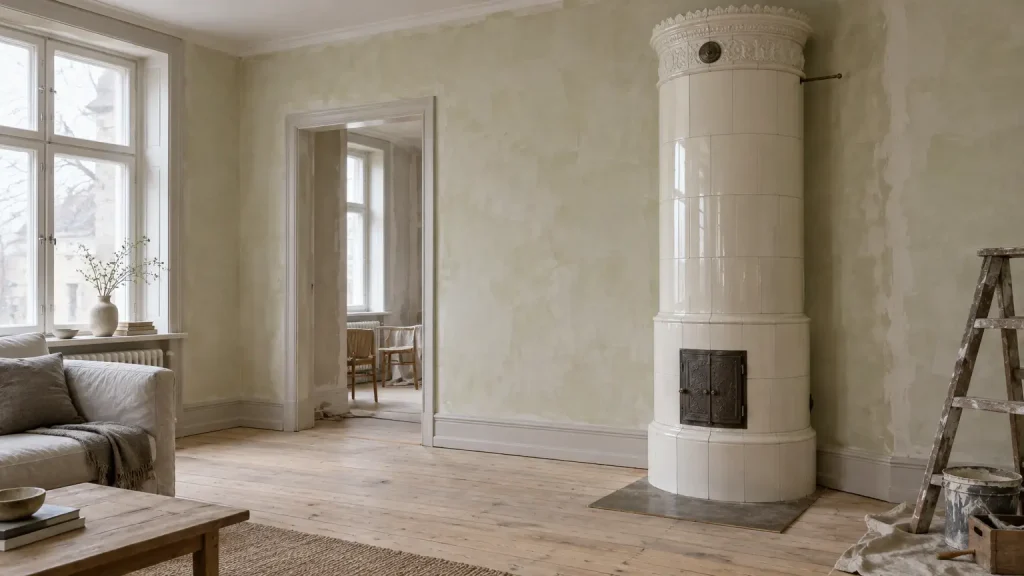
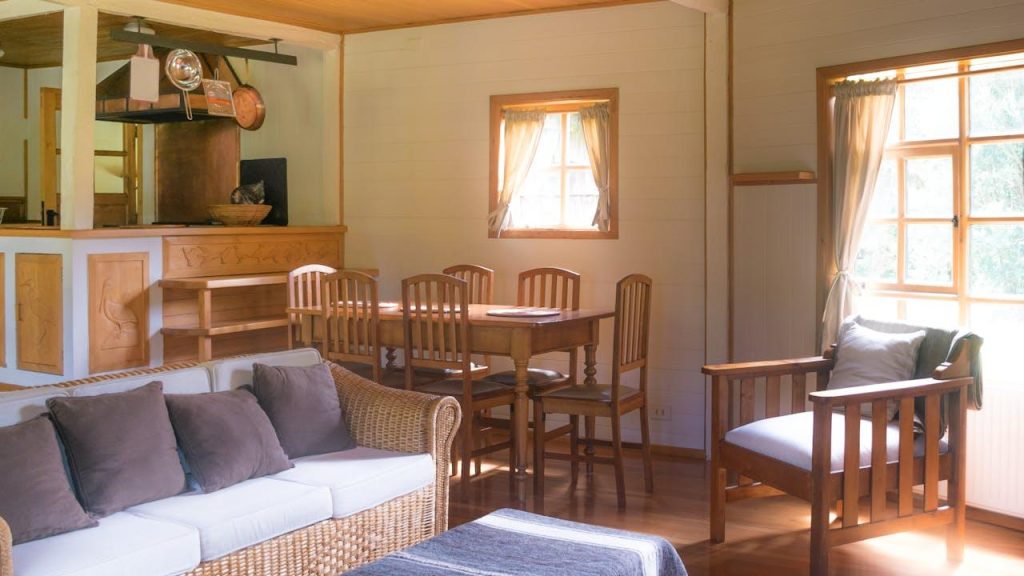
Gone are the official beginnings of the post-modern era of stark, clinical minimalism. For 2026, minimalism in color trend is all about warmth. As Ray White says, “Cool grays will give way to clay, sand, and mushroom hues, producing much softer and more welcoming spaces.”
It’s about bringing in natural materials like wood and stone to give earthiness to space. This is not about style, but rather a means to longevity. These materials will look gorgeous with age and offer you a space that won’t be out of style in five years, which is a big sell for people concerned about resale value.
Sustainable Design and Wellness Features
Sustainability is no longer an indulgent nicety, but a fundamental requirement. Data from the Green Building Council of Australia shows that we’re now building homes at scale that are net zero and achieving the results we would expect from building those high-star homes, which has become one of the defining factors for purchasers. In fact, it turns out, as demonstrated recently in a report from the NSW Government, that the correct design of the home could save the average family up to $1,700.
After the hip pocket, wellness features are arguably the second biggest drawcard for homeowners. Features such as “circadian lighting”-also known as light that mimics the effects of sunlight-and “air purification systems” are integrated into the very essence of a healthy home. Add to that the incorporation of “biophilic design”-taking the outdoors inside-and we have a haven for the mind as much as the planet.
Interior and Lifestyle Trends That Influence Buyer Choice
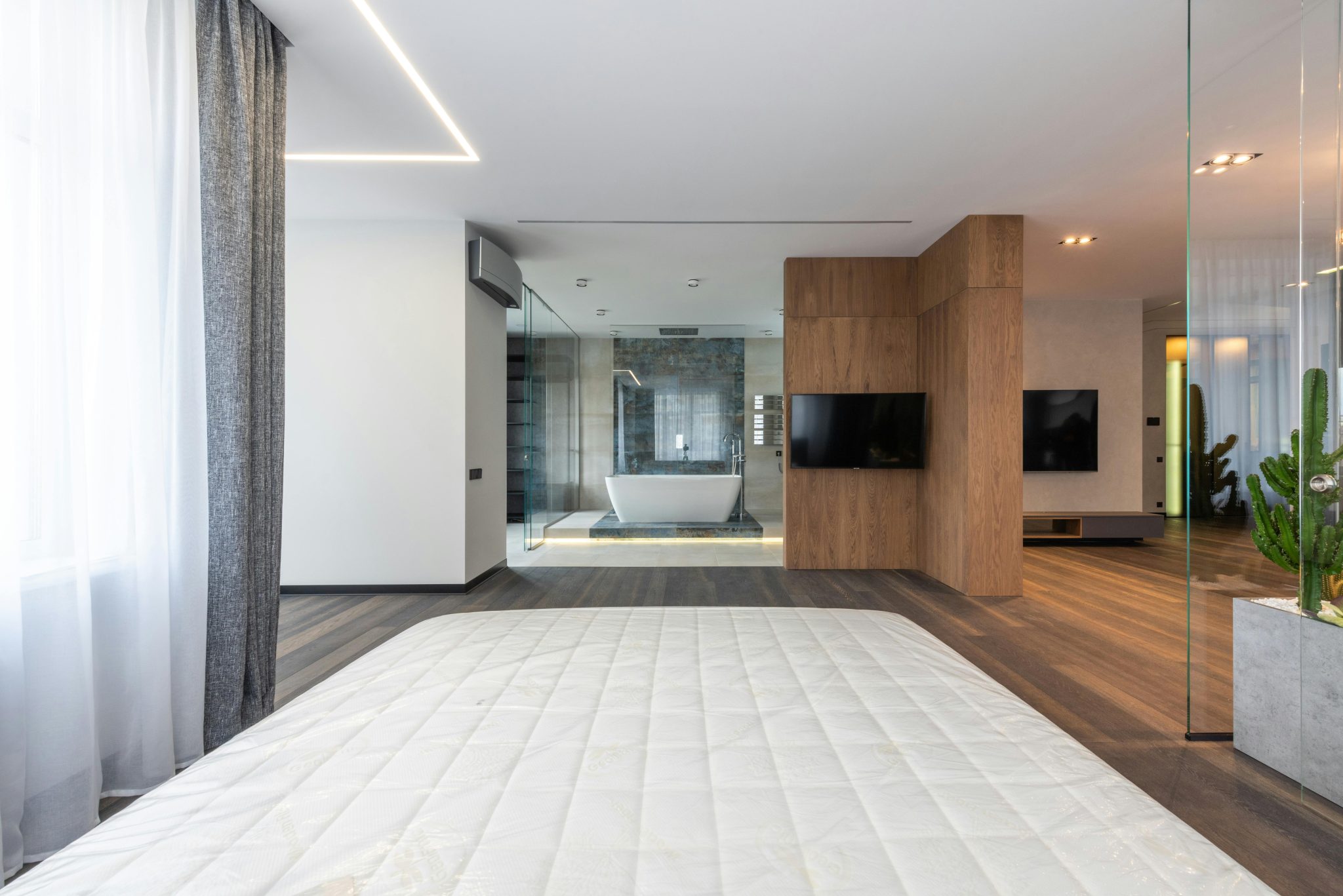
What’s desirable in 2026 tends to come down to details. There is a greater demand for curated rather than showroom-styled looks. This means integrated kitchen spaces designed with large islands, functioning as a central social area within the home, as well as resort-style primary bedrooms offering a sense of escape.
King Living reports that “deep soulful shades like indigo are being matched with soft, billowy whites, such as our very own Pantone Colour of the Year Cloud Dancer, to deliver spaces that feel both high-end and restorative.” It is all about creating a space that produces an environment that reflects one’s own identity while maintaining its appeal to a large crowd.
Why These Trends Matter for Long-Term Value and Satisfaction
At the end of the day, these are all investments in your future happiness. An energy-efficient home can save you a lot of money, while a flexible home can save you from having to move if family needs change. By building towards these trends in 2026, you’re not truly following a trend. You’re building a piece of property that will always be viable.
KPMG figures show that while demand is continuing to rise, the properties with true liveability and timeless design appeal are those which have long-term growth in value.
What to Look for in Home Designs Today (Buyer Checklist)
As you’re likely already in the market or perhaps starting your new build, consider these key essentials heading into the 2026 model year for your potential home designs:
- Adaptive Zones: Can it later be used as a nursery or a hobby room?
- Thermal Comfort: Double-glazing, smart shading devices, and high specification insulation.
- Natural Textures: Timber, stone, and textiles with tactility are favored over flat textiles.
- Smart Integration: The home should be wired to allow for the addition of new technology without any mess.
- Outdoor Connectivity: Look for opportunities for seamless transition to the outside space for year-long use.
Closing Thoughts: Future-Proofing Your Home Investment
Quite possibly, securing or constructing your home represents one of your biggest decisions ever. Paying attention to function, sustainability, and that human feel?
Well, that means that, as opposed to just choosing tiles, you are futuro-proofing your lifestyle. Whether you’re working with a builder or looking for new designs, try to work with people who understand that a great home is as resilient as it is beautiful.