
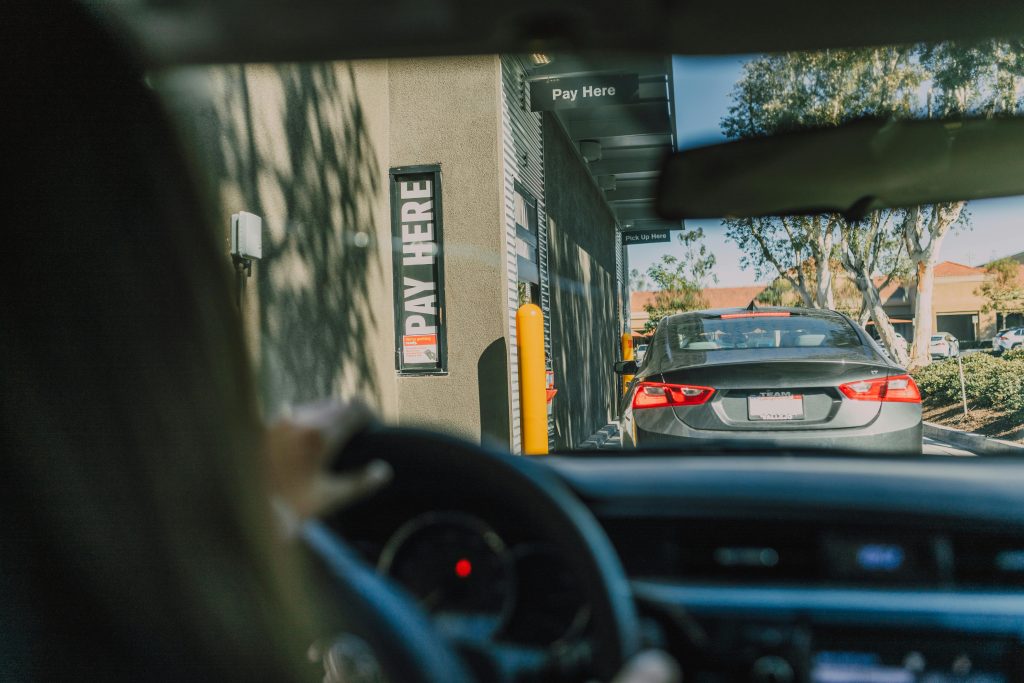
You’re running late, and the drive-thru bag is right there. So you do the thing: one hand on the wheel, the other on a burger, trying not to spill a drink while traffic keeps moving. It feels minor, but eating while driving pulls attention in three ways: your eyes glance down, a hand leaves the wheel, and your brain shifts to managing the food. That’s usually fine… right up until something unexpected happens. If things go wrong, you might find yourself needing trusted counsel for injuries caused by driver inattention to navigate the legal mess that follows. Taking your eyes off the pavement for even a few seconds to catch a falling French fry can change your life forever.
The Myth of the Harmless Snack
Most people realize that texting while driving is a recipe for disaster. We have seen the PSA commercials and the wrecked cars on the news. However, for some reason, eating a taco or a slice of pizza while driving sixty miles per hour does not carry the same social stigma. In reality, the physical mechanics are surprisingly similar. When you text, your eyes are on a screen, and one hand is occupied. When you eat a messy meal, your eyes are looking down at the wrapper, and your hand is busy holding your food.
The brain is not capable of multitasking; it switches focus back and forth very quickly. When you are chewing, swallowing, and trying not to spill sauce on your shirt, your cognitive load is split. That split second of distraction is all it takes for the car in front of you to slam on its brakes. By the time you drop your food and grab the wheel, it is often too late to avoid an impact.
Physical and Cognitive Interference

Safety experts often categorize distraction into three types: visual, manual, and cognitive. Eating hits all three. You look down to find the fries, you steer one-handed, and you’re thinking about not dropping sauce on your lap instead of what the car ahead is doing.
Cognitively, your mind is focused on the sensory experience of eating rather than the changing traffic patterns around you. If you spill a hot beverage or drop a piece of food in your lap, your natural human instinct is to react to the mess immediately. This involuntary “startle response” causes drivers to jerk the steering wheel or let their foot slip off the brake. In that moment, the vehicle becomes an unguided projectile.
Why It Is Just as Bad as Texting
Research has shown that distracted driving is distracted driving, regardless of what is causing it. Some studies suggest that the delay in reaction time caused by eating can be just as significant as the delay caused by sending a text message. Think about the steps involved in eating a burger: you have to unwrap it, hold it, navigate the toppings, and manage the napkins. This is a prolonged period of physical and mental engagement that is entirely unrelated to driving.
While a text might take five seconds to read, a meal can take ten or fifteen minutes to finish. That is a massive window of time where your defensive driving skills are compromised. If a pedestrian steps into the street or a light turns red, a driver who is preoccupied with a meal will have a much slower braking response than someone who is focused. The result is often a high-speed collision that could have been entirely avoided.
The Legal and Financial Consequences
Beyond the physical danger, there is the matter of liability. If you cause an accident because you were distracted by your lunch, you could be held legally responsible for the damages. Law enforcement officers are becoming increasingly aware of “secondary” distractions. Even if there is no specific law against eating a sandwich, you can still be cited for reckless driving or failure to maintain a lane.
Insurance companies are also less than sympathetic. If it is proven that you were eating at the time of the crash, your rates will likely skyrocket, and you could face personal injury lawsuits from other victims. Saving ten minutes by eating on the go is never worth the thousands of dollars in legal fees and medical bills that follow a serious wreck.
Final Thoughts: Choosing Safety Over Convenience
If you’re hungry, pull into a parking lot and take a few minutes. You’ll actually enjoy the food, and you’ll keep both hands available for the moments you don’t see coming. And if you’ve been in a crash where distraction is being alleged, consider getting advice from a qualified attorney in your state about what evidence and deadlines matter. If you have been involved in a collision, seeking out trusted counsel for injuries caused by driver inattention can help you understand your rights and the following steps to take. Put the food down, keep your hands on the wheel, and stay focused on the road ahead.