
Some performances lose attention quickly, even when the talent is clear and the production is solid. People sit through them, but their minds wander. Other shows manage to keep the room focused without leaning on big moments or obvious tricks. Most people have felt that difference before, even if they wouldn’t know how to put it into words.
In Pigeon Forge, that contrast stands out more. There’s a wide mix of entertainment, and audiences move between options quickly. Comparisons happen naturally. A show isn’t weighed against silence, but against what else could have filled the evening. That reality has pushed live performances to focus more on pacing, audience awareness, and flow, rather than size or volume alone.
This article explains why high-energy live performances are worth the time.
Energy Isn’t Volume, It’s Awareness
High-energy theater doesn’t rely on being loud. It relies on attentiveness. Performers adjust timing and delivery based on what’s happening in the room. They slow down when reactions linger and move forward when attention is ready. That balance creates steady momentum. Audiences sense this responsiveness, even if they don’t consciously track it, and it helps keep their attention engaged throughout the performance.
Unique, Enjoyable Experiences
In destinations built around entertainment, audiences develop a quiet filter. They know when a show is just filling time versus when it’s actually worth planning an evening around. What tends to stand out are experiences that feel intentional, where the pacing is thoughtful, and the performers seem tuned in to the room instead of running on autopilot. These shows don’t try to impress through scale. They focus on comfort, rhythm, and making the audience feel welcome rather than overwhelmed.
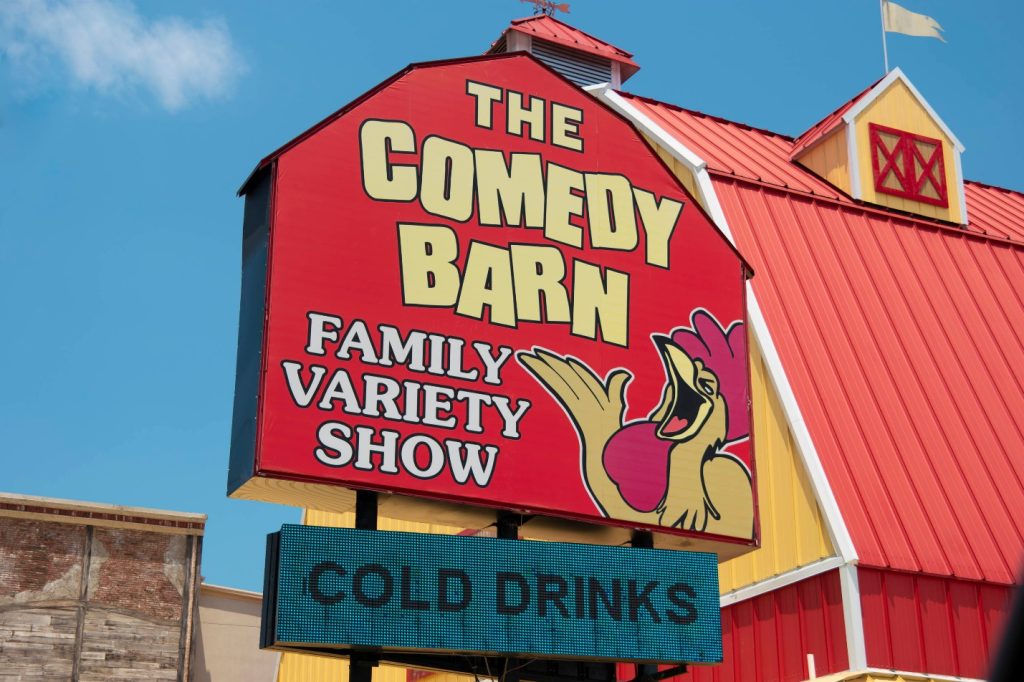
When we talk about fun activities in Pigeon Forge, the Comedy Barn Theater show is a must-watch. This comedy show offers clean, family-friendly variety entertainment. It’s packed with jokes, magicians, jugglers, ventriloquists, live music, and even trained animals, keeping audiences of all ages laughing and engaged throughout the show. That’s what makes live theater performances such a catch. When a performance leaves people relaxed, engaged, and feeling like the evening flowed naturally, it becomes an experience they remember and recommend without thinking much about why.
Audience Participation Changes the Dynamic
When an audience sits quietly and simply watches, the responsibility stays on the stage the entire time. Performers deliver material, hit their marks, and move forward whether the room reacts or not. That approach can work, but it creates distance. Attention fades slowly. Responses get quieter. The show continues, yet it begins to feel like something being delivered rather than shared.
When participation is woven in more gently, that distance narrows. The audience isn’t asked to do anything obvious. No calling out. No forced moments. Often it comes down to timing. A pause that allows laughter to finish instead of cutting it short. A brief acknowledgment of a reaction before moving on. These small choices shift the balance.
Nothing looks different on the surface. People stay seated. The structure stays intact. But the room feels more engaged. Reactions become part of the rhythm. Performers adjust slightly, the audience follows, and the experience stays connected instead of drifting.
Consistency Builds Trust
None of this works without structure underneath. High-energy shows still depend on repetition, rehearsal, and discipline. Cues are set for a reason. Transitions are practiced until they hold under pressure. Performers know where they are in the show, even when a moment stretches longer than expected.
That consistency creates trust. When the audience senses control, they relax. They don’t worry about where the show is going or whether it will lose momentum. They settle in and let reactions come naturally. Laughter lasts longer. Attention stays steady.
Without that structure, energy becomes unstable. Small surprises feel accidental instead of intentional. With it, even unexpected reactions fit into the larger flow of the performance.
Timing Matters More Than Content
You can see the same material performed by different groups and walk away with completely different impressions. It isn’t usually the writing that changes. It’s how long moments are allowed to sit before the next one arrives. Timing, more than speed, shapes how a show feels in real time.
Good timing leaves room without losing control. Silence is used carefully, not avoided. Performers watch the room and adjust without making it obvious. A laugh that fills a packed house might linger. That same pause in a quieter crowd can feel heavy and needs to be shortened. These adjustments happen constantly, often without discussion.
Most people never notice this work directly. They just feel that the show moves naturally. Nothing drags. Nothing feels rushed. The pace holds attention because it matches the room, not because it follows a fixed plan. That balance is what keeps an audience engaged from start to finish.
The Room Is Part of the Performance
Theaters that host high-energy shows are often designed with visibility and sound in mind. Sightlines are clear. Acoustics support natural voices. Seating encourages shared reaction instead of isolation.
These details shape how energy moves. When people can see each other reacting, laughter spreads. When sound carries evenly, timing stays sharp. The room becomes part of the experience instead of a container for it. This is why the same performance can feel different in different spaces. Energy isn’t just created on stage. It’s supported by the environment.
Performers Carry the Pace
High-energy theater asks more of performers. It requires stamina, focus, and adaptability. There’s little room to coast. Every entrance, every transition, every response has to stay sharp. This doesn’t mean performers are rushing. It means they’re present. Attention stays on the room, not just the script. That presence keeps the pace steady without feeling forced.
Audiences respond to that focus instinctively. Even people who don’t consider themselves theater fans tend to stay engaged when performers are clearly invested.
Repetition Without Staleness
Shows that run regularly face a unique challenge. Material stays the same, but audiences change. High-energy performances survive repetition by treating each crowd as new. Performers reset nightly. They listen differently. They react instead of reciting. That approach keeps the show from feeling worn down over time. Audiences sense when a performance is being delivered versus lived through. The latter always carries more energy, even if the material is familiar.
High-energy theater leaves an impression because it pulls people into the same moment. Reactions spread across the room. Attention stays shared. Nothing is replayed or paused. When timing and awareness line up, the experience carries itself, and people remember how it felt long after they leave.