
Medication therapy management helps patients achieve better outcomes related to their health. With new digital tools, clinical teams can coordinate patient care more easily and efficiently. Technology assists safe medication use and communication. In this post, we will discuss how this innovation emerges as a solution to medication therapy management challenges.
Digital Platforms Improve Communication
Communication among the healthcare providers is very critical to patient safety. Through medication therapy management software, medication-related information can be shared easily and at the right time. Such systems minimize the risk of mistakes and keep all team members up to date with the delivery of patient care. Updates in real time can lead to more collaborative and coordinated care.
Medication Tracking Applications Increase Adherence
Many patients struggle to stick with their prescribed treatments. Medicine tracking apps provide reminders and alerts to assist patients in adhering to their medication regimens. These also alert caregivers and care teams about missed doses. Better adherence decreases the need for hospital visits and aids in achieving full treatment success.
Aids in Clinical Judgement
These tools leverage patient data to recommend the best medication plans with the lowest risks. These programs look for allergies, interactions, and previous experience. Evidence-based recommendations are delivered to healthcare professionals, leading to safer prescribing. With these resources, teams can tailor therapy to each person.
Automated Dispensing Systems Improve Safety
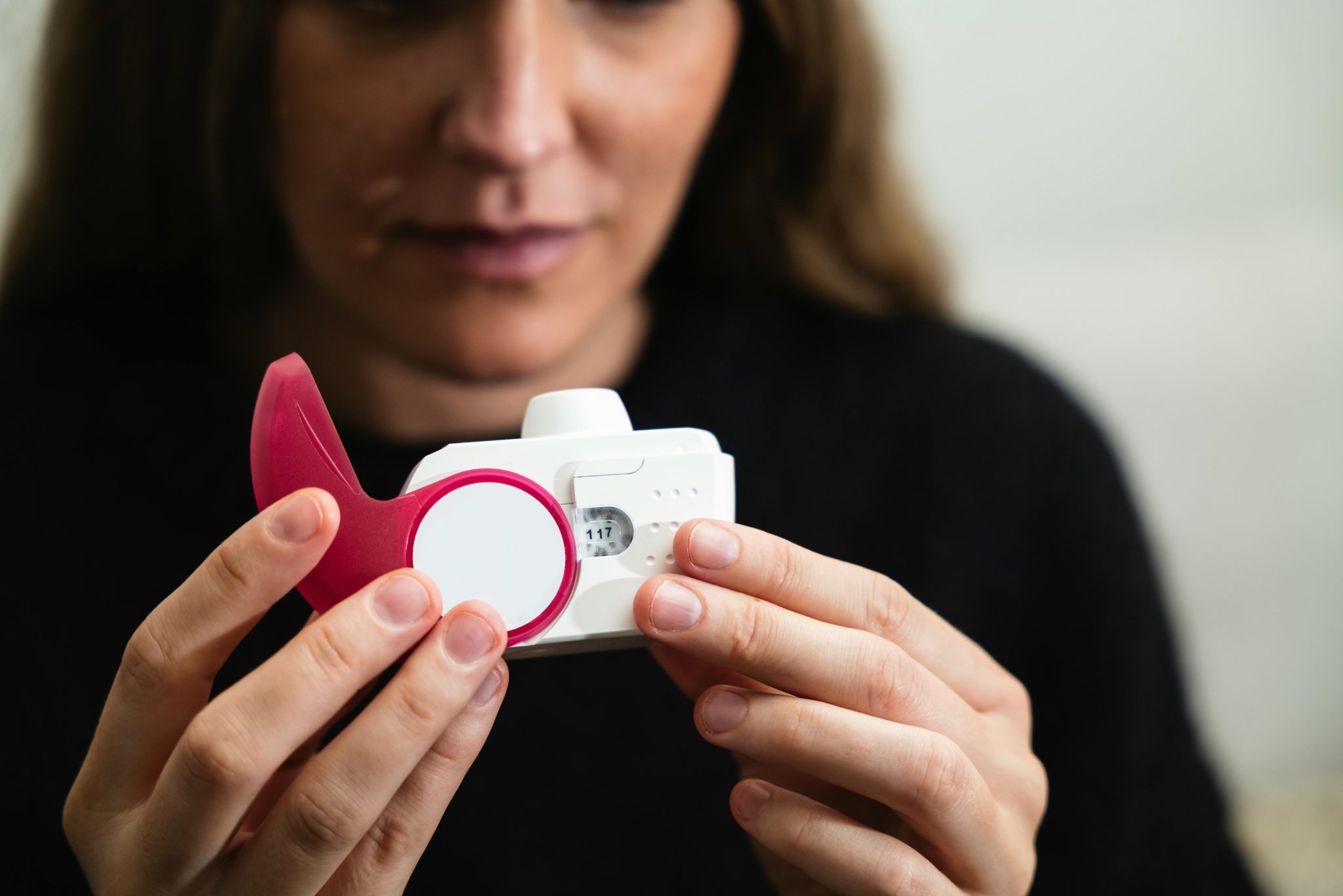
Automated dispensing systems dispense the appropriate medication at the appropriate time. These solutions decrease human intervention, thereby reducing the chance of errors in the preparation and administration stages. Safety is further bolstered by clear labeling and verification steps.
Telehealth Expands Access to Expertise
Telehealth platforms link patients with professionals wherever they are. These tools allow for virtual consultations for medication therapy management. This helps people with mobility issues or people living in remote places. Ongoing monitoring and follow-up are also supported through remote sessions.
Integrated Analytics Monitor Outcomes
Analytics tools gather and analyze data relating to patients’ reactions to therapy. These systems identify the areas that require attention by evaluating trends. Analytics provide insights to fine-tune medication strategies and modify treatments when needed. This is why constant monitoring keeps therapy safe and effective for every patient.
Secure Messaging Protects Patient Privacy
Private communication between care teams is critical. In-built messaging services also provide a secure way to exchange confidential data. Encryption and authentication within these systems restrict access to authorized personnel only. Privacy protection fosters trust among patients in their treatment and healthcare providers.
Mobile Solutions Empower Patients
Mobile solutions have enabled patients to access key information on their devices. They provide dose calendars, refill notifications, and homework. This allows patients to closely monitor their progress and voice any concerns directly to the care teams. Individuals who feel empowered are more likely to engage in their treatment.
Cloud-Based Systems Simplify Coordination
Cloud-based systems keep all records of the medication and facilitate access to authorized users from any location. They enable collaboration between pharmacies, clinics, and hospitals to work together seamlessly. Having centralized information prevents duplicacy and everyone works with the latest information.
Artificial Intelligence Supports Personalized Care
AI parses through huge amounts of data and identifies patterns in the way patients respond. Using predictive analytics, these systems are used to recommend therapy modifications. Providers get the insight that allows them to forecast problems before they happen. This personalized approach is the key to better health.
Patient Portals Foster Engagement

Patient portals provide individuals with direct access to their health information. Each of these online portals enables users to see medicine lists, upcoming appointments, and lab results. Patients who understand their therapy are more adherent to recommendations. More informed engagement translates into greater satisfaction and health outcomes.
Remote Monitoring Devices Track Progress
Remote monitoring devices are used to obtain information about a patient, such as vital signs and response to medications. They send messages to providers who can take immediate action if things go wrong. This early identification of issues helps in avoiding complications. Therapies can be adjusted in real-time based on ongoing tracking.
Conclusion
There are many ways technology facilitates structured medication therapy management; from digital platforms to remote monitoring, it offers many features. These solutions assist professionals in delivering safer and more effective care. The software also allows for better communication and a more active role in patient care. Technology will become an integral part of the evolution of medication therapy management as healthcare continues to move forward.