

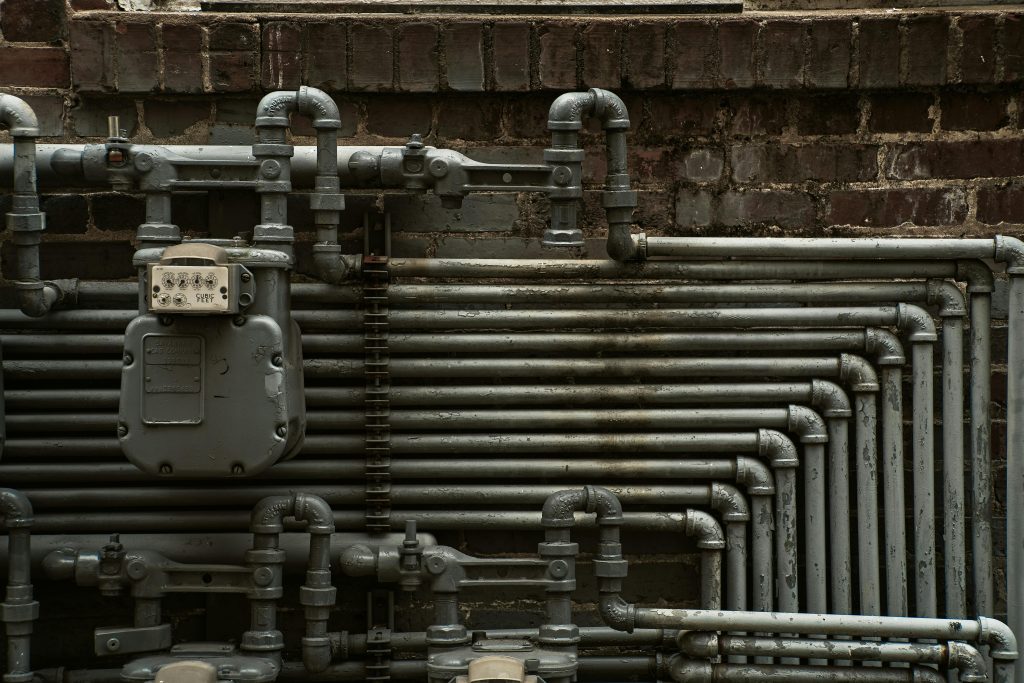
Pipe failure rarely starts with dramatic flooding or loud cracks inside a home. Small changes appear first and signal stress within hidden systems. Many residents dismiss minor issues due to daily habits and busy schedules. Pipes remain out of sight behind walls, floors, and foundations. Heat and dry soil place constant pressure on local plumbing lines. Early signs give homeowners time to act with care. Delay allows damage to spread through structural surfaces. Awareness protects comfort, safety, and property value.
Homes in Phoenix face added strain due to the climate and mineral-heavy water. Expansion and contraction affect joints year after year. Subtle changes deserve prompt attention instead of delay. Plumbing repair in Phoenix, AZ, becomes essential when signs repeat or worsen. Waiting raises repair costs and expands damage zones. Quick action limits disruption to daily life. Informed residents respond with clarity during emergencies. The sections below explain clear warning signs to watch for.
Sudden Drop in Water Pressure
A noticeable drop in water pressure points toward internal pipe trouble. Faucets may release a weak stream without any valve changes. Showers lose force during normal use across the home. Pressure loss may result from cracks or internal blockages. Hidden leaks reduce flow long before damage appears. When several fixtures show changes, risk levels rise. Continued use places stress on joints and seals. Early inspection helps restore balance and prevent larger failures.
Unusual Stains on Walls or Ceilings
Discolored spots on walls or ceilings suggest moisture from failing pipes. Yellow or brown patches appear without spills or surface damage. Ceiling marks point to leaks from upper floors or attic lines. Drywall absorbs water and weakens over time. Paint near plumbing paths may bubble or peel. Mold may follow prolonged exposure to damp areas. Structural materials suffer as moisture spreads unseen. Prompt review limits damage across connected surfaces.
Persistent Sounds Inside Walls
Sounds from pipes without active water use require attention. Tapping may signal loose fittings or pressure shifts. Hissing sounds suggest water escaping through small cracks. Wall noise during quiet hours feels alarming for residents. These sounds rarely stop without proper repair steps. Pipe movement increases strain on nearby connections. Delay allows minor issues to grow into failures. Early checks protect system integrity and peace of mind.
Rising Water Bills Without a Clear Reason
Unexpected increases in water bills suggest hidden leaks. Household habits may stay the same month to month. Small drips release a steady water volume each day. Billing statements help reveal sudden changes in cost. Underground leaks stay hidden longer than indoor ones. Higher charges reflect wasted supply and added strain. Fast action saves money and resources. Investigation prevents further loss and damage.
Rusty or Discolored Tap Water
Changes in water color reveal trouble inside pipes. Brown or red tones indicate corrosion of metal lines. Corrosion weakens pipe walls and raises leak risk. Taste and smell may shift alongside discoloration. Fixtures collect stains after repeated use. Pipe lifespan shortens as corrosion spreads. Plumbing repair in Phoenix, AZ, helps restore safe water flow. Clear water signals healthier pipe conditions.
Damp Floors or Soft Surface Areas
Moist floors without spills suggest leaks below the surfaces. Tile grout may darken near hidden moisture. Wood floors warp or soften as water spreads. The carpet feels damp in isolated sections of a room. Moisture beneath floors encourages mold growth. Structural layers lose strength with prolonged exposure. Quick response limits flooring replacement needs. Inspection confirms the source before damage expands.
Slow Drainage Across Multiple Fixtures
Slow drainage across several fixtures signals trouble within the main pipes. Sinks may hold water longer than usual after use. Tubs and showers show delayed clearance without visible clogs. Toilets may refill more slowly than normal between flushes. Shared drainage issues point to deeper blockages or pipe damage. Pressure builds behind restrictions and stresses joints. Surface fixes fail to solve system-wide concerns. Early evaluation prevents backups and interior water damage.
Foul Odors Near Drains or Walls
Unpleasant smells near drains or walls indicate pipe failure. Sewer-like odors suggest breaks or dried traps. Smells may appear even when fixtures sit unused. Wall cavities trap odors from leaking waste lines. Air movement spreads smells through rooms quickly. These signals point toward health and sanitation risks. Odor persistence shows a need for professional review. Fast response restores indoor comfort and safety.
Pipe warning signs should never face neglect in Phoenix homes. Climate and soil conditions add constant stress to plumbing systems. Minor signals point toward larger risks ahead. Visual marks, sounds, and billing changes serve as alerts. Prompt action reduces property damage and repair expenses. Professional assessment provides clear answers and effective solutions. Residents who act early protect long-term value. Awareness supports safe and reliable home living.