

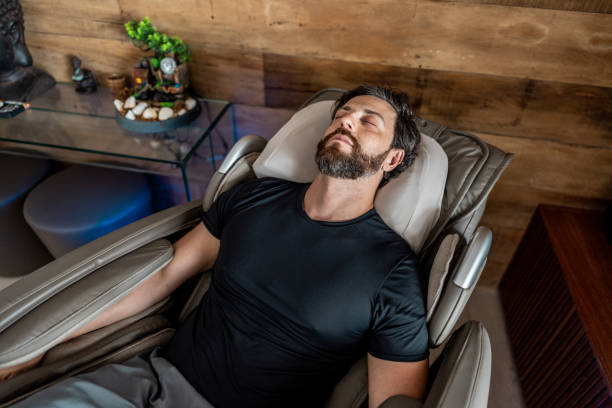
Premium massage chairs support nervous system recovery by engaging the parasympathetic response, lowering cortisol levels, and improving heart rate variability to mitigate daily stress and correct difficulty sleeping.
Summary
- Cortisol Regulation: Advanced massage therapy significantly lowers stress hormones, allowing the body to exit “fight or flight” mode.
- Sleep Architecture: Establishing a pre-sleep massage ritual enhances delta wave production for restorative rest.
- Autonomic Balance: Features like Zero Gravity and 4D roller massage stimulate the vagus nerve to restore equilibrium.
- Long-term Resilience: Consistent massage improves Heart Rate Variability (HRV), a key indicator of overall health and stress resilience.
Modern life imposes a relentless demand on our physiology. For high-achieving individuals, the accumulation of daily stress is not merely a mental burden; it is a physical load carried by the nervous system. When the body remains in a state of hyper-arousal, the ability to rest diminishes, leading to chronic difficulty sleeping and reduced cognitive performance.
While often viewed as a luxury, high-end massage chairs function as sophisticated wellness tools designed to interrupt this cycle of stress. By blending ergonomic precision with advanced tactile stimulation, these chairs offer a direct pathway to nervous system recovery. This article explores the physiological mechanisms behind how automated massage therapy restores balance to your body and mind.
The Physiology of Stress: Understanding the Sympathetic Dominance
To understand how a massage chair aids recovery, one must first understand the autonomic nervous system (ANS). The ANS acts as the control center for your body’s unconscious functions, including heart rate, digestion, and respiratory rate. It operates through two primary branches:
1. The Sympathetic Nervous System (SNS): Often called the “fight or flight” system. It primes the body for action by releasing adrenaline and cortisol.
2. The Parasympathetic Nervous System (PNS): Known as the “rest and digest” system. It lowers heart rate and facilitates healing.
In an ideal scenario, these systems exist in a dynamic balance. However, the pressures of modern professional and personal life keep most individuals locked in sympathetic dominance. This state of chronic low-grade stress prevents the body from performing essential maintenance.
The Cortisol Cascade
When the sympathetic system is overactive, the body maintains elevated levels of cortisol. While useful for short bursts of energy, chronic cortisol exposure is corrosive. It degrades muscle tissue, increases blood pressure, and specifically targets the brain’s sleep centers.
High cortisol levels are the primary antagonist to melatonin, the hormone responsible for sleep onset. If your nervous system cannot down-regulate cortisol in the evening, difficulty sleeping becomes inevitable. This is where the tactical intervention of a premium massage chair becomes a medical asset rather than a mere comfort.
How Massage Chairs Induce Nervous System Recovery
Recovery is not passive; it requires specific physiological triggers to shift the body from sympathetic to parasympathetic control. Quality massage chairs are engineered to mimic the specific tactile inputs that signal safety to the brain.
Stimulating the Vagus Nerve
The vagus nerve is the longest cranial nerve in the body and the primary driver of the parasympathetic nervous system. It wanders from the brainstem through the neck and down to the abdomen. Stimulation of this nerve acts as a “brake” on stress.
Premium massage chairs target the vagus nerve through specific modalities:
- Neck and Shoulder Kneading: Tension in the cervical spine often impinges on nerve function. Precision 3D and 4D rollers apply targeted pressure to the sub-occipital muscles, physically signaling the vagus nerve to lower heart rate.
- Rhythmic Compression: The air cells in a high-end chair do not just squeeze; they compress in rhythmic sequences. This mimics the biological rhythms of a resting body, entraining the nervous system to slow down.
“The goal of ergonomic wellness technology is not just muscle relief, but the restoration of homeostasis. By mechanically reducing somatic tension, we send a biological signal to the brain that the threat has passed, allowing deep recovery to begin.”
Proprioceptive Input and Grounding
Anxiety and stress often result in a feeling of being “unmoored.” Full-body air compression provides deep pressure stimulation, similar to a weighted blanket but more dynamic. This increases proprioception—the body’s awareness of its position in space.
Enhanced proprioceptive input lowers nervous system arousal. It provides a sense of containment and safety, which is a prerequisite for the body to drop its defenses and enter a state of recovery.
The Role of Zero Gravity in Stress Relief
One of the most profound features for nervous system recovery is the Zero Gravity position. Inspired by NASA posture protocols, this recline position elevates the knees slightly above the heart.
While often touted for back pain relief, its impact on daily stress is cardiovascular. In an upright or flat position, the heart must work against gravity to pump blood. In Zero Gravity, venous return to the heart is effortless.
Hemodynamic Unloading
When the heart works less, the sympathetic nervous system lowers its firing rate. This hemodynamic unloading allows for:
- Reduced Blood Pressure: A natural drop in systemic pressure.
- Oxygenation: Increased blood oxygen levels reach the brain and extremities.
- Decompression: The spine elongates, removing physical stressors that constantly trigger pain receptors.
By physically placing the body in a state of least resistance, the chair creates a physiologic environment where recovery is the only option.
Addressing Difficulty Sleeping with Massage Therapy
Sleep is the ultimate form of nervous system recovery. However, “trying” to sleep is often counterproductive. Sleep must ensue naturally as the body transitions into a lower energetic state.
The Thermoregulation Factor
Many luxury massage chairs utilize infrared heating elements in the lumbar region, legs, and rollers. Heat causes vasodilation (widening of blood vessels). As the core body temperature rises slightly and then drops post-massage, it mimics the natural circadian temperature dip that signals the brain it is time to sleep.
From Beta to Alpha/Theta Brainwaves
During a high-stress day, the brain operates in Beta waves (alert, logical, anxious). A 20-minute session in a massage chair helps shift brainwave activity into Alpha (relaxed alertness) and eventually Theta (deep meditation/drowsiness).
This transition is crucial for those struggling with insomnia. Using a massage chair as a pre-sleep ritual bridges the gap between a chaotic day and restful slumber.
According to the Mayo Clinic, massage is an effective treatment for reducing stress, pain, and muscle tension, all of which are barriers to quality sleep.
Comparative Analysis: Standard vs. Premium Recovery Technology
Not all massage chairs are capable of genuine nervous system regulation. Entry-level models often provide simple agitation, which can sometimes increase sympathetic arousal if it is too aggressive or erratic.
| Feature | Entry-Level Massage Chair | Premium Massage Chair | Impact on Nervous System |
|---|---|---|---|
| **Roller Movement** | 2D (Up/Down) | 4D (Variable Speed/Depth) | 4D mimics human organic rhythm, preventing “guarding” (tensing against pain). |
| **Air Compression** | Squeeze/Release | Sequential/Pulsed | Sequential compression aids lymphatic drainage and calms the autonomic system. |
| **Recline** | Basic Recline | Zero Gravity | Zero Gravity lowers heart rate and blood pressure significantly. |
| **Sensors** | None/Basic | Body Scan & Biofeedback | Customizes pressure to avoid over-stimulation, ensuring safety and relaxation. |
| **Heating** | Surface only | Deep Ceramic/Infrared | Deep heat triggers parasympathetic vasodilation. |
Correcting Postural Stress
Daily stress is often somaticized—meaning it is stored physically in the body. The “tech neck” hunch and rounded shoulders associated with office work are not just bad posture; they are stress postures.
This forward-head posture compresses the chest cavity, restricting diaphragm movement. Shallow breathing signals the brain that the body is under duress, perpetuating the stress cycle.
High-end massage chairs, utilize specific stretching programs to open the pectoral muscles and extend the spine. By mechanically correcting posture, the chair allows for deeper diaphragmatic breathing. Deep breathing is the fastest manual “switch” to activate the parasympathetic nervous system.
The Biochemistry of Relaxation
Beyond the structural mechanics, massage therapy influences the body’s chemical landscape.
Boosting Serotonin and Dopamine
Research suggests that massage therapy can increase serotonin and dopamine levels by up to 30%. These neurotransmitters are essential for mood regulation. Deficiencies in these chemicals are directly linked to anxiety and depression.
Reducing Substance P
Substance P is a neurotransmitter associated with the transmission of pain signals. Chronic stress often heightens pain sensitivity. Massage therapy reduces Substance P, thereby raising the pain threshold and reducing the overall “noise” the nervous system must process.
For further reading on the physiological effects of massage on stress hormones, reliable data can be found through the National Institutes of Health (NIH).
Building Resilience: The Cumulative Effect
The benefits of utilizing a massage chair for nervous system recovery are cumulative. Much like exercise builds muscle, consistent relaxation “trains” the nervous system to return to baseline more efficiently.
Improving Heart Rate Variability (HRV)
HRV is the variation in time between each heartbeat. Contrary to popular belief, a highly consistent heartbeat is a sign of stress. A high variability indicates a responsive, flexible nervous system capable of adapting to stressors.
Regular use of massage chairs has been shown to improve HRV. This means that over time, you do not just recover from stress; you become more resilient to it. The daily stressors that once kept you awake at night lose their physiological grip.
Frequently Asked Questions
Can massage chairs really help with nervous system recovery?
Yes. By stimulating the vagus nerve, reducing cortisol, and increasing circulation, premium massage chairs physically shift the body from a sympathetic (stress) state to a parasympathetic (recovery) state.
How often should I use a massage chair for stress relief?
For nervous system regulation, consistency is more important than duration. A daily 15 to 20-minute session, preferably in the evening, is optimal for lowering cortisol levels before sleep.
Do massage chairs help you sleep better?
Absolutely. By alleviating physical tension, regulating body temperature, and promoting the release of serotonin (a precursor to melatonin), massage chairs address the root physiological causes of difficulty sleeping.
Is deep tissue massage better for stress than gentle massage?
Not necessarily. For nervous system recovery, “painful” deep tissue work can sometimes trigger a stress response. High-end chairs with variable 4D intensity allow you to find the “Goldilocks” pressure—deep enough to release tension, but rhythmic enough to soothe the nerves.
Can a massage chair help with anxiety?
While not a cure for medical anxiety disorders, massage chairs significantly reduce the somatic symptoms of anxiety, such as muscle guarding, shallow breathing, and rapid heart rate, providing immediate physical relief.
Conclusion
The pursuit of health often focuses on diet and exercise, yet the recovery of the nervous system is frequently overlooked. In a world defined by constant connectivity and high performance, the ability to reset is the ultimate competitive advantage.
Struggling with sleep and daily stress is a sign that the body’s load has exceeded its recovery capacity. A premium massage chair offers more than luxury; it offers a scientifically valid intervention to restore physiological balance. By investing in this technology, you are investing in the longevity of your nervous system and the quality of your waking life.