Live music looks effortless from the crowd. Lights rise. Sound hits clean. The band walks on cue. Behind that smooth surface sits a dense layer of technology. Modern tours now run on software, networks, and data in the same way they once relied on trucks and roadies. Companies like IT GOAT support this hidden layer by keeping systems stable, secure, and ready for pressure. Without reliable IT, even the best show can fall apart.
Today’s touring industry blends art with infrastructure. Every concert depends on planning tools, live systems, and real-time coordination. Technology no longer supports touring. It drives it.
From Paper Schedules To Real-Time Systems
Tour Planning In The Digital Age
Tour planning once meant binders and spreadsheets. Now it runs through cloud platforms. Managers track routes, venues, crew, and gear in shared systems. Updates sync instantly across time zones. If a venue changes load-in time, everyone sees it at once.
These tools act like air traffic control for tours. They prevent collisions between travel, setup, and performance. They also reduce human error, which remains the biggest risk on the road.
Budgeting And Cost Control
Tour budgets update in real time. Fuel costs, crew overtime, and venue fees flow into dashboards. Managers spot problems early instead of after the tour ends. This shift keeps tours profitable in an industry with thin margins.
Sound, Light, And Stage: Controlled By Software
Digital Audio And Networked Sound
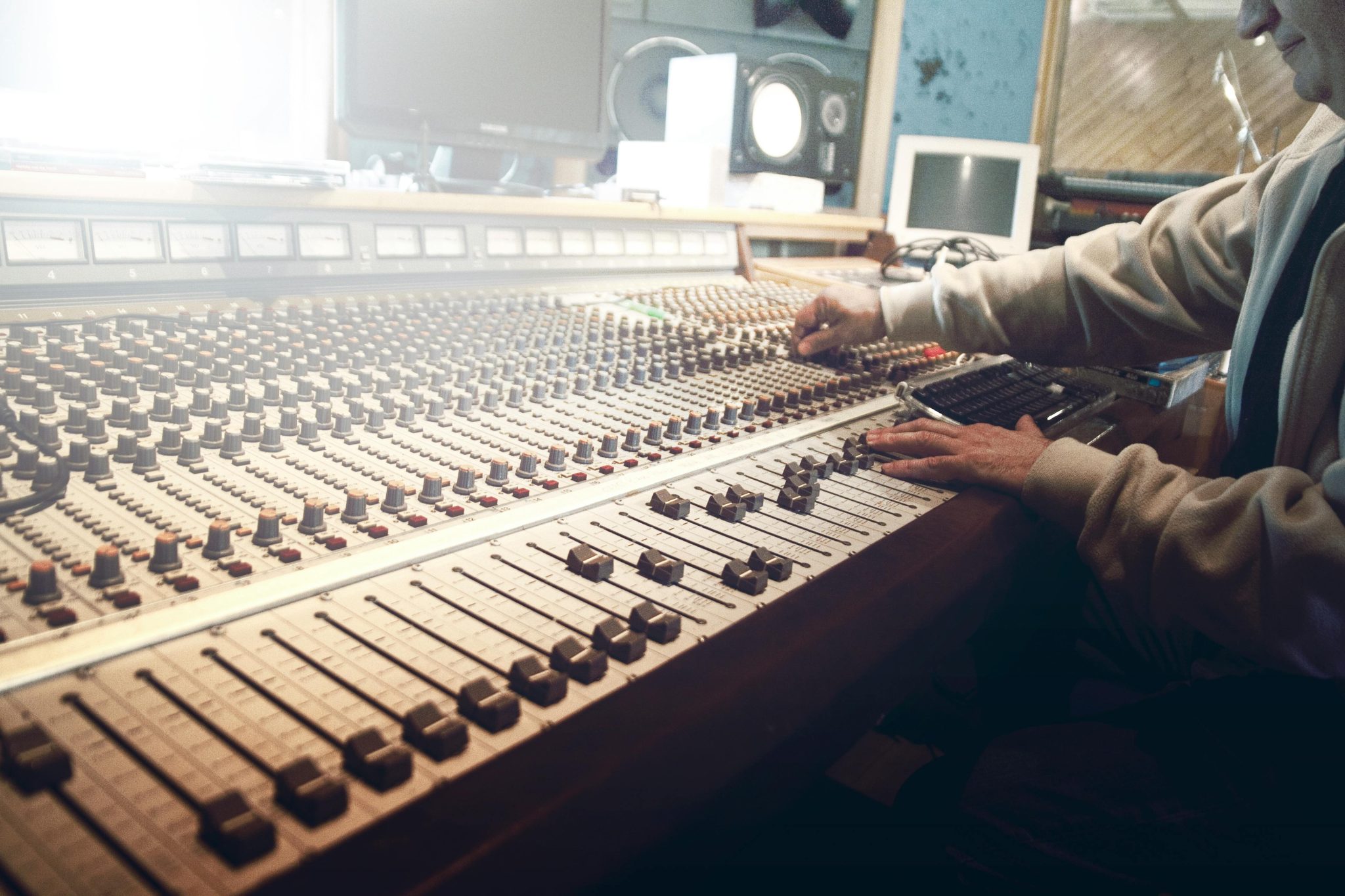
Modern sound desks work like high-end computers. Engineers save full show settings as files. They recall them in seconds at the next venue. Networked audio lets sound travel as data, not copper. This reduces noise, weight, and setup time.
If one cable fails, systems reroute signals automatically. Think of it as GPS for sound, always finding the fastest clean path.
Lighting And Visual Control Systems
Lighting rigs now run on synchronized software. Operators program entire shows before the tour starts. Timecode locks lights, video, and sound to the music. The result stays consistent night after night.
Visuals no longer react to the band. They perform with the band.
Connectivity As A Critical Utility
Venue Networks And Bandwidth
Every show depends on fast, stable internet. Ticket scans, payment terminals, live streams, and crew communications all rely on it. A network outage can stop entry at the door or break a live broadcast.
Venues now treat connectivity like power. Redundant lines, backup routers, and monitored networks reduce risk.
Touring Wi-Fi And Mobile Systems
Tours bring their own networks. Mobile routers travel with the crew. These systems support production teams, media uploads, and artist communication. They act as a digital backbone that moves city to city.
Data Driving Smarter Touring Decisions
Ticketing And Demand Forecasting
Ticket platforms feed data into planning tools. Teams track sell-through rates by city. They adjust marketing, pricing, or venue size in response. This reduces empty seats and wasted costs.
Data replaces guesswork. Tours scale to demand instead of hope.
Fan Engagement And CRM Systems
Fans interact through apps, email lists, and social platforms. CRM systems collect these signals. Teams learn where fans live, what they buy, and when they engage. This shapes routing, merch planning, and promotion.
Cybersecurity On The Road
Protecting Sensitive Systems
Tours carry valuable data. Payment systems, contracts, and unreleased content travel with the crew. Hackers know this. A single breach can shut down sales or leak material.
Security tools now protect touring networks. Firewalls, encrypted connections, and access controls travel with the show. These systems work quietly but matter deeply.
Reliability Under Pressure
Live events allow no reset button. Systems must work the first time, every time. IT teams test setups like aircraft preflight checks. They plan for failure before it happens.
The Role Of Specialized IT Partners

Why General IT Is Not Enough
Touring environments change daily. Heat, dust, movement, and tight timelines stress equipment. Standard office IT fails under these conditions. The industry needs partners who understand live operations.
Specialized providers support infrastructure, monitor systems, and solve problems fast. Their work keeps shows running even when conditions shift.
Technology As An Invisible Performer
When technology works, no one notices. When it fails, everyone does. The best systems stay invisible. They let artists focus on performance and fans focus on music.
Conclusion: The Future Sounds Digital
Live music remains human at its core. But the engine behind it runs on code, networks, and data. As tours grow more complex, technology will shape what is possible on stage and on the road.
The next great live moment will still feel spontaneous. Yet behind it, technology will be doing its job quietly, precisely, and without applause.