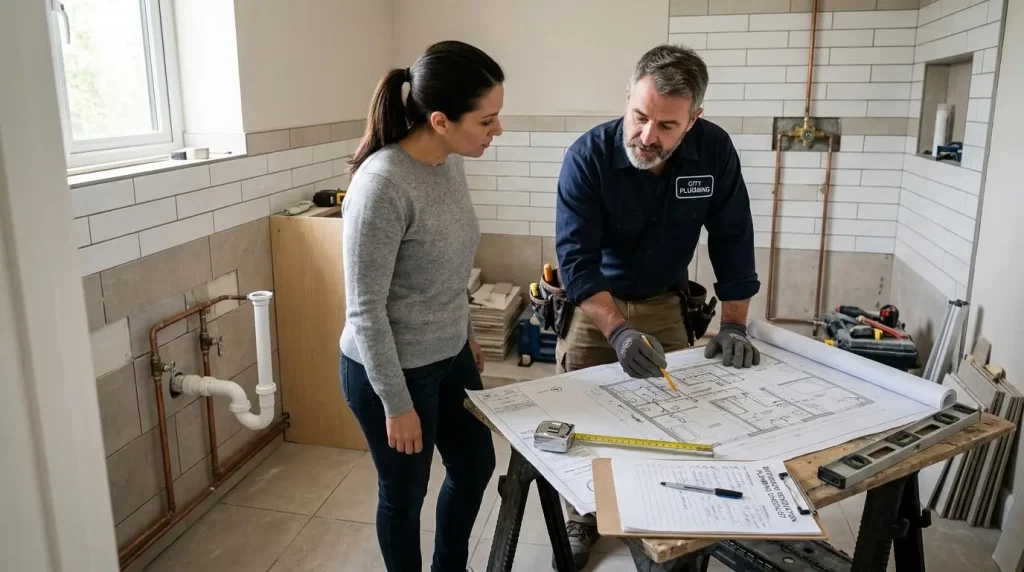
Ever walked into your shed looking for a screwdriver and somehow ended up more confused than when you started? You’re definitely not alone. The thing is, a well-organised workshop shed can be the difference between a quick fix and a three-hour hunt for that one tool you know you have somewhere.
The Real Cost of Workshop Chaos
Picture this: you’ve got a project deadline breathing down your neck, but you spend half your time moving boxes around just to reach your workbench. Sound familiar? The truth is, disorganisation doesn’t just waste time – it kills your creative flow too.
Most professionals underestimate how much mental energy goes into constantly searching for tools. Your brain gets tired from making dozens of micro-decisions about where things might be hiding. Before you know it, what should have been a productive session turns into a frustrating treasure hunt.
Start With the Bones: Layout That Actually Works
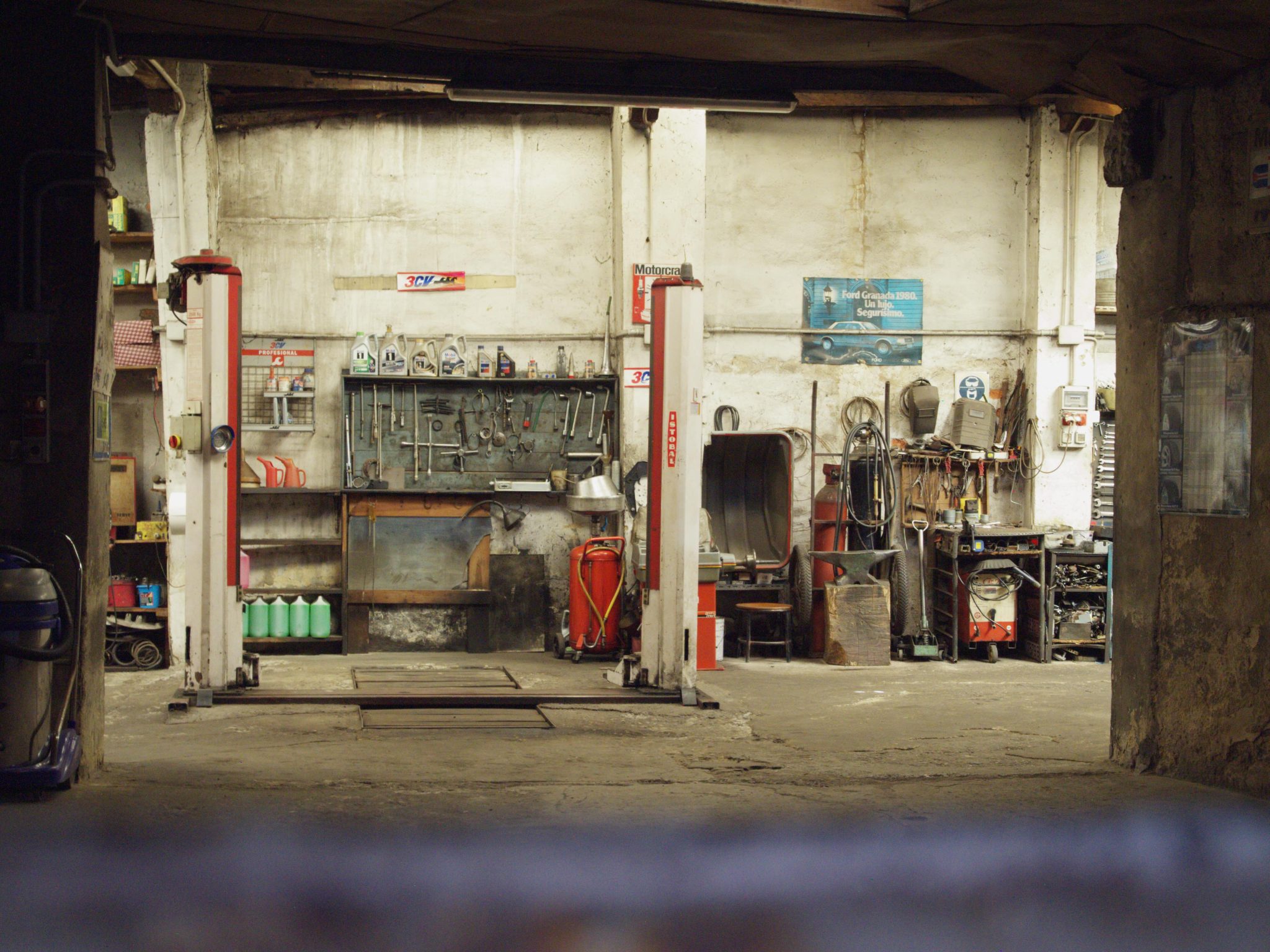
Here’s where it gets interesting – the best workshops aren’t necessarily the biggest ones. They’re the ones where everything has a logical home.
Think about your workflow first. Where do you typically start a project? Where do you finish? You want to arrange your shed so you’re not constantly backtracking. Put your most-used tools within arm’s reach of your primary work area. The stuff you use once a month? That can live further away.
One trick that works surprisingly well is the “golden triangle” concept. Keep your three most essential work areas – usually the workbench, tool storage, and material storage – forming a rough triangle. This setup minimises unnecessary steps and keeps you in the zone.
Tool Storage That Doesn’t Drive You Mental
Let’s be honest – tool storage can make or break your workshop experience. Wall-mounted pegboards are brilliant for hand tools because you can see everything at a glance. No more digging through drawers wondering if you actually own a Phillips head screwdriver.
For power tools, drawer systems work better than shelves. Tools stay dust-free, and you’re not playing Jenga every time you need something from the back. Label everything, even if it seems obvious. Trust me on this one – future you will thank present you.
The thing about small parts and hardware is they multiply when you’re not looking. Clear containers with labels save your sanity. Sort by size, type, or project – whatever makes sense for how you work.
Creating Zones That Support Your Work Style
Actually, the smartest workshops have designated zones. A cutting area separate from assembly. A finishing zone away from dusty work. It sounds fancy, but really it’s just common sense applied systematically.
Your material storage needs breathing room too. Nothing’s worse than damaged timber because it’s been crammed into a corner. If you’re serious about your craft, investing in quality Australian Made shed kits gives you the space to do this properly from the start.
The Maintenance Mindset
Look, even the best organisation system falls apart without maintenance. But here’s the secret – it doesn’t have to be a big production. Spend five minutes at the end of each work session putting things back where they belong.
Some people swear by the “one in, one out” rule for preventing clutter buildup. Others prefer a weekly tidy-up session. Find what works for your schedule and stick with it.
The bottom line? Your workshop should support your creativity, not fight against it. When everything has its place and you can find what you need without thinking, that’s when the real productivity magic happens.
Take a look around your shed today. What’s one small change you could make right now to save yourself time tomorrow?