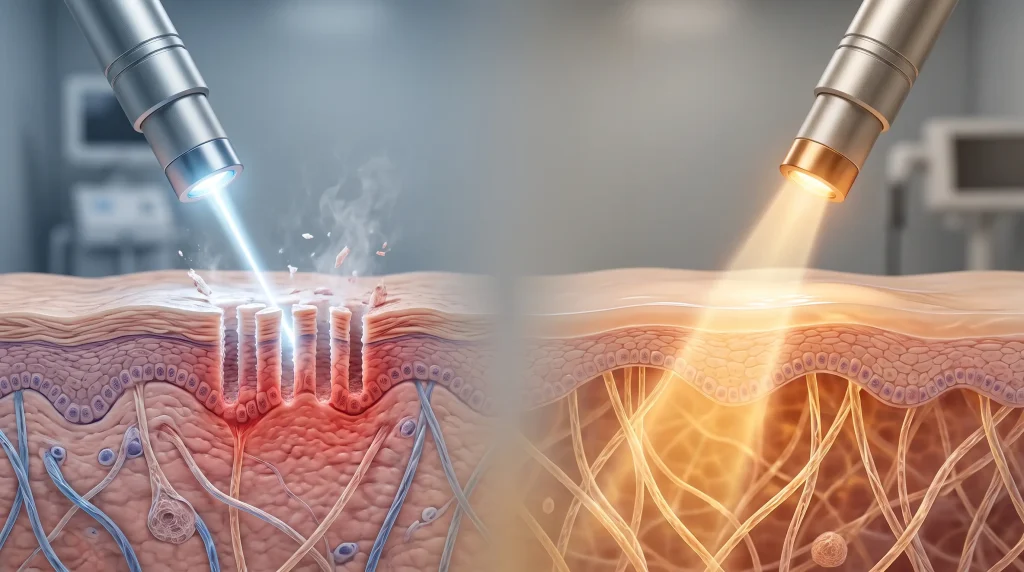
Water leaks range from being a minor nuisance to significant crises causing serious structural damage to properties. Even small leaks, if ignored, can lead to substantial problems, such as chronic dampness, structural weakness, and persistent mould growth, which poses severe health risks. Highlighting the critical damage caused by undetected water leaks underlines the need for early detection. Ignoring warning signs could result in expensive structural repairs, replacement of elements, and treating health conditions associated with mould exposure.
Leaks most often occur unbeknown to homeowners as they are hidden behind walls or in little-used parts of the home such as basements or under sinks.
Knowing the early signs of water leaks gives you a major advantage. Spotting issues early can save time, money, and stress—and protect your home’s long-term health. This guide breaks down what to look for, how leaks typically start, the hidden clues many people miss, and the modern tools that make detection easier than ever.
Understanding the Common Causes of Water Leaks
Water leaks don’t happen randomly. In most homes, they can be traced back to a few common culprits, many of which develop gradually over time.
Aging pipes are one of the biggest offenders. As plumbing systems get older, they’re constantly exposed to pressure, temperature changes, and general wear and tear. Over the years, this stress can weaken pipes, causing tiny cracks, loose joints, or, in more severe cases, bursts. Homes with older plumbing are especially vulnerable, particularly if pipes haven’t been inspected in a while.
High water pressure can also accelerate damage. While strong pressure might feel great in the shower, it puts extra strain on pipes and fittings behind the scenes. Over time, that strain can loosen joints or cause pipes to fail unexpectedly.
Environmental factors play a role too. In colder regions, freezing temperatures can cause water inside pipes to expand. This expansion places intense pressure on the pipe walls, often leading to cracks or bursts once the ice thaws. Even homes that don’t regularly experience extreme cold can still be affected during sudden temperature drops.
Finally, poor installation or low-quality materials can create long-term issues. Plumbing that wasn’t installed correctly—or systems built with inferior components—are far more likely to develop leaks sooner rather than later.
Regular professional maintenance remains one of the most effective ways to reduce these risks. A trained plumber can identify weak points early and address them before they escalate into serious damage.
Identifying Visible Signs of Water Leaks
Some of the most obvious water leak warning signs are right in front of you—but they’re easy to overlook if you don’t know what you’re looking for.
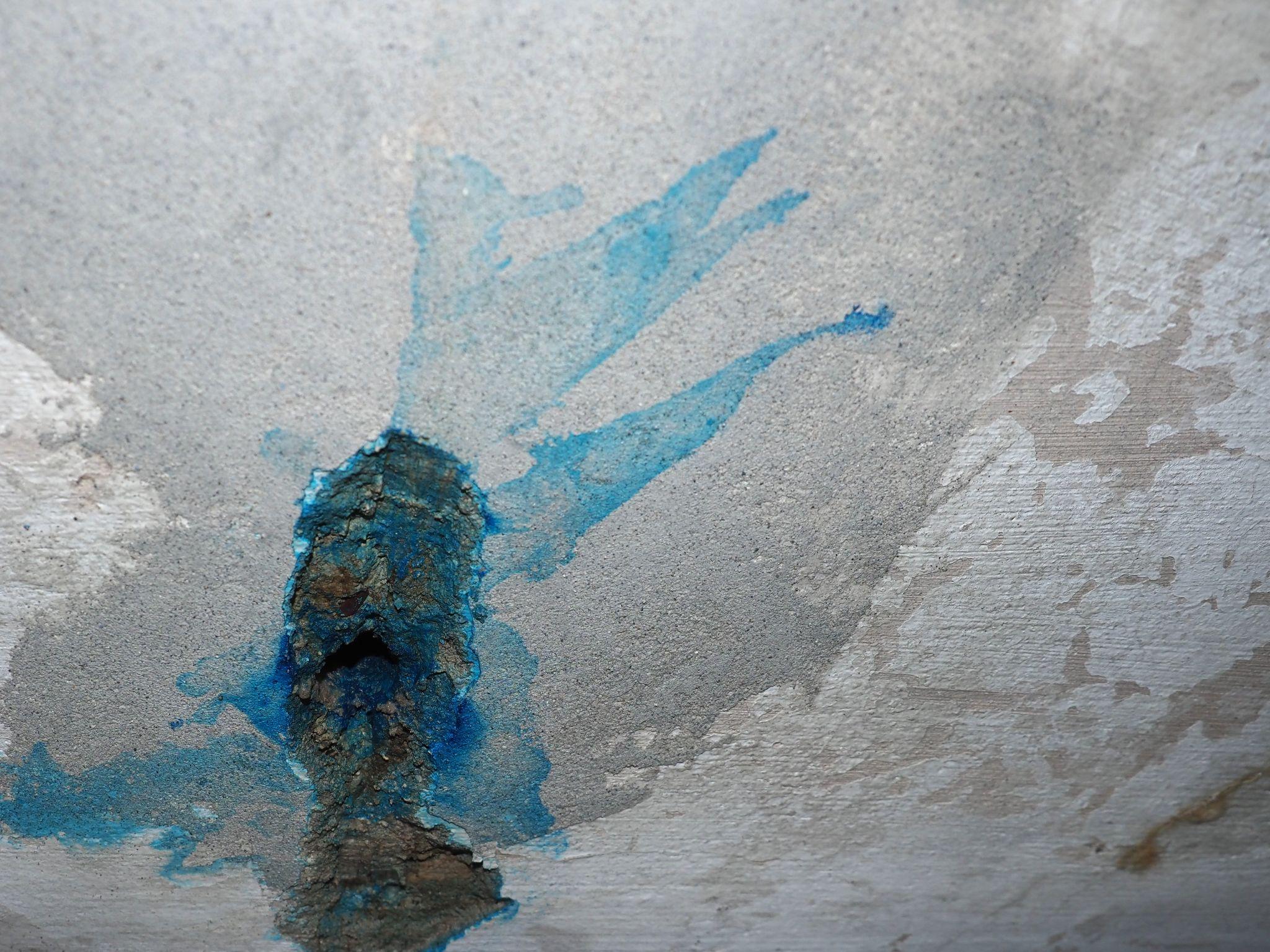
Water stains are one of the most common giveaways. These often appear as yellowish, brown, or copper-coloured patches on walls, ceilings, or floors. They may start small, but if the underlying leak continues, those stains tend to spread and darken over time.
Peeling paint or bubbling wallpaper is another red flag. Moisture behind walls can break down paint and adhesives, causing surfaces to warp, blister, or separate. While this might initially seem like a cosmetic issue, it’s often a sign of hidden water damage.
Mould and mildew deserve immediate attention. These fungi thrive in damp environments, and their appearance—especially in unexpected areas—can signal a consistent moisture source. A musty smell that lingers, even after cleaning, is often one of the clearest indicators of an underlying leak.
Damp patches, warped floorboards, or unexplained puddles are also worth investigating. If moisture appears in areas that are usually dry, it’s rarely accidental. Acting quickly at this stage can prevent far more extensive damage later on.
Detecting Invisible or Hidden Water Leaks
Often, the tell-tale signs of a water leak are not obvious, particularly when leaks are hidden behind walls or in discrete places. In such situations, taking note of an unexpected spike in your water bill may suggest a hidden leak. Homeowners should be vigilant about changes in their utility bills, as consistent or sharp increases may signal water wastage from a hidden leak.
A practical and fail-safe way to detect unseen leaks is through a thorough inspection of the water meter. By ensuring all water outlets, including washers and dishwashers, are turned off and checking the water meter, one can easily determine if there is continuous water flow, suggesting a leak.
Listening for running water or a dripping sound is another traditional yet effective method for detecting leaks. More often than not, leaks manifest as a continuous dripping or faint rushing sound. Adopting this simple approach, especially in quieter parts of the house, could uncover the hidden leaks before they cause substantial damage.
Toilet leaks account for a significant amount of water wastage in homes. Applying simple detection techniques, like adding a few drops of food colouring to the toilet tank, can reveal leaks. If, without flushing, the colour appears in the bowl, there is a leak, indicating a need for immediate correction.
Utilising Modern Tools for Water Leak Detection
Modern technology provides a range of tools that simplify the process of identifying leaks. Devices such as smart leak detectors, when placed in strategic areas, can sense the smallest amount of moisture, prompting immediate alerts and enabling prompt response.
Thermal imaging cameras offer another edge in detecting hidden leaks, particularly behind walls or beneath floors. These devices detect variations in temperature of surfaces they scan—moist surfaces generally being cooler due to the evaporative effect of the water—thereby revealing the hidden damage.
Moisture meters offer another means of assessing the extent of potential leaks and dampness in materials such as plaster, drywall, and wood. Regular use of moisture metres during home inspections can aid in detecting water leaks long before visible signs appear.
Finally, apps and gadgets capable of monitoring overall water usage patterns provide unprecedented access and control in managing water usage. These smart tools analyse consumption trends and offer real-time alerts if abnormalities are detected, indicating potential leaks.
Preventive Measures to Avoid Water Leaks
Prevention is most certainly better than dealing with irreversible damage from leaks. Hence, scheduling regular inspections with a qualified plumber plays a central role in preventing water leaks. Professionals can identify potential vulnerabilities in the plumbing system and address them before they evolve into significant issues.
Proper insulation of pipes, particularly in colder regions, can save homeowners the ordeal of dealing with frozen and burst pipes. By insulating pipes against low temperatures, the risk of ruptures due to freezing reduces significantly.
Further, maintaining the longevity and functionality of faucets and fixtures is also crucial in preventing leaks. Simple routines like regular cleaning and replacing worn-out washers can help ensure the fixtures last longer and stay leak-free.
Adopting a water leak preventive maintenance strategy allows homeowners to stay a step ahead of potential issues. Regularly checking areas commonly affected by leaks and ensuring the adequate functioning of the drainage system is an indispensable part of household maintenance.
Staying Ahead of Leaks for a Healthier Home
In conclusion, vigilance and proactive measures are the basic mantras of home maintenance when it comes to preventing water leaks. Understanding how to identify the early signs of water leaks, knowing the symptoms to look for, learning how to utilise modern leak detection tools, and incorporating preventive practices can save homeowners a lot of trouble and unnecessary expense.
By maintaining an alert eye for spotting possible issues, using technology to complement traditional detection practices and adopting a robust preventative strategy, homeowners can effectively protect their homes from the damage and discomfort caused by leaks. The relatively modest investment of time and effort today can save a wealth of trouble down the line—preventing leaks ensures the continued health of the home and its occupants, and avoids the financial strain of comprehensive repairs.