Ever catch yourself wondering why straightening teeth still feels like a trade-off between comfort and confidence? The idea of metal brackets and wires lingering in the background of everyday life has pushed many people to quietly live with a smile they would love to improve. Somewhere between coffee breaks, meetings, workouts, and dinners out, the desire for a polished smile keeps resurfacing. That is often when conversations turn toward clear aligners and, in the middle of that curiosity, the phrase Best Invisalign Dentist in NYC tends to come up as people search for results they can trust. Invisalign has changed how smile correction fits into real life, and the right dental professional makes all the difference.
Why Straight Teeth Matter More Than Ever
A smile does a lot of work before a single word is spoken. It signals confidence, openness, and approachability. Beyond appearances, alignment also plays a role in long-term oral health. Crowded teeth can be harder to clean. Misaligned bites can lead to uneven wear, jaw discomfort, and even headaches over time. Straightening teeth is not just about looking good in photos. It is about protecting function and comfort for years ahead.
In a world that values efficiency and subtlety, orthodontic care has had to evolve. People want solutions that respect busy schedules and personal style. That shift is what made clear aligners more than a trend. They became a practical option for adults and teens who want improvement without disruption.
What Makes Invisalign Different
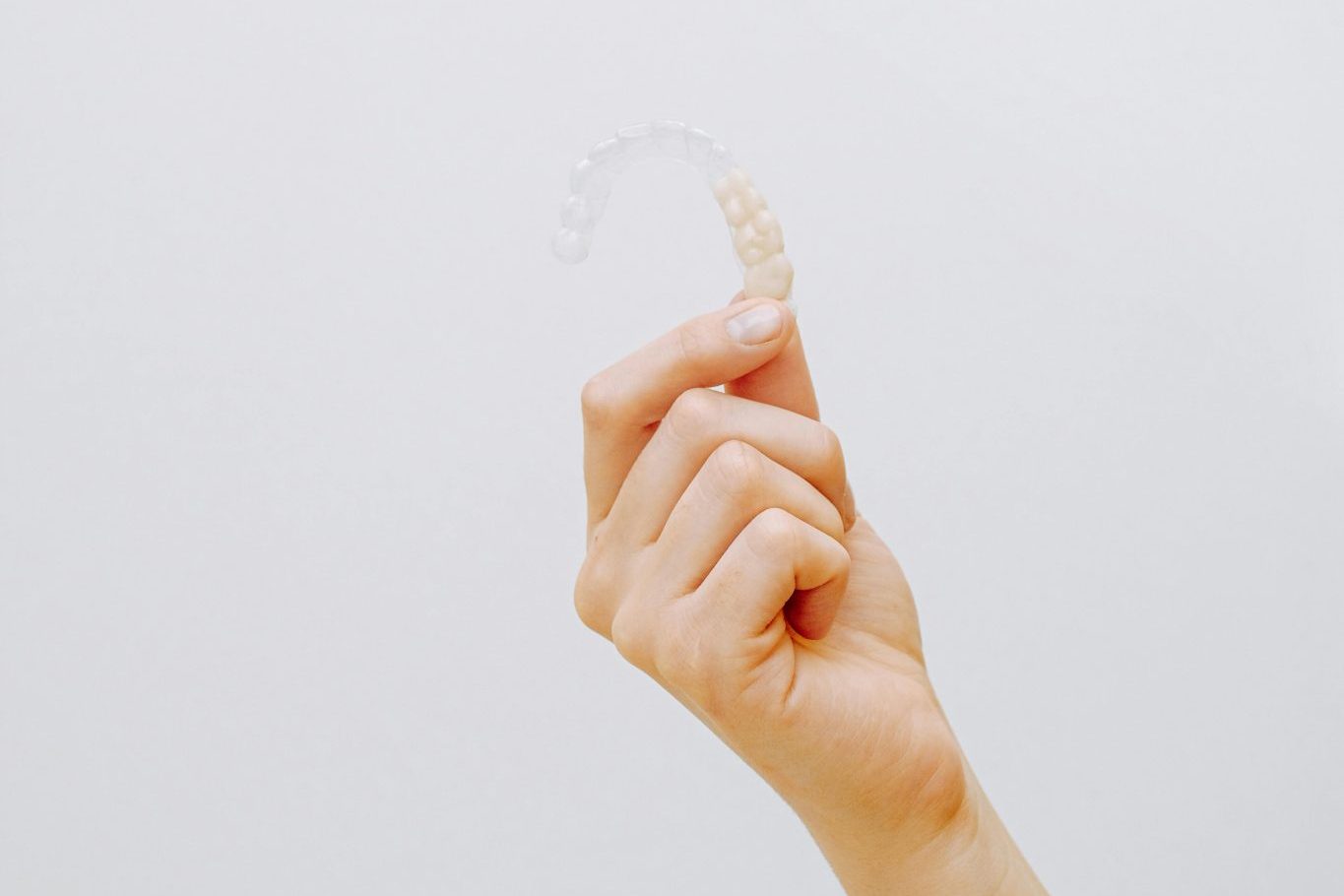
Traditional braces do their job well, but they come with visible hardware and lifestyle adjustments that can feel overwhelming. Invisalign takes a different approach. Instead of brackets and wires, treatment relies on a series of clear, custom-made aligners designed to gently guide teeth into place.
Each aligner is worn for a short period before moving on to the next. The changes happen gradually, which is easier on the mouth and easier to adapt to. Because the aligners are removable, meals, brushing, and flossing remain familiar routines. There is no need to rethink favorite foods or struggle around metal components.
The discreet nature of Invisalign often becomes the deciding factor. Aligners sit comfortably over the teeth and are barely noticeable in conversation. That subtlety helps people stay focused on their day instead of worrying about how their smile looks mid-treatment.
Life With Clear Aligners
One of the most appealing aspects of Invisalign is how seamlessly it fits into daily life. Meetings, social events, workouts, and travel continue without major adjustments. Aligners are worn most of the day, but they come out when eating or cleaning teeth. That flexibility gives people a sense of control over their treatment.
Comfort is another key benefit. Without wires or brackets, there is less irritation to the cheeks and gums. While some pressure is expected as teeth move, it is usually mild and short-lived. Many people describe it as a gentle reminder that progress is happening.
Consistency matters, though. Invisalign works best when aligners are worn as directed. That shared responsibility between patient and provider is part of what makes professional guidance so important throughout the process.
The Importance of Choosing the Right Dental Professional
Clear aligners may look simple, but successful treatment depends on expertise behind the scenes. For patients in image-conscious settings, a cosmetic dentist in Beverly Hills connects this first step with both aesthetics and function. Tooth movement is complex, and no two smiles are exactly alike. A skilled dental professional begins with a thorough evaluation, looking at alignment, bite, jaw position, and overall oral health.
Advanced imaging and digital scans allow for precise planning. These tools help map out each stage of movement before the first aligner is even worn. A customized treatment plan means fewer surprises and more predictable outcomes.
Experience also matters when addressing more complicated cases. Overbites, underbites, crowding, and spacing issues require careful adjustments along the way. Regular check-ins ensure progress stays on track and allow for refinements when needed. This level of oversight reduces the risk of setbacks and helps avoid costly corrections later.
Technology That Supports Better Results
Modern orthodontic care is deeply connected to technology. Digital scanning replaces traditional impressions, making the process faster and more comfortable. Three-dimensional treatment planning allows patients to see a preview of their expected results, which builds confidence and clarity from the start.
Throughout treatment, progress can be monitored with precision. Adjustments are made based on how teeth respond, not on guesswork. This blend of technology and clinical judgment creates a smoother experience and more reliable results.
It also shortens chair time. Appointments tend to be quicker and more focused, which is a welcome benefit for anyone juggling work, family, and personal commitments.
Trust Built Through Communication
A great dental experience is not just about technical skill. It is also about communication. Clear explanations, realistic expectations, and open dialogue create trust. Patients should feel informed, not rushed or confused.
A professional who takes time to explain the process, answer questions, and discuss goals helps ease anxiety. Knowing what to expect at each stage makes the journey feel manageable. That sense of partnership turns treatment into a collaborative effort rather than a mystery.
Follow-up care is another essential piece. Regular visits ensure aligners are fitting correctly and teeth are moving as planned. Small adjustments along the way can have a big impact on final results.
Addressing Common Concerns
Many people hesitate before starting orthodontic treatment because of lingering doubts. Will aligners affect speech? How noticeable are they really? What happens if an aligner is lost?
These concerns are common and valid. Most people adjust to speaking with aligners quickly. Any initial lisp typically fades within days. As for appearance, aligners are designed to be subtle, especially compared to traditional braces.
Losing an aligner is not the end of the world, but it does highlight the importance of professional guidance. A dental provider can advise on whether to move forward or step back, keeping treatment on track without unnecessary delays.
A Health Investment That Lasts
Orthodontic treatment is often framed as cosmetic, but its benefits go deeper. Proper alignment supports better oral hygiene, reduces strain on the jaw, and helps preserve tooth structure. These improvements contribute to overall well-being.
Choosing Invisalign with the guidance of a knowledgeable professional is an investment in both confidence and health. The results extend beyond a straighter smile. They influence how people feel when speaking, laughing, and interacting with others.
Long after the final aligner is worn, the impact remains. Retainers help maintain results, and the habits built during treatment often lead to better oral care overall.
The Emotional Side of Smile Transformation
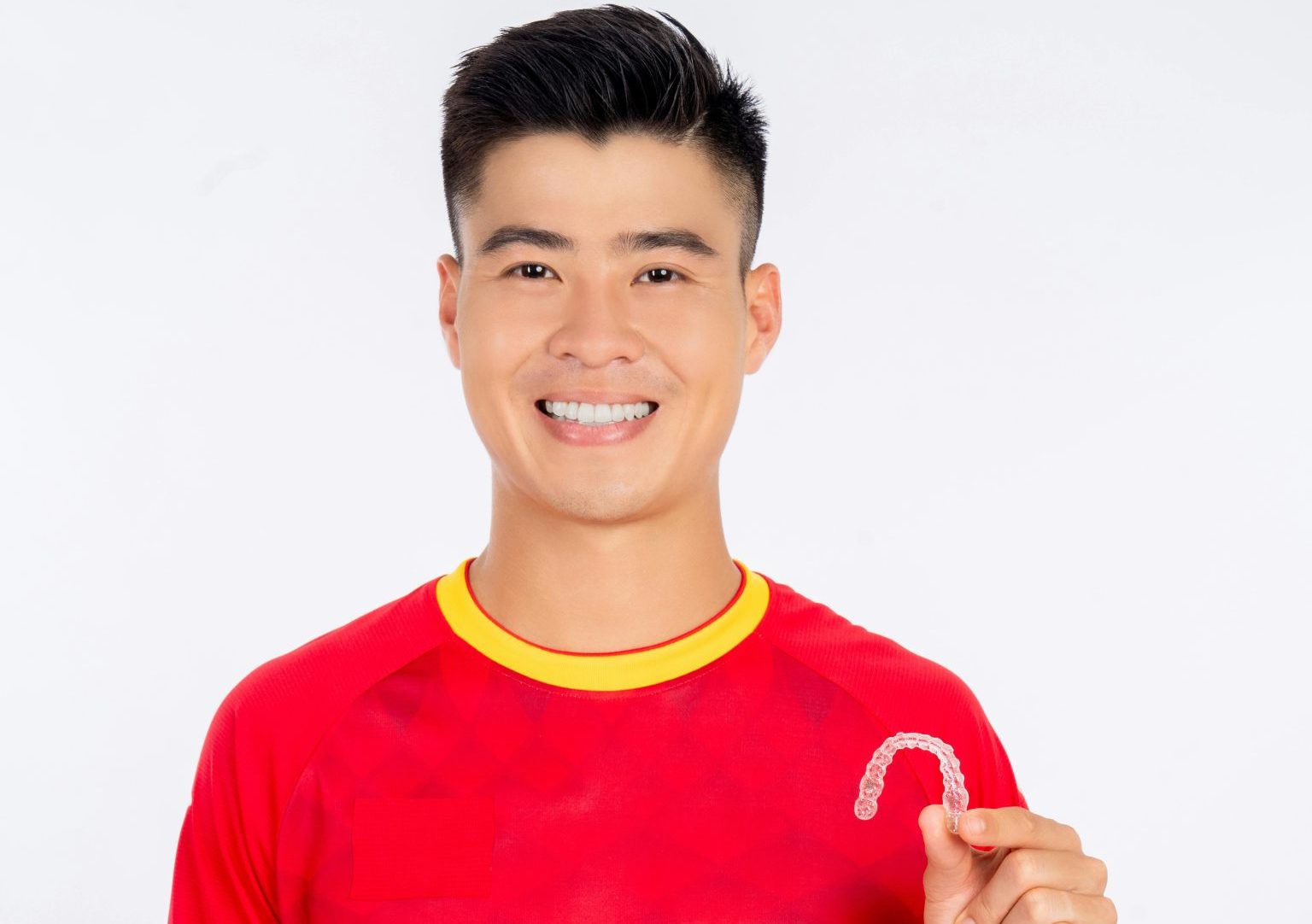
There is an emotional shift that comes with improving a smile. It often starts quietly, with a bit more ease in social situations or a willingness to smile in photos. Over time, that ease can turn into confidence that carries into other areas of life.
This transformation is not about perfection. It is about alignment, comfort, and feeling like the outside finally matches how someone feels inside. A skilled dental professional understands that emotional component and treats it with the same care as the physical process.
Making the Decision
Deciding to move forward with Invisalign is personal. It involves weighing goals, timelines, and commitment. For many, the deciding factor is finding a provider who listens, explains, and inspires confidence.
Consultations offer a chance to ask questions, explore options, and understand what treatment could look like. There is no pressure in learning more. Information empowers better decisions.
Looking Ahead With Confidence
Modern orthodontic solutions have redefined what smile correction can be. Invisalign offers a discreet, flexible, and effective path toward better alignment. When paired with the expertise of a skilled dental professional, it becomes a reliable way to achieve lasting results.
The journey is not instant, but it is purposeful. Each aligner brings subtle change, and those changes add up. With the right guidance, the process feels less like a disruption and more like a natural progression toward a healthier, more confident smile.
For anyone ready to explore that possibility, the first step is simply starting the conversation. A straighter smile may be closer, and more comfortable, than it ever seemed.