

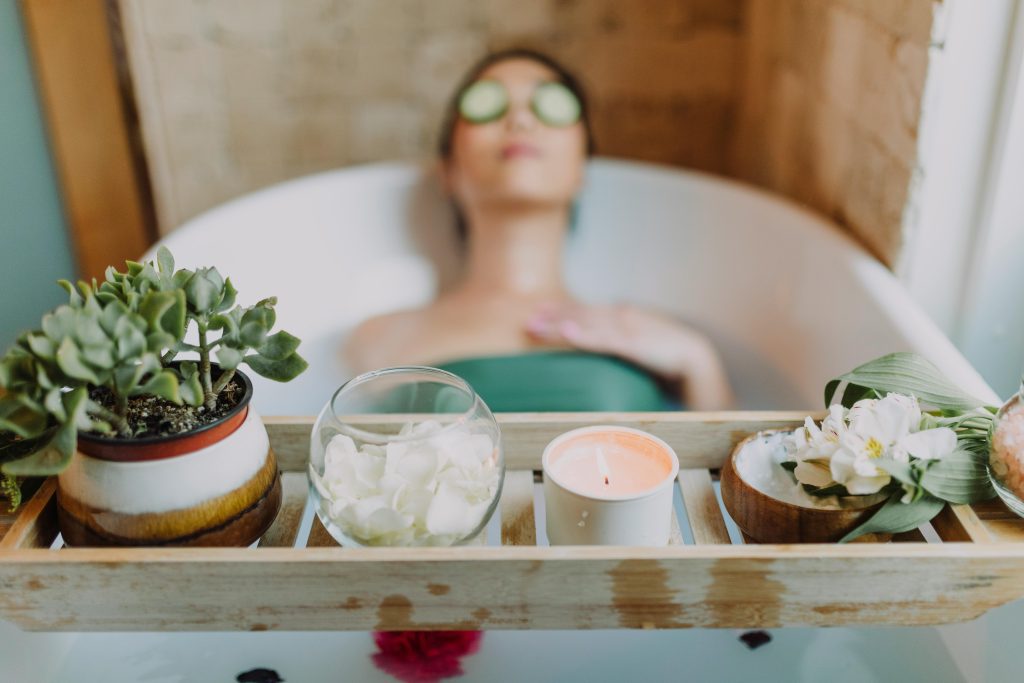
There is something deeply appealing about the idea of a home spa. It is a private place to unwind, recover, and reset without appointments, crowds, or cross-town drives. What was once considered a luxury has become a practical extension of modern living. More homeowners are intentionally creating wellness spaces that offer an escape from stress, screens, and the constant pull of a fast-paced world.
When designing a home spa, you want a space that aligns with your lifestyle, your home’s layout, and your personal approach to wellness. Whether that means the intense heat of a traditional sauna, the gentle warmth of infrared therapy, or the restorative benefits of hydrotherapy, the focus remains the same: self-care.
This guide covers everything you need to do to plan and build your home spa. Let’s jump right into it!
What a Home Spa Is and How It Compares to a Spa Day
A home spa is a dedicated wellness space within your home designed for relaxation, recovery, and self-care. It might include a sauna, steam shower, soaking tub, cold plunge, or massage area…essentially, any combination of features that support thermal therapy, hydrotherapy, or body care rituals. The most important factor is that the space is intentionally designed to support your physical and mental well-being regularly, not just for occasional indulgence.
Unlike a traditional spa day, which is often scheduled, time-limited, and centered around individual treatments, a home spa becomes part of your routine. You can use it for short daily sessions or longer recovery periods without travel, appointments, or external distractions.
Benefits of an At-Home Spa Experience
The most obvious benefit is convenience. Your home spa is available every day, regardless of weather, traffic, or business hours. This removes the friction that prevents many people from maintaining consistent wellness routines. When relaxation is as simple as walking down the hall, you’re far more likely to use it regularly.
Other benefits are:
Complete Privacy and Comfort
Privacy is another advantage. Some people feel self-conscious in shared spa environments, while others simply prefer the intimacy of their own space. A home spa eliminates those concerns. You’re free to relax without worrying about how you look, how long you’re taking, or whether other people are waiting for the same facilities.
Support for Long-Term Wellness Habits
A home spa makes it easier to build sustainable wellness habits. Practices like sauna use are linked to improved cardiovascular health, reduced stress, and better sleep quality, but these benefits depend on consistent use over time. The same is true for cold therapy, hydrotherapy, and other recovery methods. Having these tools at home makes regular practice realistic and sustainable.
A Space Designed Around Your Preferences
One of the most rewarding aspects of a home spa is personalization. You control the temperature, lighting, sound, and overall atmosphere. Over time, the space becomes associated with relaxation and recovery. It turns into a familiar ritual that signals your body and mind to slow down and reset.
Who Should Invest in a Home Spa
Home spas tend to make the most sense for people who already value wellness and are willing to prioritize it both financially and within their living space. If you currently spend two hundred dollars or more each month on spa visits, massage therapy, or recovery treatments, a home spa can often pay for itself within a few years. In return, you gain convenience, privacy, and the ability to use the space on your own schedule.
Athletes and fitness-focused individuals are another group that benefits from a home spa. Recovery plays a critical role in performance, and having immediate access to sauna heat, cold plunging, or hydrotherapy can help reduce soreness and lower the risk of injury.
That said, a home spa is not the right choice for everyone. If self-care is not already a regular priority, or if you struggle to maintain routines, the space may go unused. Practical limitations also matter. Homes without sufficient space, electrical capacity, or structural support may require costly upgrades to accommodate spa features. A home spa is a long-term commitment, not only in terms of upfront investment, but also ongoing maintenance, energy use, and regular engagement.
How to Plan Your Home Spa Space
The foundation of a successful home spa begins with thoughtful planning. Before you purchase a single piece of equipment or schedule an electrician, you need to understand your space, your goals, and the practical constraints that will shape your design. Let’s get into it.
Choose the Right Location for a Home Spa
Location determines nearly everything else about your home spa: what features you can include, how much renovation is required, and how often you’ll actually use the space. The right location balances accessibility, structural feasibility, and environmental suitability.
Here are some options you can explore:
Basements
Basements are common choices for home spas, especially in regions with cold winters where below-grade spaces remain temperate year-round. They have generous square footage, easy access to plumbing and electrical infrastructure, and isolation from living areas, which reduces noise and moisture concerns. However, basements require careful attention to moisture management.
Bathrooms
Bathrooms offer the most straightforward integration path because plumbing, drainage, and ventilation are already in place. Converting a main bathroom into a spa-like retreat often requires less invasive work than building an entirely new space. The challenge is square footage. Most bathrooms aren’t large enough to accommodate a full-size sauna or cold plunge without sacrificing other fixtures. If you’re working with a bathroom, prioritize features that fit the existing footprint or consider combining a bathroom remodel with a small addition.
Dedicate spa rooms
Dedicated spa rooms represent the ideal scenario for those with the space and budget. A spare bedroom, unused office, or converted garage gives you full control over layout, ventilation, and feature selection without compromising other areas of your home. These spaces also allow you to control the environment more precisely. The lighting, temperature, sound, and scent can all be optimized for relaxation rather than competing with the functional demands of a bathroom or living area.
Outdoors
Outdoor installations bring their own set of considerations. Outdoor saunas, cold plunge pools, and hot tubs create a connection to nature that indoor spaces can’t replicate. There’s something profoundly restorative about stepping from a hot sauna into cool evening air or immersing yourself in cold water while surrounded by trees. However, outdoor spaces require weatherproofing, season-appropriate design, and protection from the elements. In colder climates, you’ll need to account for snow load on roofs, insulation to prevent heat loss, and pathways that remain safe when wet or icy.
Regardless of location, accessibility matters more than most people initially realize. If your spa space requires walking through multiple rooms, navigating stairs, or braving outdoor weather, you’ll use it less frequently. The easier it is to reach, the more it becomes part of your daily routine rather than an occasional indulgence.
2. Choose the Type of Sauna You Want for Your Spa
Saunas are the centerpiece of most home spa designs, and the type you choose shapes the rest of your space. There are two major types of saunas, and the type you choose determines what you’d experience.
Let’s take a look at them:
Traditional Finnish sauna
Traditional Finnish saunas use a heater filled with stones to produce dry heat, typically ranging from 170°F to 190°F. When water is poured over the heated stones, it creates steam that briefly raises humidity and produces what Finns call löyly. This enveloping warmth is central to authentic sauna culture and defines the traditional experience. This style of sauna remains the gold standard for those seeking deep heat, intense sweating, and the ritual satisfaction of controlling heat and steam.
Traditional saunas are powered by either wood-burning or electric heaters. Wood-burning stoves offer the most authentic experience, complete with the scent of burning wood and the ambient glow of firelight. They also create natural ventilation through combustion.
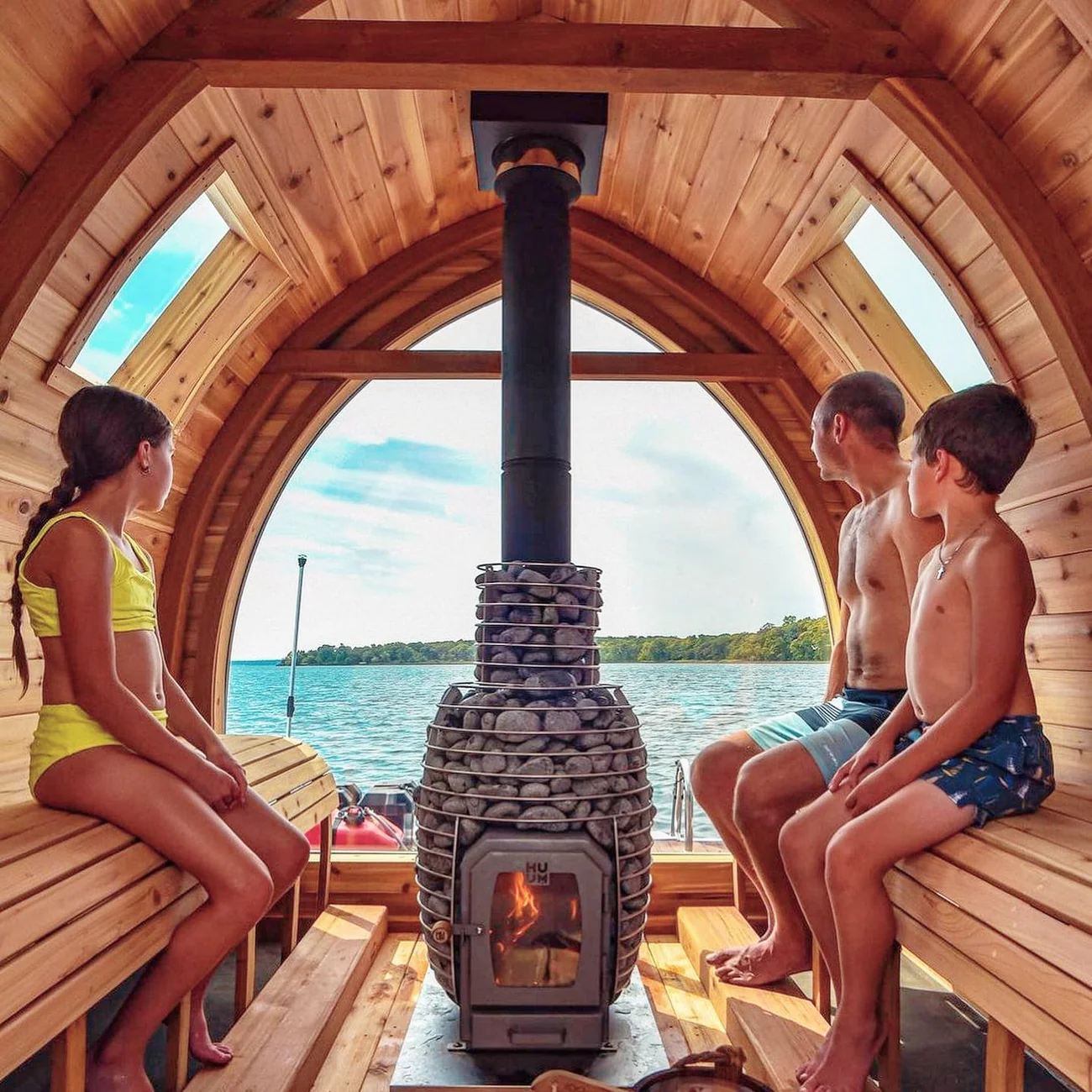
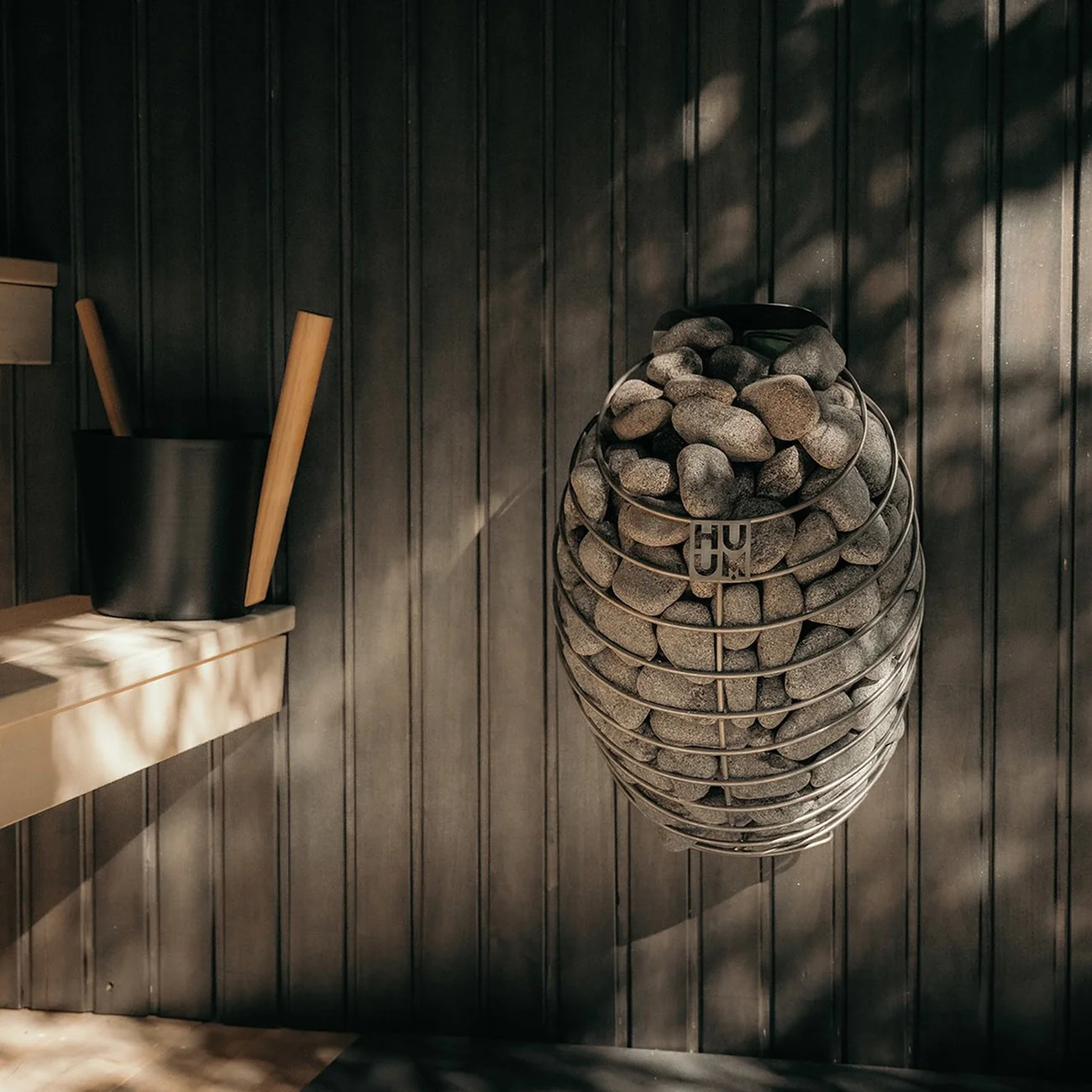
Electric heaters also offer a more streamlined alternative. Electric saunas are cleaner, easier to install indoors, and require far less maintenance, which makes them the preferred option for most modern home sauna installations.
Infrared sauna
Infrared saunas use electromagnetic radiation to heat your body directly rather than warming the air around you. They operate at lower temperatures, typically 120°F to 140°F, and produce no steam. The experience is gentler, less intense, and more accessible to people who find traditional sauna heat overwhelming. Infrared saunas also heat up faster, often reaching the target temperature within 10 to 15 minutes, and consume less energy during operation.
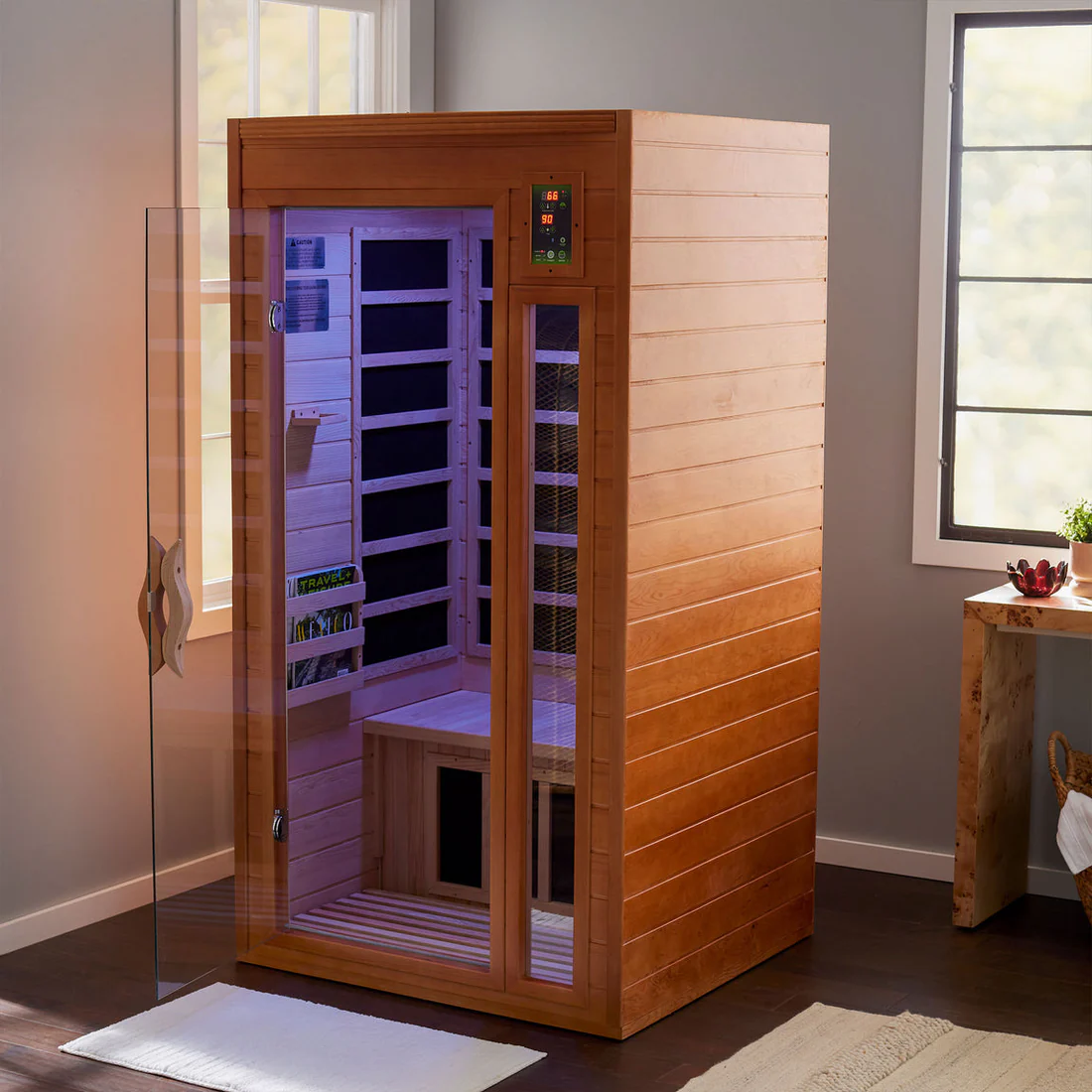
The core distinction is this: traditional saunas create an environment of intense, humid heat that your body adapts to. Infrared saunas penetrate your tissues with radiant energy, warming you from the inside out without heating the surrounding air. Both offer wellness benefits: improved circulation, stress reduction, and muscle relaxation, but the experiences feel fundamentally different.
Tip: If you’ve never used either type, visiting a local spa or wellness center to try both before committing is time well spent.
3. Consider the Electrical Requirements
Electrical capacity is one of the most commonly underestimated challenges in home spa planning. Most homes are wired for everyday appliances such as refrigerators, washers, HVAC systems, not high-draw wellness equipment. A traditional sauna heater, for example, requires a dedicated 240V circuit with 30 to 60 amps, depending on the unit’s size. Infrared saunas are less demanding, with many models running on standard 120V circuits, but larger multi-person units may still require 240V.
Before selecting equipment, have a licensed electrician evaluate your electrical panel. If your home’s service capacity is already near its limit, adding a sauna may require upgrading the panel, which can add $1,500 to $3,000 to your project budget. This is because undersized circuits create fire hazards and repeatedly trip breakers, rendering your spa unusable.
Beyond capacity, consider placement. Running new electrical lines through finished walls, across multiple floors, or to outdoor locations increases labor costs. Locating your spa near your electrical panel or in a space with accessible wiring simplifies installation and reduces expense.
4. Look Out for the Material Quality
Material choices play a direct role in durability, maintenance requirements, and long-term satisfaction. Lower-cost materials can reduce upfront expenses, but they often wear out faster, require more upkeep, and eventually need replacement. Over time, those compromises tend to erase any initial savings.
In saunas, wood selection is especially important. Wood performs exceptionally well in high-heat, high-humidity environments because it naturally absorbs and releases moisture, and helps regulate conditions inside the sauna. It is also an effective insulator and heat radiator, allowing surfaces to warm evenly without becoming uncomfortably hot to the touch. When properly selected, wood creates a balanced, enveloping heat that defines a high-quality sauna experience.
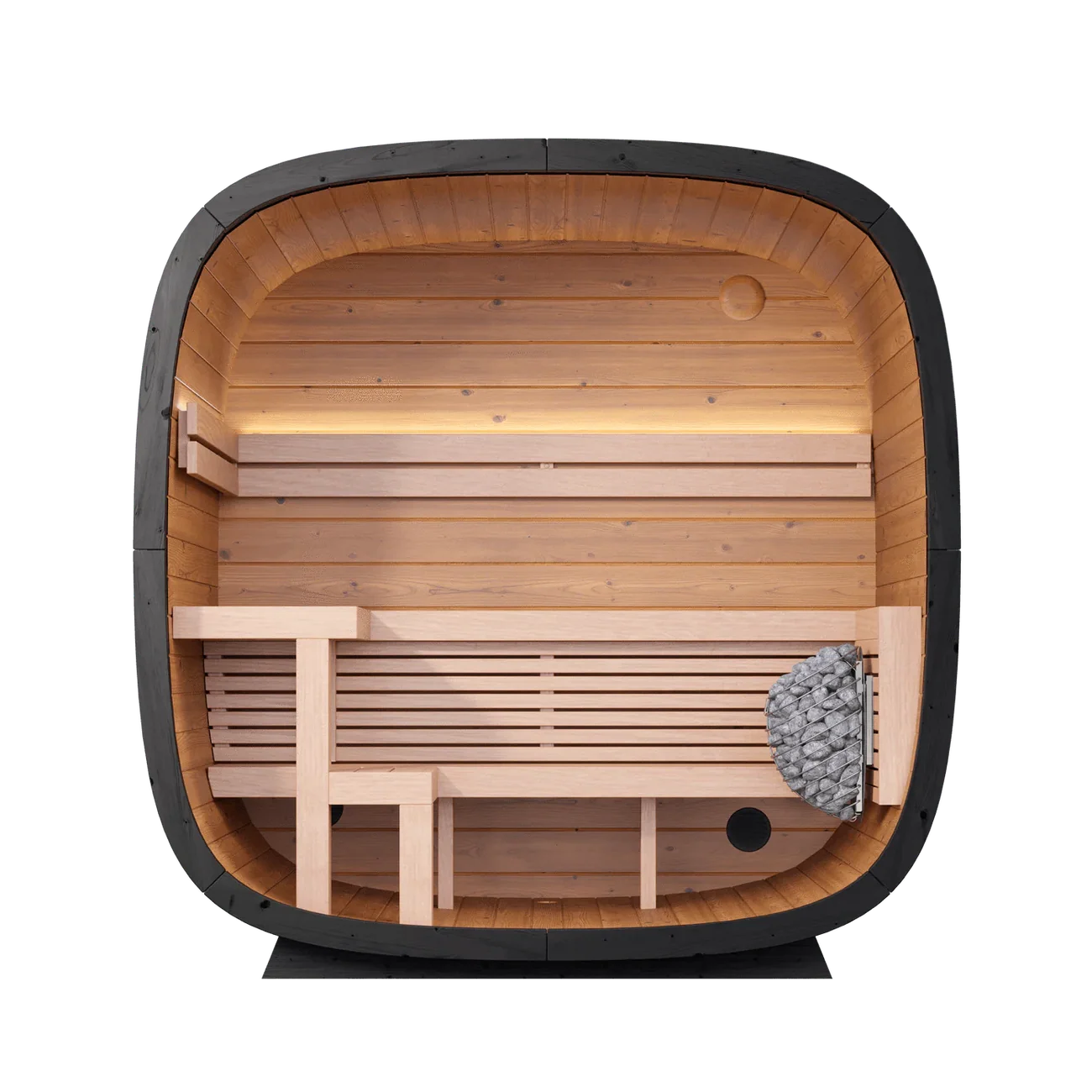
Not all wood is suitable for use in a sauna. The best options have low heat retention and low thermal conductivity, which keeps benches and wall surfaces comfortable during use. They must also tolerate repeated heating and cooling cycles without warping, cracking, or developing mold.
Softwoods are generally the best choice for sauna construction due to their lower density and favorable thermal properties. They retain less heat than hardwoods, which keeps surfaces comfortable to sit on and touch even at high temperatures. Softwoods also insulate well, tolerate moisture effectively, and help maintain a calm, quiet atmosphere inside the sauna.
Recommended softwoods for sauna use include Aspen, Alder, Cedar, Spruce, and Pine.
5. Ensure a Proper Ventilation System Is Installed
Ventilation is non-negotiable in home spa design, yet it’s frequently treated as an afterthought. Without adequate air exchange, moisture accumulates, oxygen levels drop, and the space becomes uncomfortable or even unsafe.
Traditional wood-fired saunas manage ventilation naturally through combustion. The fire draws in fresh air, exhaust gases exit through the chimney, and continuous circulation maintains air quality.
Electric saunas require purpose-built ventilation systems. The most effective designs place intake vents low near the heater, allowing fresh air to warm as it passes over the heating elements before rising naturally through convection. Exhaust vents positioned high on the opposite wall complete the circuit, drawing stale, humid air out of the space.
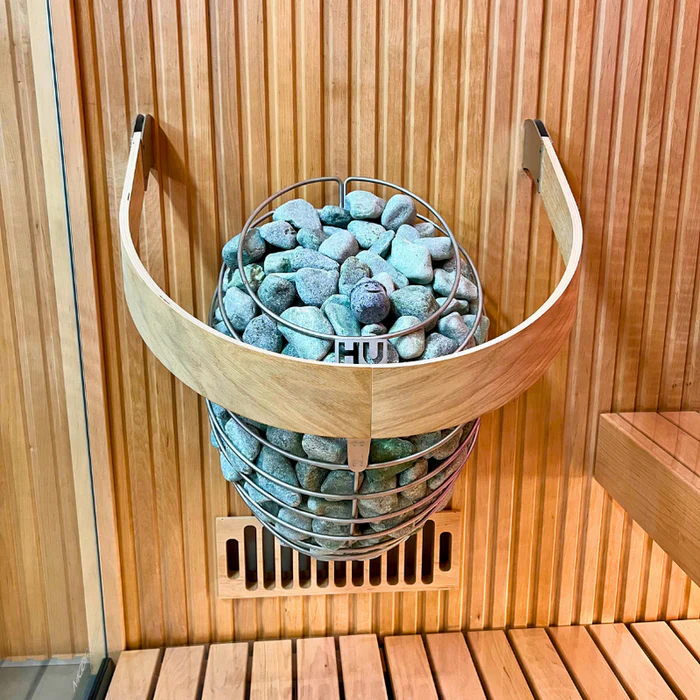
Steam rooms and areas with cold plunge pools also require robust ventilation to manage humidity. Exhaust fans rated for high-moisture environments should run continuously during use and for 30 to 60 minutes afterward to dry surfaces and prevent mold growth.
5. Think Long Term
The decisions you make during the planning phase will shape your home spa experience for years to come. A well-designed space should feel just as functional and inviting a decade from now as it does on opening day. Achieving that requires looking beyond initial aesthetics and thinking carefully about how the space will age, how much maintenance it will require, and how well it can adapt to changing needs.
Materials should be chosen for longevity rather than appearance alone. High-quality wood, properly sealed tile, and durable fixtures may increase upfront costs, but they reduce the need for frequent repairs and replacements. It is also important to plan for routine upkeep. This can include replacing sauna stones every few years, servicing heaters, resealing grout lines, or refinishing wood surfaces as needed.
Your wellness priorities may evolve, and your space should be able to evolve with them. If sauna use is your current focus, but cold therapy may become a future interest, consider leaving space and plumbing access for a cold plunge. If the spa will serve a growing household, design it to comfortably accommodate multiple users.
Core Home Spa Features to Include
Once you’ve established your location and planned for the essentials, the next step is selecting the features that will define your daily experience. Not every home spa needs every feature, but understanding your options allows you to prioritize based on your wellness goals, available space, and budget.
1. Sauna
A sauna delivers the deepest, most consistent heat therapy available in a home setting. Whether you choose a traditional Finnish sauna with heated stones and steam or an infrared model with radiant warmth, regular sauna use supports cardiovascular health, reduces stress, promotes muscle recovery, and improves sleep quality.
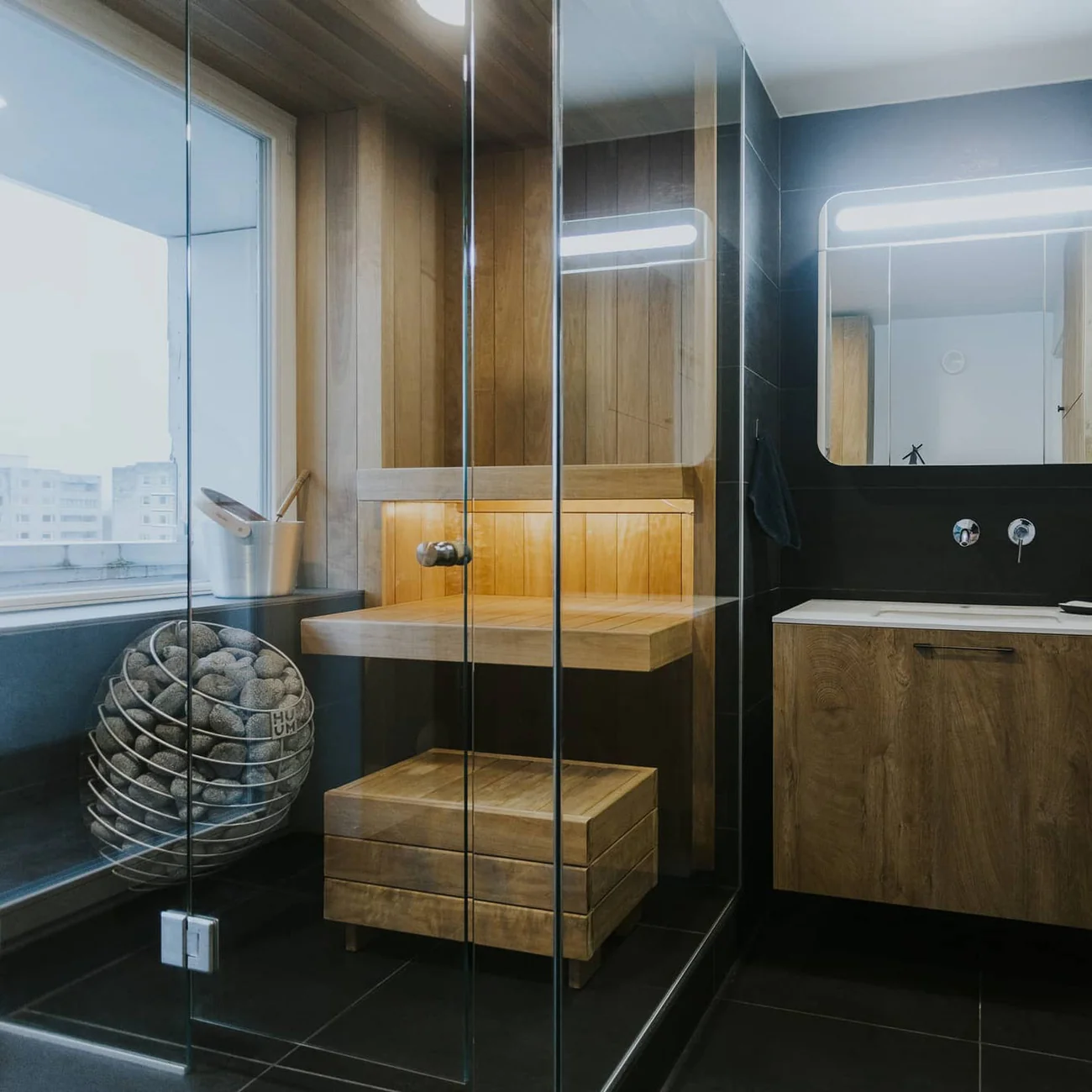
For most people building a home spa, the sauna is the central feature around which everything else is organized.
2. Cold Plunge Pool
Cold water immersion provides a powerful counterbalance to sauna heat and delivers distinct benefits. These include reduced inflammation, faster muscle recovery, improved circulation, and increased mental clarity. When used regularly, cold plunging can improve both physical resilience and stress tolerance.
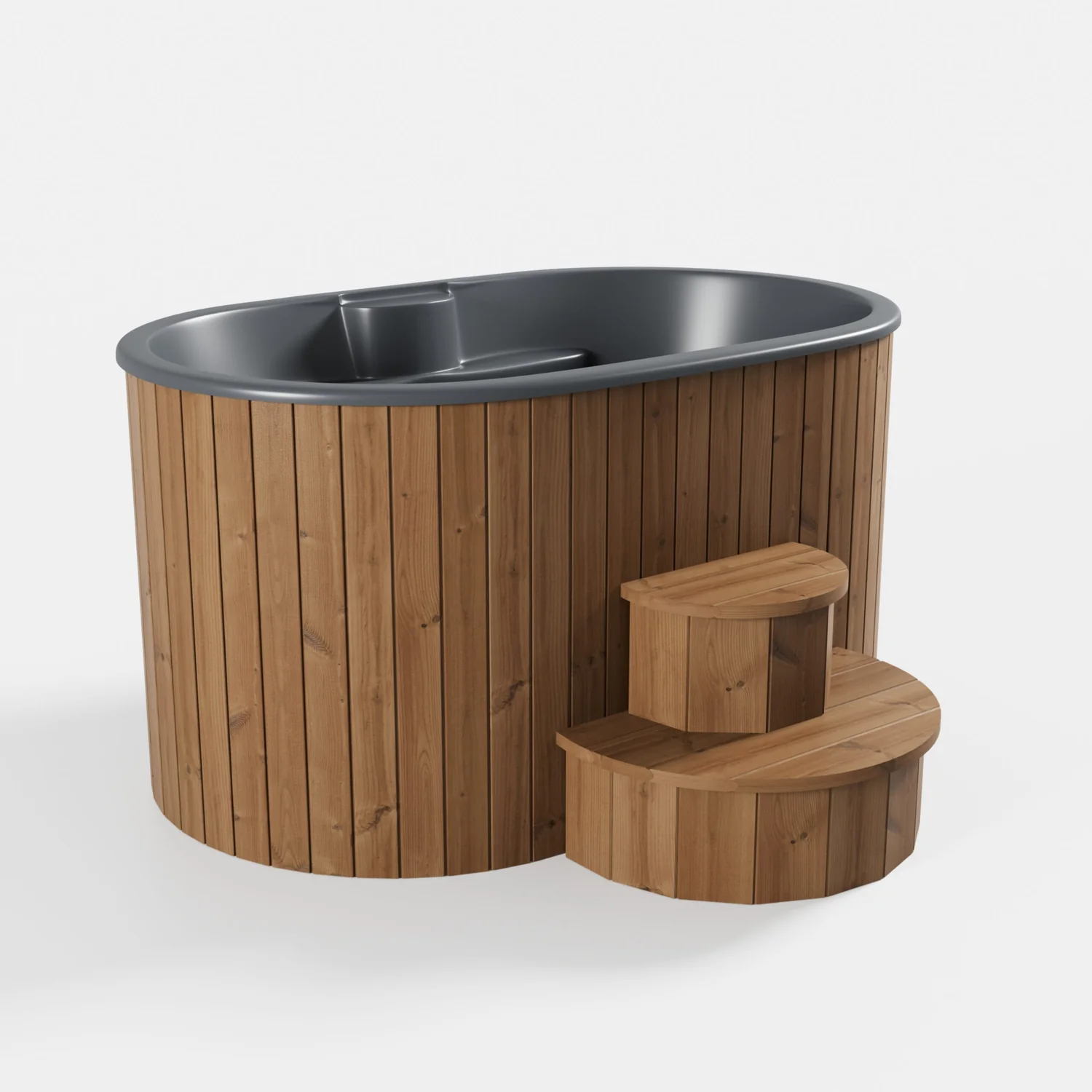
A cold plunge pool can range from a simple converted stock tank to a fully integrated plunge system with dedicated chilling equipment that maintains water temperatures between 45°F and 55°F. Regardless of the setup, depth is critical. Submersion up to the shoulders produces the most noticeable physiological effects.
Many people incorporate cold plunging into a cycle with sauna sessions. This practice, known as contrast therapy, alternates heat and cold exposure to stimulate circulation and accelerate recovery. When thoughtfully integrated into a home spa, a cold plunge becomes a highly effective tool rather than a novelty feature.
3. Steam Shower
Steam showers generate moist heat, typically around 110°F to 120°F, with near 100% humidity. They’re gentler than traditional saunas and particularly effective for respiratory relief, sinus congestion, and skin hydration. Steam also opens pores and promotes sweating, supporting detoxification and deep relaxation. If you’re incorporating a steam shower, ensure it’s paired with robust ventilation to prevent moisture from escaping into adjacent spaces.
4. Soaking Tub
A deep soaking tub provides hydrotherapy in its most accessible form. Warm water immersion reduces joint stress, eases muscle tension, and calms the nervous system. Unlike hot tubs, which require ongoing maintenance, chemicals, and energy to keep water heated, soaking tubs are filled and drained with each use, eliminating standing water and reducing upkeep.
Japanese-style ofuro tubs are deep, compact, and designed for upright soaking. They work well in smaller spaces. If you have room, a larger freestanding tub with ergonomic contouring and integrated armrests transforms the experience from functional to luxurious.
5. Massage or Bodywork Area
If you plan to incorporate massage, stretching, or other bodywork into your wellness routine, dedicate space for it. This doesn’t require a commercial massage table. All you need is a cushioned bench, an adjustable treatment table, or even a designated yoga mat area to serve the purpose. The key is to create enough clearance for movement and positioning storage nearby for oils, towels, and tools. Good lighting, temperature control, and acoustic separation from noisier spa features make this area more functional.
6. Hot Tub or Jacuzzi
Hot tubs offer hydrotherapy with the added benefit of massage jets. The combination of heat, buoyancy, and targeted water pressure soothes sore muscles, improves circulation, and provides a social element that other spa features don’t. The trade-off is maintenance. Hot tubs require regular water treatment, filtration system upkeep, and energy to maintain a year-round temperature. They also demand larger spaces and structural support, especially for indoor installations. If you value group relaxation and don’t mind the ongoing care, a hot tub can be the centerpiece of your home spa. If you prefer simplicity and lower maintenance, a soaking tub or sauna may be better suited to your needs.
7. Exercise or Yoga Space
A home spa should support both movement and recovery. Incorporating a dedicated area for yoga, stretching, light strength training, or mobility work helps improve flexibility, reduce stiffness, and support long-term physical health. Regular movement also prepares the body for heat exposure and can enhance the recovery benefits of sauna and cold therapy.
This space does not need to be large to be effective. An area measuring approximately six by eight feet provides enough room for most bodyweight exercises and stretching routines. Prioritize functionality over equipment by choosing non-slip flooring, adding a wall mirror for alignment, and including simple storage for yoga mats, resistance bands, and foam rollers.
How to Design a Spa-Like Experience at Home
The equipment you install provides the foundation, but the atmosphere you create determines whether your home spa feels like a utilitarian add-on or a true retreat. Thoughtful design transforms a functional space into an environment that signals to your nervous system that it’s time to slow down, recover, and let go of external demands.
1. Lighting
Lighting plays a critical role in shaping how your home spa feels and how your body responds to the space. Harsh overhead lighting, commonly used in bathrooms and utility areas, works against relaxation by keeping the nervous system in an alert state. Bright, cool-toned light signals wakefulness, while softer, warmer light encourages the body to slow down and relax.
2. Scent
Scent plays a powerful role in shaping how a space feels because it is closely tied to memory and emotion. In a home spa, the right fragrance can deepen relaxation, improve focus, or create a sense of energy, depending on how the space is used. Eucalyptus, lavender, and cedarwood are among the most scented oils used in home spa.
3. Aromatherapy
Essential oil diffusers are effective in areas outside the sauna, such as relaxation rooms, massage areas, or near soaking tubs. They should not be placed inside saunas or steam showers, where high heat and humidity can quickly degrade essential oils and damage the diffuser. For sauna use, a safer approach is to add a few drops of essential oil to a bowl of water placed near the heater or to hang fresh eucalyptus branches near the ceiling, where rising steam gently releases their natural fragrance.
4. Sound
Sound shapes your experience as profoundly as light and scent. Silence works beautifully for some people, especially those seeking deep meditation or mental stillness. For others, carefully chosen sound (music, nature recordings, or white noise) helps quiet mental chatter and supports sustained relaxation.
5. Temperature Control
Maintaining stable and comfortable temperatures throughout your spa space is essential for a relaxing experience. Areas outside the sauna or steam room should support gradual cooling rather than abrupt temperature changes. A slightly warm relaxation room, typically between 72°F and 75°F, allows the body to recover comfortably after heat exposure without feeling chilled.
6. Natural Elements
You can add natural elements into your spa to create a space that feels warm, grounded, and restorative. Materials such as wood, stone, plants, and water reinforce the connection between wellness and the natural world. These elements soften the environment and prevent the space from feeling overly clinical or sterile.
Spa Essentials to Build Into Your Home Spa
Here are some spa essentials you can add to your home spa:
1. Skincare and Facial Treatment Areas
Including a dedicated area for skincare makes facial treatments a natural part of your home spa routine. Regular practices such as cleansing, applying masks, or using targeted treatments are easier to maintain when the space is designed for comfort, visibility, and organization.
This area does not need to be a separate room to be effective. A well-lit vanity with a comfortable chair and a large mirror is sufficient for most skincare routines. Position the vanity near a sink with both hot and cold running water to make rinsing and cleanup easy. Also, lighting should be bright, even, and neutral in tone.
2. Body Care and Exfoliation Areas
A dedicated area for body care makes treatments like dry brushing, exfoliating scrubs, and body conditioning easier to perform and more enjoyable. When these practices are built into the layout of your spa, they are more likely to become part of a routine rather than an occasional extra.
This area can be simple and compact. You can place a small bench or stool near a shower to provide a comfortable place to sit while you dry-brush before sauna sessions or apply body scrubs before rinsing. Also, remember to add non-slip mats for safety and hooks or towel bars to keep towels and robes within reach.
3. Storage for Spa Essentials
A calm spa environment depends on order and organization. Visual clutter can quickly undermine relaxation, even in a well-designed space. You want to ensure that your essentials, e.g., towels, robes, oils, scrubs, and other essentials, are easy to access while remaining neatly contained.
Tip: Install built-in cabinetry or open shelving, depending on your preferences. Open shelving allows neatly folded towels and simple accessories to be displayed, creating a clean, boutique-style spa feel. Closed cabinets are better suited for storing supplies, backup products, or items that do not need to be visible.
Common Mistakes When Building a Home Spa
Even well-planned home spas can suffer from avoidable mistakes that compromise functionality, safety, or long-term satisfaction. Learning from others’ missteps helps you make better decisions during your own design process.
1. Undersizing Your Sauna or Spa Features
One of the most common mistakes people make is trying to squeeze spa features into spaces that are simply too small. When a sauna feels cramped, it stops being relaxing. A two-person sauna where you are sitting shoulder to shoulder might look efficient on paper, but it is far less inviting than a slightly larger model that gives each person room to breathe and move comfortably.
The same issue applies to cold plunge pools. Shallow plunges that only allow partial immersion limit the benefits and quickly feel like a compromise. For a true cold plunge experience, you need enough depth, generally at least thirty-six inches, to submerge most of your body comfortably.
2. Ignoring Ventilation Until It’s Too Late
Ventilation is one of those things that is easy to overlook during planning and impossible to ignore once problems appear. Without proper airflow, moisture builds up quickly. That leads to mold, unpleasant odors, and materials wearing out far sooner than they should. It also makes the space less comfortable to use, no matter how well it is designed.
Trying to fix ventilation after everything is built is usually expensive and disruptive. Walls may need to be opened, finishes removed, and systems reworked. That is why it is critical to plan for effective air exchange from the start.
3. Overlooking Electrical Panel Capacity
Electrical capacity is another detail that is often overlooked until it becomes a problem. Finding out halfway through a project that your panel cannot support a sauna heater or steam generator can bring everything to a halt. At that point, you are looking at delays, additional labor, and unexpected upgrade costs.
Before purchasing any major spa equipment, have a qualified electrician evaluate your existing electrical panel. This step helps you understand what your system can handle and whether upgrades are needed. Planning for electrical capacity up front is far less expensive and less stressful than trying to fix the issue once construction is underway.
4. Choosing Aesthetic Materials Over Functional Ones
It is easy to get drawn to materials that look great in photos or showrooms, but not all finishes perform well in a spa environment. Tile that becomes slippery when wet or wood that warps in high humidity can quickly turn a beautiful space into a source of daily frustration. In some cases, these choices can even create safety issues.
When selecting materials, performance should come first. Focus on slip resistance, moisture tolerance, and heat stability before considering appearance. The good news is that you rarely have to choose one or the other. Many materials designed to handle heat and water also offer clean, attractive finishes that age well over time.
5. Skipping Professional Installation for Complex Systems
Some parts of a home spa are not ideal DIY projects. Saunas, steam generators, and plumbing systems all require specialized knowledge to install correctly and safely. When these systems are not installed to code, they can create safety risks, void manufacturer warranties, and lead to performance issues down the line.
In many cases, poorly executed DIY work ends up being redone by a professional anyway, which increases costs rather than reducing them. It is far more effective to budget for skilled labor from the start, especially for electrical, plumbing, and HVAC work. Hiring experienced professionals where it matters most helps ensure your spa operates safely, efficiently, and reliably for years to come.
6. Failing to Plan for Long-Term Use
It is easy to design a spa around how you plan to use it today, but your needs will not stay the same forever. Bodies change, families grow, and wellness priorities shift over time. A space that feels perfect now can start to feel limited just a few years down the road if flexibility is not built in from the start.
When planning your spa, think about how it might need to adapt. Leaving space for future features, choosing modular equipment that can be moved or upgraded, and avoiding permanent built-ins that are difficult to modify can make a big difference. These choices allow your spa to evolve without requiring a full renovation every time your routine changes.
Final Checklist Before You Build Your Home Spa
Before breaking ground or placing orders, review this checklist to ensure you’ve addressed the critical elements that determine long-term success:
- Your panel can handle the load, dedicated circuits are planned, and you’ve budgeted for any necessary upgrades.
- You know where intake and exhaust vents will be located, what capacity is required, and whether mechanical ventilation is necessary.
- Floors can bear the weight of filled soaking tubs, hot tubs, or cold plunge pools without reinforcement, or you’ve planned for necessary structural upgrades.
- Water supply lines, drains, and slopes are accounted for, and you’ve confirmed that your home’s plumbing system can accommodate additional fixtures.
- Wood, tile, stone, and fixtures are rated for high-heat, high-humidity environments and will age gracefully with proper care.
- You’ve confirmed compliance with local building codes, obtained the necessary permits, and ensured your design complies with safety standards.
- You understand what upkeep your chosen features require and have realistic expectations about the time and cost involved.
Conclusion
Building a home spa is an investment in your long-term wellness and quality of life. When designed thoughtfully, your spa becomes a space you return to daily, a place where stress dissipates, muscles relax, and the constant demands of modern life fade into the background.
The key is approaching the project with clarity about your goals, realistic expectations about costs and maintenance, and a willingness to prioritize function over fleeting trends. A well-built home spa doesn’t need to be elaborate or expensive to be effective. It needs to fit your space, align with your wellness priorities, and encourage regular use through thoughtful design and high-quality materials.