


With many households looking for ways to lower their monthly expenses, internet service is one area where costs can quickly add up. While reliable connectivity is essential, more expensive plans don’t always guarantee faster speeds or better quality. Fortunately, there are practical strategies to reduce your internet bill without sacrificing performance, especially as more providers now offer high‑speed plans at competitive prices.
Evaluating Current Usage
Understanding how you use the internet helps you see if your plan fits your needs. Data‑heavy activities like HD streaming, video calls, and gaming require more bandwidth than basic browsing or email. Tracking how many devices are connected and when usage peaks shows you the speed you actually need, so you’re not overpaying for unused capacity.
Comparing Plans and Offers
Providers often tempt new customers with incentives or reduced rates. Comparing offers from multiple companies in your area can uncover better deals, but always review contract terms and fees carefully so short‑term discounts don’t vanish under hidden charges. If you live in North Carolina, it helps to compare options from a reliable North Carolina internet provider that offers strong local coverage. You should ask about detailed plans, speeds, and availability for North Carolina residents so you can quickly see which packages match your budget and usage.
Bundling Services Strategically
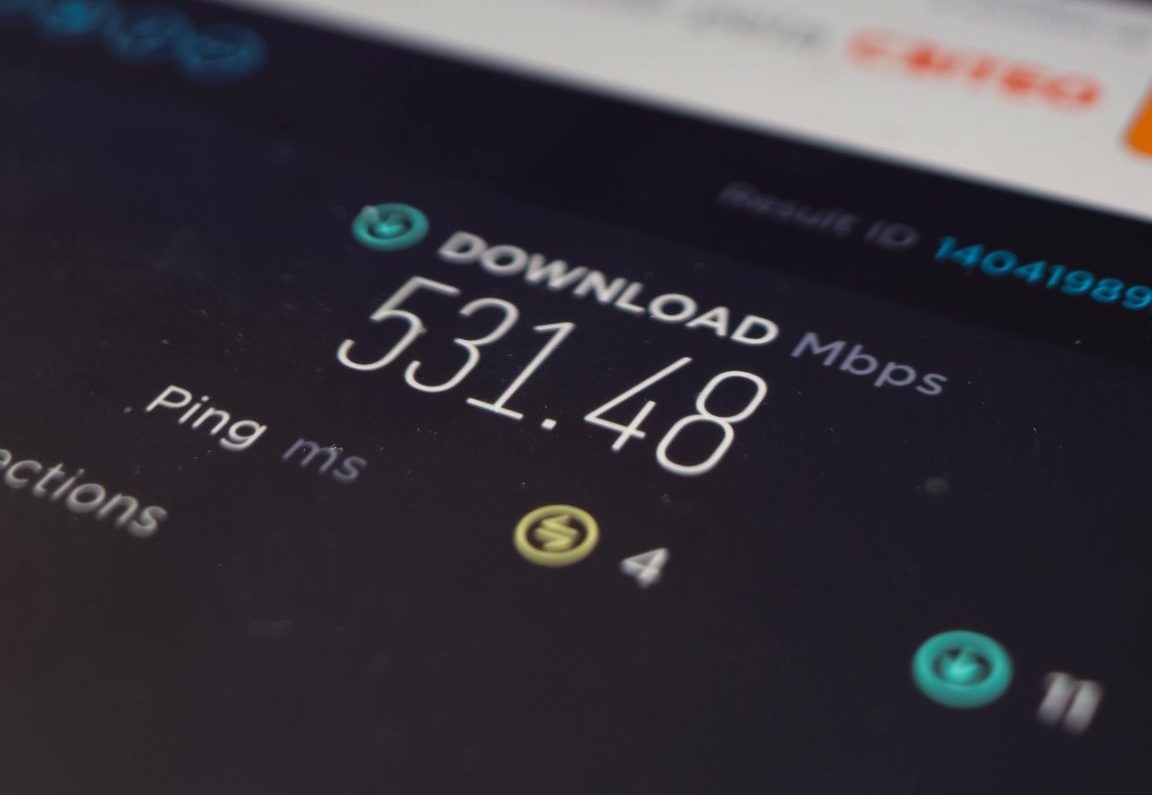
Bundling internet with TV or phone can lower your bill, but not always. Compare the bundle price to each service separately to see the true value, and cut costs further by dropping features or channels you rarely use.
Upgrading Equipment for Efficiency
Modern plans can still feel slow if you’re using an outdated modem or router. Newer equipment supports higher speeds and more devices efficiently, so upgrading is often worth it. While providers will lease hardware for a monthly fee, buying your own is usually cheaper over time, depending on the device.
Monitoring Data Usage
Some plans include data limits, which can lead to extra charges. Tracking your monthly usage helps you avoid surprises and stay within your allowance. Alerts and provider dashboards give you ongoing insight so you can adjust your habits and prevent unnecessary costs.
Understanding Data Caps
Some internet plans include data caps, which limit the data you can use each month. If you exceed this limit, providers may charge overage fees, slow your speeds, or temporarily restrict your connection. Knowing whether your plan has a cap and how overage fees work helps you avoid surprise charges.
Using Provider Tools
Most providers offer tools like online dashboards, mobile apps, or usage alerts to help you track your monthly data. These tools show how much data you’ve used, your remaining allowance, and when you’re close to your limit. Regularly checking them makes it easier to adjust your habits and stay within your data cap.
Eliminating Unnecessary Add-Ons
Internet plans often have additional services like security suites or cloud storage attached to them as a package. Removing those features, if they are not being utilized, can reduce the bill. There are plenty of free or lower-cost alternatives, and checking the monthly statement for any optional charges is a quick way to save.
Taking Advantage of Loyalty Programs
Many providers offer incentives or bonuses to long‑term customers. By enrolling in these loyalty programs, you may receive periodic discounts, upgrades, or waived fees. Checking regularly for new offers helps ensure you’re getting the maximum value from your years of service.
Checking for Community Programs
In some areas, eligible residents can get internet at reduced rates. These programs help students, seniors, and low‑income households access reliable connections at a lower cost. Local organizations or government offices may also provide extra assistance or resources to cut expenses further.
Government Assistance Programs
Federal and state programs can reduce monthly internet bills for eligible households through subsidies or credits. These initiatives often support low‑income families, students, and seniors. Checking official websites or speaking with your provider can help you find and apply for assistance.
Local Nonprofit and ISP Initiatives
Local nonprofits, schools, and community groups sometimes partner with ISPs to offer discounted or free internet. Many providers also run low‑cost plans for qualifying residents. Community organizations and provider websites can help you uncover these options and reduce your expenses.
Sharing Costs With Housemates

If a household is shared, splitting a more expensive plan can provide faster speeds for everyone at a lower cost than paying individually. Clearly organizing payments and responsibilities ensures fairness and keeps the service affordable. With good communication, no one is overburdened, and everyone benefits from a better connection.
Being Flexible With Speed Requirements
Not every household needs the fastest connection. Check whether a slightly lower speed tier still fits your daily needs and saves money. Instead of paying for unused capacity, pick the plan that best matches your actual usage.
Conclusion
You can get better deals without sacrificing speed or reliability. Households can obtain quality connectivity at lower prices by recognizing real needs, scouting for offers, and monitoring the situation. By taking a proactive approach, costs can be kept in check while never compromising on the speedy connection everyone loves.