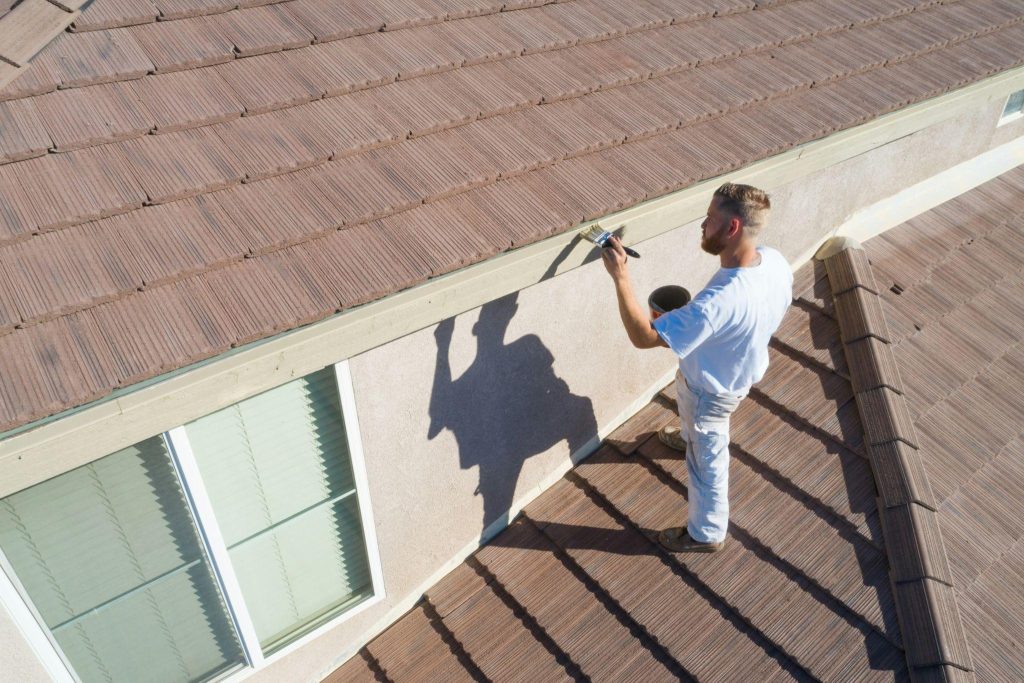
For many homeowners, roof replacement is one of the most expensive repairs they may ever face. It is also one of the most misunderstood areas of homeowners insurance. While many policies do cover roof replacement under specific circumstances, getting insurance to actually pay for it in 2025 requires understanding your policy, documenting damage correctly, and following the claims process carefully.
This guide explains exactly how to get insurance to pay for roof replacement, what insurers look for when reviewing claims, and how to avoid common mistakes that lead to denials or underpayments.
Does Homeowners Insurance Cover Roof Replacement?
Homeowners insurance generally covers roof replacement only when damage is caused by a covered peril. Covered perils typically include wind, hail, fire, lightning, and falling debris such as tree limbs. Insurance does not cover roof replacement caused by normal aging, wear and tear, improper installation, or lack of maintenance.
Another key factor is how your policy calculates payouts. Policies with Replacement Cost Value (RCV) coverage reimburse the full cost of replacing the roof, minus the deductible. Policies with Actual Cash Value (ACV) coverage factor in depreciation, which can significantly reduce the payout for older roofs. Knowing which type you have sets realistic expectations from the start.
Step 1: Review Your Insurance Policy Before Filing
Before contacting your insurance company, review your policy documents carefully.
What to Look for in Your Policy
Pay close attention to roof exclusions, deductibles, endorsements, and age-related limitations. Some policies reduce coverage once a roof reaches a certain age or require special endorsements for full replacement coverage.
Why Policy Language Matters
Insurance policies rely on precise definitions of “damage” and “loss.” Claims are approved based on those definitions, not assumptions. Understanding this language helps you frame your claim correctly from the beginning.
Step 2: Document Roof Damage Properly
Strong documentation is one of the most important factors in claim approval.
What to Photograph and Record
Take clear photos and videos of:
- Missing, lifted, or cracked shingles
- Hail impacts or wind damage
- Damaged flashing, vents, or gutters
- Interior signs such as leaks or ceiling stains
If possible, document the date and type of storm that caused the damage. Insurance companies look for evidence that damage was sudden and accidental.
Why Timing Is Critical
Most insurers require claims to be filed within a defined time window after the damaging event. Delays can lead to denial, even if the damage is legitimate.
Step 3: Get a Professional Roof Inspection
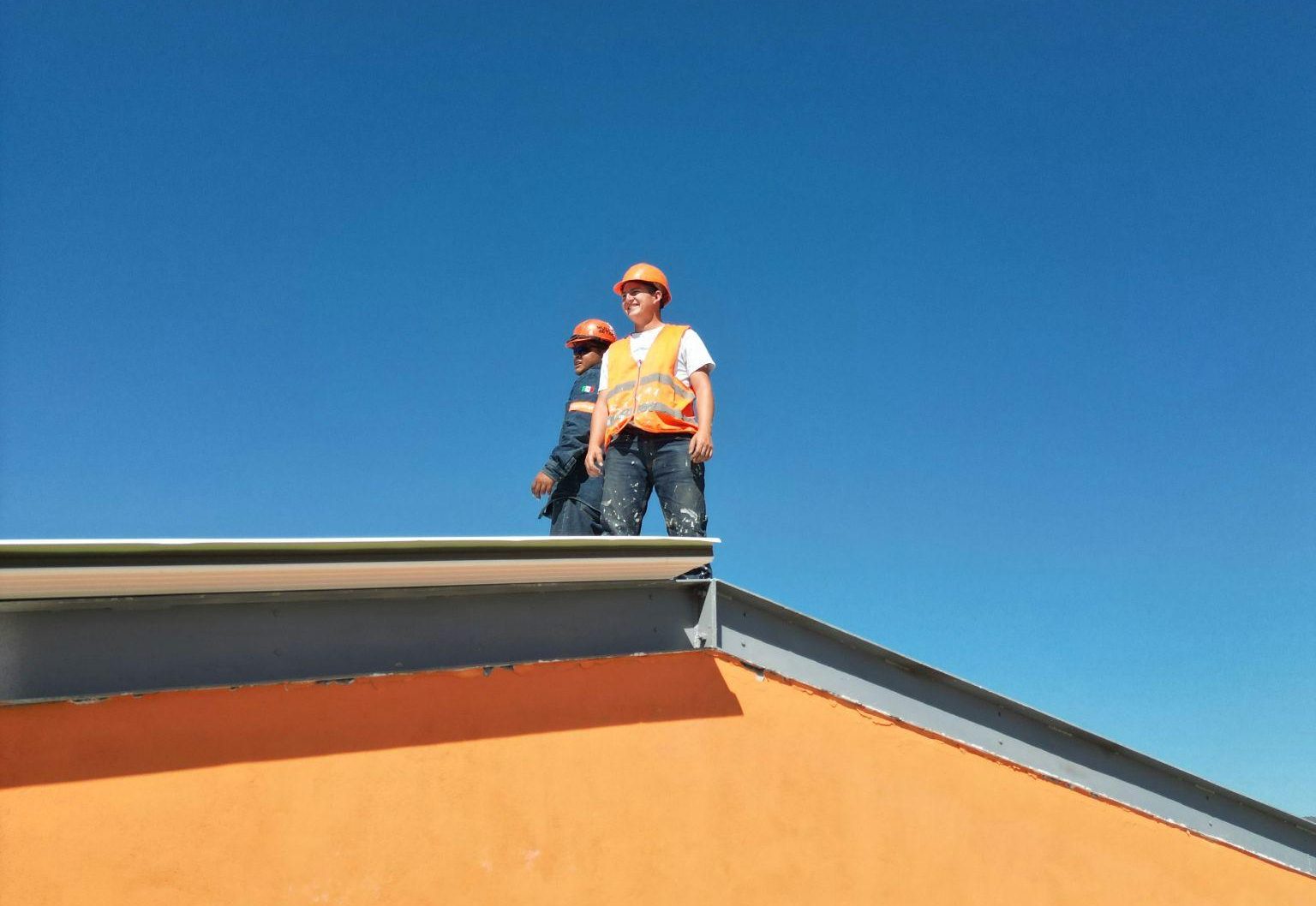
Relying solely on an insurance adjuster’s inspection can be risky, especially when damage is widespread or subtle.
Roofing and construction professionals such as Cobex Construction Group help homeowners identify storm-related roof damage and document findings clearly, which can strengthen an insurance claim by demonstrating that the damage resulted from a covered event rather than long-term wear.
Step 4: File the Insurance Claim Correctly
Once documentation is complete, file the claim with your insurer.
What Information to Submit
Submit photos, inspection findings, storm dates, and a factual description of the damage. Stick to documented evidence and avoid speculation.
What Not to Say
Avoid statements that suggest the roof failed due to age or neglect. Insurers may use those statements to deny coverage.
Step 5: Meet the Insurance Adjuster
When the insurance adjuster schedules an inspection, try to be present.
Preparing for the Inspection
Have all documentation ready and ensure the adjuster inspects the entire roof, not just easily visible areas.
Watch for Red Flags
Quick inspections, partial approvals, or minimal line items can indicate an incomplete assessment.
Step 6: Review the Insurance Estimate Carefully
Initial insurance estimates are often incomplete.
Identify Missing or Underpriced Items
Look for missing components such as underlayment, flashing, ventilation, drip edge, or code-required upgrades. Labor rates may also be underestimated.
Insurance estimates frequently require supplements. Companies like Cobex Construction Group often assist homeowners in reviewing insurance estimates and preparing supplemental documentation so the approved scope more accurately reflects the true cost of a full roof replacement.

Step 7: What to Do If Your Claim Is Denied or Underpaid
A denial or underpayment does not always mean the claim is over.
Request a Re-Inspection
If new documentation or professional findings are available, you can request a re-inspection.
File a Supplement or Appeal
Additional evidence, inspection reports, and detailed scope explanations can result in revised approvals.
Step 8: Schedule Roof Replacement After Approval
Once the claim is approved, you can move forward with replacement.
Choosing the Right Contractor
Homeowners are not required to use an insurance-recommended contractor. You have the right to choose a qualified professional you trust.
Coordinating Payments
Insurance payments are often issued in stages. Make sure invoices and completion documentation are submitted promptly to avoid delays.
Common Mistakes That Get Roof Claims Denied
Some of the most common mistakes include:
- Waiting too long to file a claim
- Failing to document storm damage properly
- Accepting the first insurance estimate without review
- Admitting damage was due to age or wear
Avoiding these mistakes significantly improves claim outcomes.
Frequently Asked Questions
Will filing a roof claim raise my premiums?
Not necessarily. Premium changes depend on claim history and regional risk factors.
Can insurance deny a roof because of age?
Yes. Older roofs may receive reduced payouts or be excluded without specific endorsements.
What if only part of the roof is approved?
Partial approvals can sometimes be challenged with additional documentation.
How long does the claims process take?
Timelines vary, but thorough documentation helps speed resolution.
Final Thoughts
Getting insurance to pay for roof replacement is not automatic. In 2025, insurers expect clear proof of storm-related damage, timely reporting, and accurate documentation. Homeowners who understand their policy, document damage carefully, and seek professional support are far more likely to receive fair coverage.
By approaching the process methodically and advocating for yourself at each step, you significantly improve your chances of having insurance cover the cost of a necessary roof replacement.