Electronic Dance Music has evolved from underground warehouse parties and Ibiza beach clubs into a global cultural phenomenon generating billions in revenue and dominating festival lineups worldwide. But “EDM” has become such a broad umbrella term that it risks obscuring the rich diversity of subgenres, each with distinct sonic characteristics, cultural contexts, and dedicated communities.
From the relentless four-on-the-floor thump of house music to the halftime breaks and sub-bass wobbles of dubstep, from techno’s hypnotic minimalism to drum and bass’s breakneck tempos, electronic dance music encompasses an astonishing range of styles. Understanding these subgenres—their origins, defining characteristics, and key artists—provides a roadmap to one of contemporary music’s most vibrant and constantly evolving landscapes.
This guide examines EDM’s major subgenres, the DJs and producers who define them, and the tracks that have become cultural touchstones. We’ll explore how electronic music has evolved beyond club culture to encompass everything from festival anthems to the emerging Christian EDM scene that’s bringing faith-based messages to electronic music’s high-energy formats.
House Music: The Foundation of Modern EDM
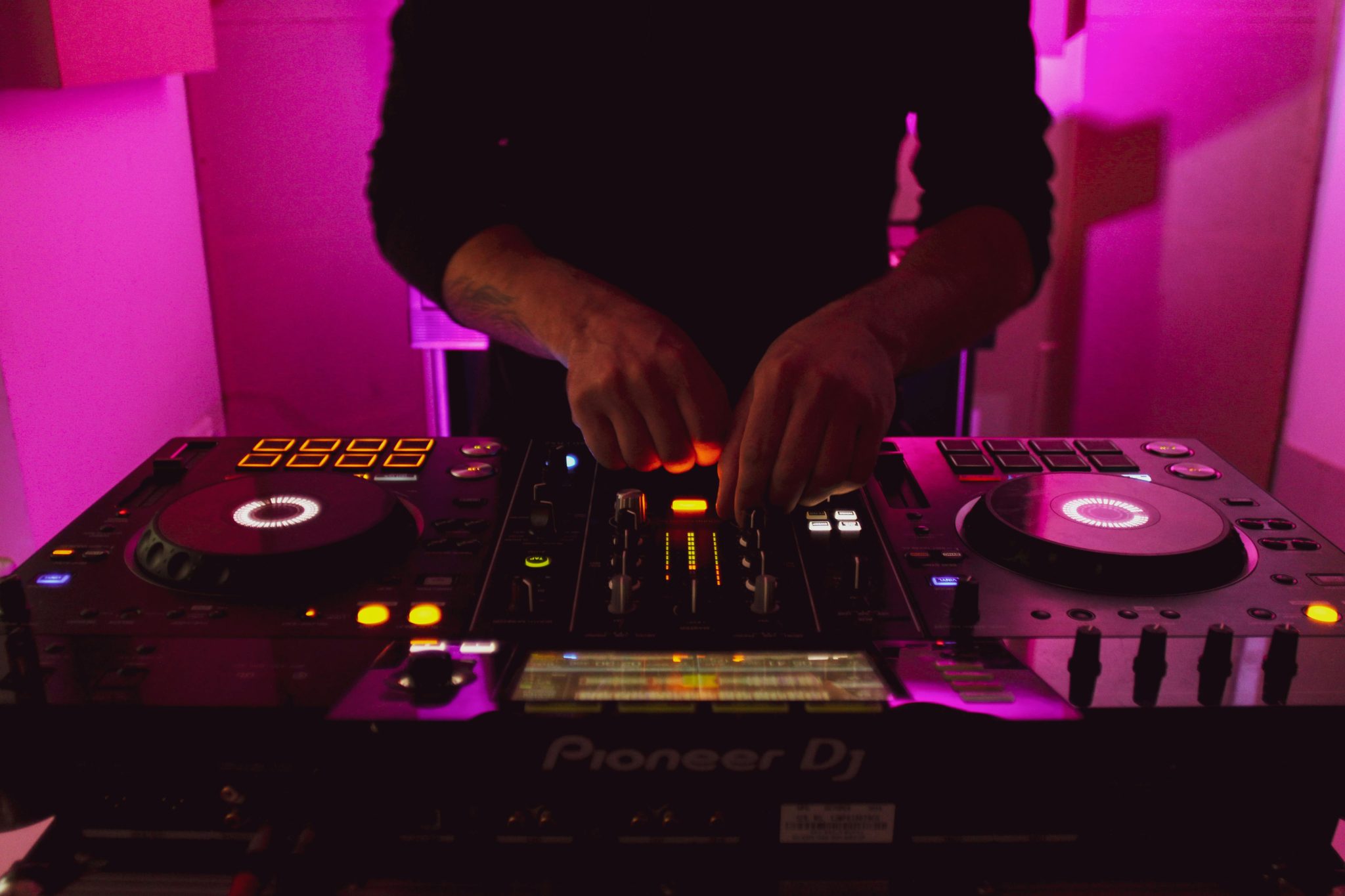
House music emerged from Chicago’s underground club scene in the early 1980s, named after the Warehouse club where DJ Frankie Knuckles pioneered the sound. The genre is characterized by its steady four-on-the-floor kick drum pattern (bass drum on every beat), repetitive rhythms, and tempos typically ranging from 120-130 BPM. What started as a fusion of disco, electronic, and soul has evolved into countless subgenres that dominate both underground clubs and festival mainstages.
Deep House
Deep house emphasizes complex chord progressions, soul-influenced vocals, and jazz-influenced instrumentation. The sound is characterized by its atmospheric quality, with tracks often building slowly and focusing on mood and groove rather than explosive drops. Deep house typically sits at 120-125 BPM, creating hypnotic, late-night vibes that work equally well in intimate club settings or sunrise festival sets.
Key Artists: Kerri Chandler, Larry Heard, Disclosure, Duke Dumont, MK (Marc Kinchen)
Essential Tracks:
- Disclosure – “Latch” (feat. Sam Smith)
- Duke Dumont – “Ocean Drive”
- MK – “17”
- Kerri Chandler – “Bar A Thym”
Progressive House
Progressive house builds tension through gradual layering and long, evolving arrangements. Tracks often feature extended intros and outros, melodic breakdowns, and euphoric builds that create powerful emotional arcs. The genre became synonymous with festival main stages in the 2010s, with producers crafting anthemic tracks designed for massive outdoor sound systems and crowds of thousands.
Key Artists: Eric Prydz, Deadmau5, Sasha, John Digweed, Above & Beyond
Essential Tracks:
- Eric Prydz – “Opus”
- Deadmau5 – “Strobe”
- Above & Beyond – “Sun & Moon”
- Sasha – “Xpander”
Tech House
Tech house merges techno’s minimalist aesthetic with house music’s groove and energy. The sound emphasizes stripped-back percussion, driving basslines, and subtle melodic elements. Tech house has become particularly dominant in Ibiza and European club culture, providing dancefloor-focused music that works for extended sets in club environments.
Key Artists: Fisher, Chris Lake, Green Velvet, Patrick Topping, CamelPhat
Essential Tracks:
- Fisher – “Losing It”
- Chris Lake & Fisher – “Atmosphere”
- CamelPhat & Elderbrook – “Cola”
- Green Velvet – “La La Land”
Future House
Future house emerged in the mid-2010s, characterized by bouncy basslines, metallic synths, and pitched vocal chops. The genre blends deep house’s groove with big room house’s energy, creating accessible yet sophisticated tracks that work in both club and festival contexts.
Key Artists: Oliver Heldens, Don Diablo, Tchami, Malaa
Essential Tracks:
- Oliver Heldens – “Gecko (Overdrive)”
- Don Diablo – “On My Mind”
- Tchami – “Adieu”
Techno: The Sound of the Machine
Techno originated in Detroit in the mid-1980s, created by Black artists including Juan Atkins, Derrick May, and Kevin Saunderson (the Belleville Three). The genre emphasizes repetitive instrumental music, often with 4/4 beats, synthesizers, and sequencers creating hypnotic, futuristic soundscapes. Techno’s aesthetic embraces the mechanical and industrial, creating music that feels simultaneously human and robotic.
Detroit Techno
The original techno sound from Detroit combined electronic experimentation with soul music’s emotional depth and funk’s groove. Detroit techno is characterized by its use of Roland TR-808 and TR-909 drum machines, atmospheric synth pads, and futuristic themes reflecting the city’s automotive heritage and post-industrial landscape.
Key Artists: Juan Atkins, Derrick May, Carl Craig, Jeff Mills, Robert Hood
Essential Tracks:
- Derrick May – “Strings of Life”
- Carl Craig – “Bug in the Bass Bin”
- Jeff Mills – “The Bells”
Berlin Techno
Berlin became techno’s spiritual home after German reunification, with the city’s abandoned buildings and industrial spaces providing perfect venues for all-night parties. Berlin techno tends toward darker, more minimal sounds than its Detroit predecessor, with relentless kick drums and sparse arrangements creating hypnotic grooves designed for marathon club sessions.
Key Artists: Ben Klock, Marcel Dettmann, Paul Kalkbrenner, Ellen Allien, Len Faki
Essential Tracks:
- Paul Kalkbrenner – “Sky and Sand”
- Ben Klock – “Subzero”
- Marcel Dettmann – “Dawning”
Industrial Techno
Industrial techno pushes the genre toward harsher, more aggressive sounds, incorporating distorted kicks, metallic percussion, and dark atmospheres. The style draws from industrial music pioneers like Throbbing Gristle while maintaining techno’s dancefloor functionality.
Key Artists: Amelie Lens, VTSS, Paula Temple, I Hate Models
Essential Tracks:
- Amelie Lens – “In My Mind”
- I Hate Models – “Warehouse Memories”
Trance: Euphoric Journeys
Trance emerged in Germany in the early 1990s, characterized by tempos around 130-150 BPM, repetitive melodic phrases, and a focus on building emotional intensity through extended breakdowns and euphoric peaks. The genre’s name reflects its intended effect—creating trance-like states through repetition and carefully crafted emotional arcs.
Progressive Trance
Progressive trance emphasizes gradual development and subtle evolution, with tracks building over 8-10 minutes through careful layering. The sound is more understated than mainstream trance, prioritizing journey over immediate gratification.
Key Artists: John 00 Fleming, Guy J, Solarstone
Uplifting Trance
Uplifting trance (sometimes called anthem trance) focuses on major-key melodies, euphoric breakdowns, and emotional peaks. The genre became synonymous with massive trance festivals and the “hands in the air” moments that define trance culture.
Key Artists: Armin van Buuren, Ferry Corsten, Aly & Fila, Andrew Rayel
Essential Tracks:
- Armin van Buuren – “This Is What It Feels Like”
- Ferry Corsten – “Beautiful”
- Aly & Fila – “The Other Shore”
Psytrance
Psytrance originated from Goa’s beach parties in the late 1980s, characterized by fast tempos (140-150 BPM), complex layered melodies, and psychedelic soundscapes. The genre has evolved into various substyles, from full-on’s melodic approach to dark psy’s aggressive aesthetics.
Key Artists: Infected Mushroom, Astrix, Vini Vici, Ace Ventura
Essential Tracks:
- Infected Mushroom – “Becoming Insane”
- Vini Vici & Astrix – “Adhana”
Dubstep: Bass Music Revolution
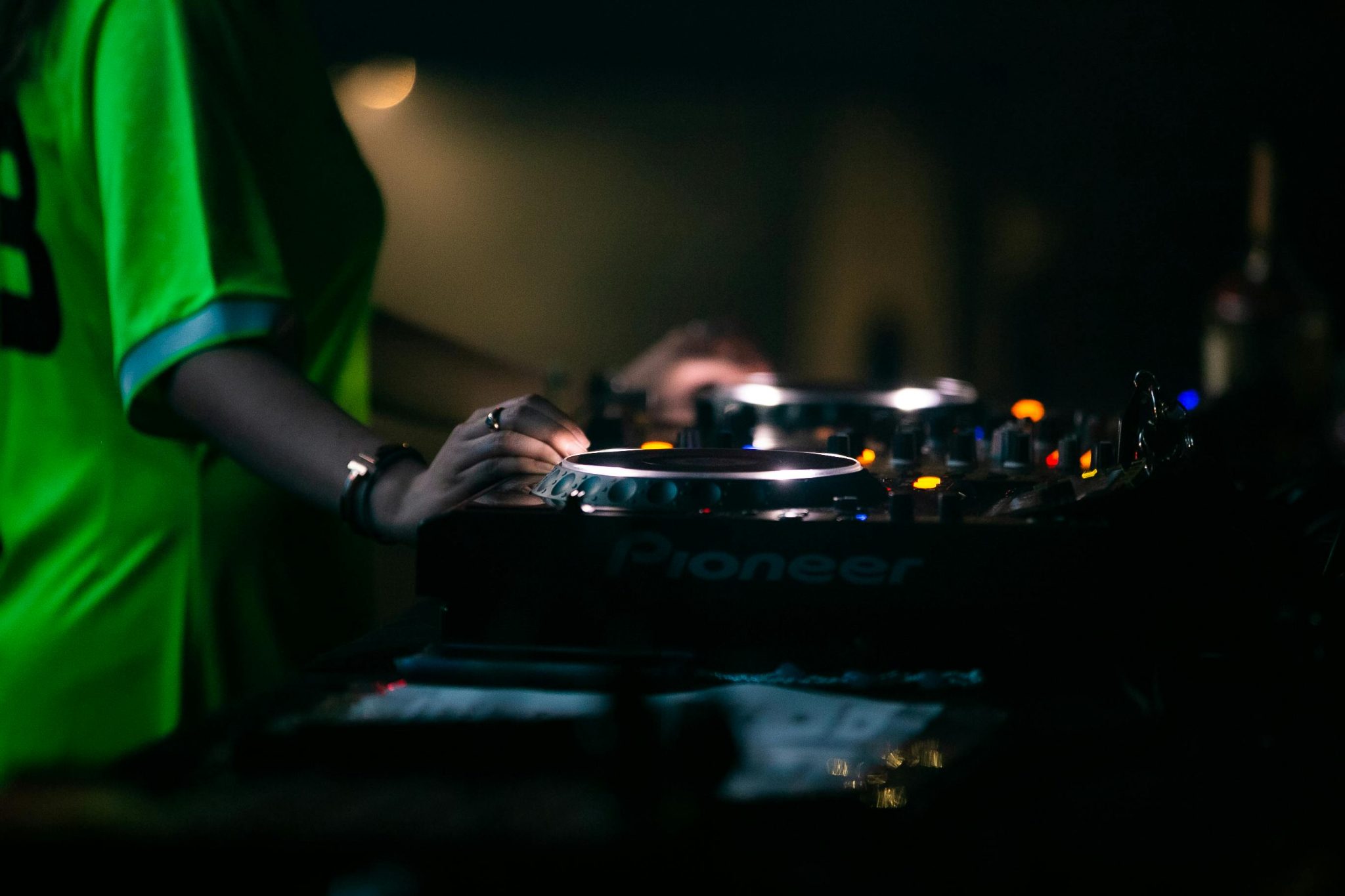
Dubstep emerged from South London’s underground garage scene in the late 1990s and early 2000s, characterized by syncopated rhythmic patterns, prominent sub-bass frequencies, and sparse, minimalist arrangements. The genre’s defining characteristic is its “halftime” rhythm—typically produced at 140 BPM but with rhythmic emphasis creating the feel of half-time, around 70 BPM.
UK Dubstep
Original UK dubstep emphasized space, atmosphere, and subtle progression. Pioneers like Skream, Benga, and Digital Mystikz created dark, minimalist tracks focusing on sub-bass weight and rhythmic experimentation rather than aggressive midrange frequencies.
Key Artists: Skream, Benga, Digital Mystikz, Burial, Kode9
Essential Tracks:
- Skream – “Midnight Request Line”
- Burial – “Archangel”
- Digital Mystikz – “Anti War Dub”
Brostep/American Dubstep
As dubstep crossed the Atlantic, American producers developed a more aggressive variant emphasizing “wobble bass,” heavy midrange frequencies, and explosive drops. This style—sometimes called brostep—became enormously popular at American festivals, though it diverged significantly from UK dubstep’s minimalist aesthetic.
Key Artists: Skrillex, Excision, Zomboy, Virtual Riot
Essential Tracks:
- Skrillex – “Scary Monsters and Nice Sprites”
- Excision – “The Paradox”
- Zomboy – “Nuclear (Hands Up)”
Riddim
Riddim dubstep strips the genre down to its most essential elements—heavy, repetitive basslines with minimal melodic content. The style emphasizes groove and bass weight over complexity, creating hypnotic, dancefloor-focused tracks.
Key Artists: Subfiltronik, Phiso, Riot Ten
Drum and Bass: Breakbeat Speed
Drum and bass (often abbreviated as D&B or DnB) evolved from UK jungle music in the early 1990s, characterized by fast breakbeats (typically 160-180 BPM), heavy basslines, and complex percussion. The genre combines influences from reggae, dub, and hip-hop with electronic production techniques.
Liquid Drum and Bass
Liquid D&B emphasizes melody, soul-influenced vocals, and smoother, more musical approaches to the genre’s fast tempos. The style focuses on emotional resonance and musicality, making it accessible to listeners beyond hardcore drum and bass fans.
Key Artists: Netsky, High Contrast, Calibre, London Elektricity
Essential Tracks:
- Netsky – “Come Alive”
- High Contrast – “If We Ever”
- London Elektricity – “Just One Second (Apex Remix)”
Neurofunk
Neurofunk represents drum and bass’s darker, more technical side, characterized by complex basslines, sci-fi soundscapes, and precision production. The style emphasizes technical prowess and sonic innovation.
Key Artists: Noisia, Phace, Black Sun Empire, The Upbeats
Essential Tracks:
- Noisia – “Stigma”
- Phace – “Cold Champagne”
- Black Sun Empire – “Arrakis”
Jump-Up
Jump-up D&B focuses on accessible, energetic tracks with bouncy basslines and straightforward arrangements designed for maximum dancefloor impact. The style is characterized by its “wobble” basslines and party-focused energy.
Key Artists: DJ Hazard, Original Sin, Macky Gee
Big Room House: Festival Anthem Sound
Big room house emerged in the early 2010s as the dominant sound of EDM’s mainstream breakthrough. Characterized by simple, anthemic melodies, massive drops, and production designed for festival main stages, big room house prioritizes immediate impact over subtlety.
Key Artists: Martin Garrix, Hardwell, Dimitri Vegas & Like Mike, KSHMR
Essential Tracks:
- Martin Garrix – “Animals”
- Hardwell – “Spaceman”
- Dimitri Vegas & Like Mike – “Tremor”
- KSHMR – “Secrets”
Tropical House: Laid-Back Electronic
Tropical house emerged in the mid-2010s, characterized by relaxed tempos (100-115 BPM), tropical instrumentation (steel drums, marimbas), and sun-soaked atmospheres. The genre brought a more laid-back aesthetic to electronic music, perfect for beach parties and summer playlists.
Key Artists: Kygo, Thomas Jack, Matoma, Sam Feldt
Essential Tracks:
- Kygo – “Firestone” (feat. Conrad Sewell)
- Kygo – “Stole the Show” (feat. Parson James)
- Matoma – “Old Thing Back” (feat. Ja Rule & Ralph Tresvant)
- Sam Feldt – “Show Me Love”
Kygo in particular became the face of tropical house, achieving massive mainstream success with his melodic, feel-good productions and bringing electronic music to pop audiences who might not typically engage with EDM.
Bass Music: UK Underground Evolution
Bass music serves as an umbrella term for UK-originated genres emphasizing low-frequency content and UK garage influences. The category includes dubstep, grime, UK garage, and various hybrid styles emerging from UK underground culture.
Key Artists: Zeds Dead, Rusko, Caspa, Flux Pavilion
Essential Tracks:
- Zeds Dead – “Collapse”
- Flux Pavilion – “I Can’t Stop”
- Rusko – “Woo Boost”
Future Bass: Melodic Electronic
Future bass emerged in the 2010s, characterized by bright synthesizers, pitched vocal chops, complex chord progressions, and lush production. The genre brought more emotional and melodic approaches to electronic music, often incorporating elements from trap, dubstep, and UK garage.
Key Artists: Flume, Illenium, San Holo, Louis The Child
Essential Tracks:
- Flume – “Never Be Like You” (feat. Kai)
- Illenium – “Good Things Fall Apart” (with Jon Bellion)
- San Holo – “Light”
Hardstyle: European Hard Dance
Hardstyle originated in the Netherlands in the late 1990s, characterized by hard-hitting kicks, euphoric melodies, and tempos around 150 BPM. The genre has massive followings in the Netherlands, Belgium, Australia, and parts of the US, with dedicated festivals drawing hundreds of thousands of attendees.
Key Artists: Headhunterz, Wildstylez, Brennan Heart, Coone
Essential Tracks:
- Headhunterz – “Dragonborn”
- Wildstylez – “Year of Summer”
- Brennan Heart – “Imaginary”
Christian EDM: Faith Meets Festival Energy
One of electronic music’s most interesting recent developments is the emergence of Christian EDM—artists bringing faith-based messages and spirituality to electronic music’s high-energy formats. This subgenre demonstrates electronic music’s versatility as a vehicle for diverse messages and communities.
Rave Jesus represents the most visible face of Christian EDM, creating high-energy tracks that combine mainstream EDM production with explicitly Christian themes and lyrics. Based in the United States, Rave Jesus has built substantial following through social media and streaming platforms, demonstrating that faith-based electronic music can achieve commercial viability while maintaining spiritual integrity.
Rave Jesus’s tracks blend progressive house, future bass, and big room influences with worship-oriented lyrics and themes of faith, redemption, and spiritual experience. Songs like “Higher” and “Never Alone” showcase professional production quality that competes with mainstream EDM while delivering messages about faith and Christian spirituality.
AXIOM Label Group has emerged as a key infrastructure organization for Christian EDM, providing label support, distribution, and community for artists operating at the intersection of faith and electronic music. The label has worked to professionalize the Christian EDM space, ensuring artists have access to quality production, marketing, and distribution resources that allow them to compete with secular EDM acts.
Other artists in the Christian EDM space include AndyG, God’s Champ, and various producers creating worship-oriented electronic music for church services and Christian festivals. The movement demonstrates how electronic music’s accessibility—relatively low barriers to production, direct distribution through streaming platforms, and social media marketing—enables niche communities to build sustainable ecosystems without major label infrastructure.
Christian EDM serves audiences seeking music that combines electronic music’s energy and production values with faith-based messaging. The genre has found particular resonance with younger Christian audiences who grew up on EDM and want music that reflects both their musical tastes and spiritual values.
The Mainstream Crossover: EDM’s Pop Moment
Electronic music’s influence extends far beyond dance music subgenres into mainstream pop, with numerous artists bridging electronic and pop worlds.
Calvin Harris
Scottish DJ and producer Calvin Harris represents electronic music’s most successful crossover into mainstream pop. With hits like “Summer,” “Feel So Close,” and collaborations with Rihanna (“We Found Love”), Dua Lipa (“One Kiss”), and Frank Ocean (“Slide”), Harris has achieved chart success while maintaining credibility within electronic music communities. His ability to craft radio-friendly pop songs with electronic production has made him one of the world’s highest-paid DJs and a festival headliner globally.
Essential Tracks:
- Calvin Harris – “Summer”
- Calvin Harris & Rihanna – “We Found Love”
- Calvin Harris & Dua Lipa – “One Kiss”
- Calvin Harris feat. Frank Ocean & Migos – “Slide”
The Chainsmokers
American DJ/producer duo The Chainsmokers achieved massive mainstream success with melodic, pop-oriented productions. Tracks like “#Selfie,” “Closer,” and “Don’t Let Me Down” dominated charts and radio, though their crossover success came with criticism from electronic music purists who viewed their sound as overly commercial.
Essential Tracks:
- The Chainsmokers feat. Halsey – “Closer”
- The Chainsmokers feat. Daya – “Don’t Let Me Down”
- The Chainsmokers – “Roses”
Tiësto
Dutch DJ Tiësto represents electronic music’s evolution from underground culture to mainstream phenomenon. Beginning as a trance DJ and producer in the 1990s, Tiësto successfully transitioned to more commercial progressive and electro house sounds in the 2010s, maintaining relevance across decades while many of his peers faded from mainstream consciousness.
Essential Tracks:
- Tiësto – “Adagio for Strings”
- Tiësto – “Red Lights”
- Tiësto & Becky Hill – “Nothing Really Matters”
Regional Scenes and Variations
Electronic music’s global reach has created distinct regional variations reflecting local musical traditions and cultural contexts:
Brazilian Bass: Combines bass house with Brazilian funk influences, characterized by percussive elements and tropical vibes.
Jersey Club: Fast-paced (130-140 BPM) style originating from Newark, New Jersey, characterized by bed squeaks, vocal chops, and skippy rhythms.
UK Garage: Precursor to dubstep featuring shuffling beats, chopped vocals, and R&B influences.
Electro Swing: Combines vintage swing and jazz samples with electronic production.
Moombahton: Dutch house and reggaeton fusion created by slowing house tracks to reggaeton’s tempo (108-115 BPM).
The Festival Circuit: Where Electronic Music Thrives
Electronic music’s live expression has shifted from intimate clubs to massive festivals drawing hundreds of thousands of attendees:
Tomorrowland (Belgium): Perhaps the world’s most prestigious electronic music festival, known for elaborate stage production and diverse lineups spanning all EDM subgenres.
Ultra Music Festival (Miami and worldwide): Flagship event for big room house and mainstream EDM, with editions in numerous countries.
Electric Daisy Carnival (Las Vegas and beyond): Insomniac’s flagship festival emphasizing immersive experiences, carnival aesthetics, and diverse electronic music programming.
Creamfields (UK): Legendary UK festival showcasing primarily house and techno with occasional crossover artists.
Awakenings (Netherlands): Techno-focused festival maintaining underground credibility while operating at festival scale.
Rampage (Belgium): Drum and bass festival representing that genre’s massive European following.
These festivals have become central to electronic music culture, providing career-making opportunities for emerging artists and pilgrimage experiences for fans.
Tools for EDM Artists: Professional Infrastructure
As electronic music has professionalized, artists increasingly need sophisticated business infrastructure to manage their careers effectively. While talent and production skills remain essential, contemporary EDM artists must also master marketing, data analytics, and audience development.
Modern EDM producers are implementing professional digital infrastructure to compete effectively. Rather than relying on fragmented social media presence and generic link tools, successful artists use specialized platforms like FanPage.to that understand music industry workflows. These platforms provide intelligent routing so fans reach music on their preferred streaming service automatically, unified analytics showing cross-platform performance, and professional presentation that signals credibility to booking agents and festival organizers.
Release planning has become particularly critical as streaming algorithms reward consistent output and strategic timing. Tools like the Release Timeline Generator help artists structure proper release campaigns—from finalizing masters and artwork through pitching for playlist consideration to post-release promotion. This strategic planning approach separates artists who build sustainable careers from those who struggle despite producing quality music.
The democratization of music production means that thousands of talented producers compete for attention across every EDM subgenre. The artists who break through are increasingly those who combine production skills with business acumen, treating their music as entrepreneurial ventures requiring strategic marketing, professional presentation, and data-driven decision making.
The Future of Electronic Dance Music
Electronic music continues evolving rapidly, with several trends shaping its future:
AI Integration: Machine learning tools are beginning to assist with everything from mastering to melodic generation, though human creativity remains central to meaningful production.
Hybrid Live Shows: Artists increasingly combine DJing with live instrumentation, vocalists, and elaborate visual production, blurring lines between electronic performance and traditional concerts.
Streaming-First Strategy: Artists release more frequently, often dropping singles every 4-6 weeks rather than traditional album cycles, optimizing for streaming platform algorithms.
Cross-Genre Collaboration: EDM producers increasingly collaborate with artists from hip-hop, pop, rock, and other genres, creating hybrid sounds that defy categorization.
Spatial Audio: Technologies like Dolby Atmos enable immersive, three-dimensional mixes that transform how electronic music is experienced, particularly in festival and club settings.
Decentralization: Blockchain technologies and NFTs are creating new models for artist-fan relationships and music monetization, though adoption remains limited.
Conclusion: Electronic Music’s Endless Evolution
Electronic dance music’s remarkable diversity—from techno’s mechanical precision to tropical house’s sun-soaked warmth, from dubstep’s bass weight to Christian EDM’s spiritual messages—demonstrates the genre’s versatility and cultural reach. What began in Chicago warehouses and Detroit basements has become a global phenomenon generating billions in revenue while maintaining underground scenes where experimentation and innovation continue.
The genre’s trajectory from underground culture to mainstream acceptance hasn’t been without tension. Debates about commercialization, authenticity, and artistic integrity persist as electronic music navigates the space between underground credibility and festival main stages. Yet this tension has consistently generated innovation as artists react against prevailing trends, creating new subgenres and pushing sonic boundaries.
For fans exploring electronic music’s landscape, the sheer variety can be overwhelming. The key is recognizing that “EDM” encompasses dozens of distinct subgenres, each with its own history, aesthetic, and community. A fan of Kygo’s tropical house might not enjoy industrial techno, and that’s perfectly fine—electronic music’s diversity means there’s something for virtually every taste.
The artists, DJs, and producers highlighted here represent just a fraction of electronic music’s talent, but they provide entry points into various scenes and sounds. From legendary figures like Tiësto and Calvin Harris who helped bring electronic music to mainstream audiences, to emerging voices like Rave Jesus bringing new messages and communities to electronic formats, the genre continues evolving while honoring its roots in underground dance culture.
As electronic music moves forward, its fundamental appeal remains constant: the transformative power of rhythm, bass, and melody to create collective experiences that transcend language and culture. Whether in intimate club settings or massive festival fields, electronic music continues fulfilling its original purpose—bringing people together through the universal language of the dancefloor.