As housing needs continue to evolve, many homeowners are asking a simple but important question: what is an ADU home? ADU stands for Accessory Dwelling Unit, and it refers to a secondary, self-contained living space located on the same property as a primary residence. ADUs have become increasingly popular in recent years as cities look for flexible housing solutions and homeowners seek new ways to use their property more efficiently.
This guide explains what an ADU home is, the different types of ADUs, why homeowners build them, and how they fit into modern residential development.
What Is an ADU Home?
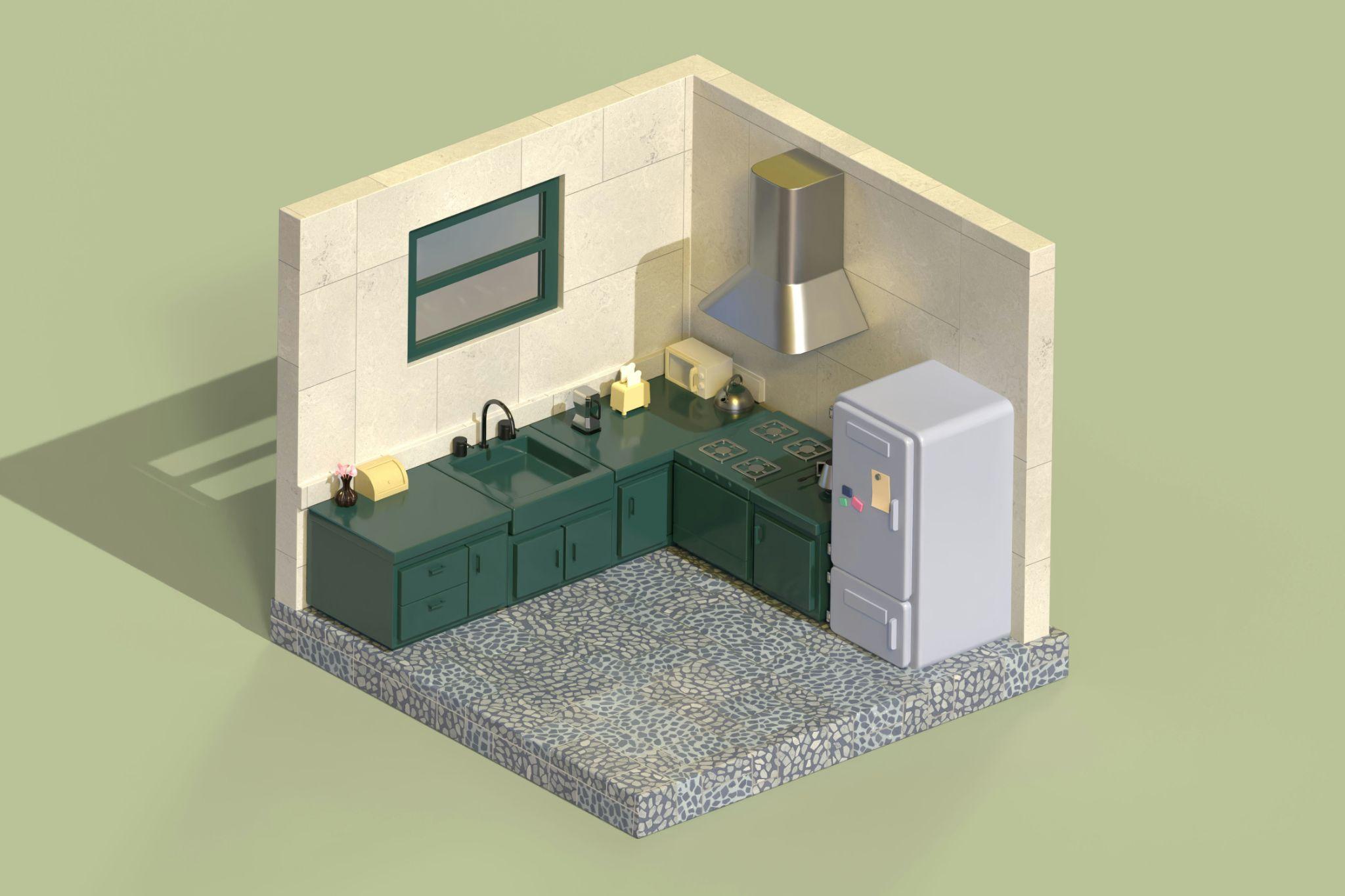
An ADU home is a smaller, independent housing unit built on the same lot as a single-family home. While it shares a property with the main house, an ADU functions as its own living space, typically including a kitchen, bathroom, sleeping area, and separate entrance.
You may also hear ADUs referred to as granny flats, in-law units, backyard cottages, or secondary dwelling units. Regardless of the name, the defining feature is that the unit is accessory to the primary residence rather than a standalone property.
Types of ADU Homes
ADU homes come in several common forms, each suited to different property layouts and homeowner goals.
Detached ADUs
A detached ADU is a freestanding structure, often built in a backyard. These units offer the most privacy and flexibility and are popular for long-term rentals or housing family members.
Attached ADUs
Attached ADUs are connected to the main home, often built as an addition. They maintain proximity to the primary residence while still providing a separate living area.
Garage Conversion ADUs
Many homeowners convert existing garages into ADUs. This option can be more cost-effective since the structure is already in place.
Interior Conversion ADUs
Basements, attics, or large unused areas inside a home can sometimes be converted into ADUs, depending on local building codes.
Why Are ADU Homes So Popular?
The growing interest in ADU homes is driven by a mix of financial, lifestyle, and housing-market factors.
Additional Rental Income
One of the most common reasons homeowners build an ADU is to generate rental income. A well-designed ADU can provide steady cash flow while increasing overall property value.
Multigenerational Living
ADUs offer a practical solution for housing aging parents, adult children, or extended family members while maintaining privacy for everyone.
Increased Property Value
Homes with legal, well-built ADUs are often more attractive to buyers, especially in areas where housing supply is limited.
Housing Flexibility
An ADU can serve multiple purposes over time, such as a guest house, home office, or long-term rental, making it a flexible investment.
How ADU Homes Fit Into Modern Housing Trends
In 2025, ADUs are seen as part of a broader shift toward smarter land use and higher-density housing without changing neighborhood character. Many cities have relaxed zoning rules to allow ADUs as a way to increase housing availability without large apartment developments.
Design-forward approaches have also become more common. For residents in Washington state, architectural firms and developers likeModern Buildings focus on integrating ADUs seamlessly into existing neighborhoods through thoughtful design, efficient layouts, and modern construction techniques that prioritize livability as well as aesthetics.
ADU Regulations and Considerations
While ADUs are more widely permitted than in the past, they are still subject to local regulations. Common factors include:
- Maximum size limits
- Setback requirements
- Height restrictions
- Parking rules
- Utility connections
Because these rules vary significantly by location, homeowners often start by reviewing local guidelines before moving forward.
Planning and Building an ADU Home
Building an ADU involves more than just adding a small structure. The process typically includes planning, design, permitting, and construction, all of which must align with local codes and long-term property goals.
For homeowners in California, companies likeGolden State ADUs specialize in guiding property owners through the ADU process, from early feasibility assessments to final construction, helping ensure that projects meet both regulatory requirements and functional needs.
Is an ADU Home Right for You?
An ADU home can be a smart option if you want to maximize your property’s potential, support family living arrangements, or create a new income stream. However, it’s important to consider factors such as upfront costs, ongoing maintenance, and local regulations before committing to a project.
Taking the time to understand what an ADU home is — and how it fits into your long-term plans — can help you make an informed decision that benefits both your household and your property.
Conclusion
So, what is an ADU home? At its core, it’s a flexible, self-contained living space that expands how a single property can be used. Whether for rental income, family housing, or future resale value, ADUs have become a practical and increasingly common solution in today’s housing market.
With thoughtful planning and the right professional guidance, an ADU home can offer long-term benefits while adapting to the changing needs of modern homeowners.