
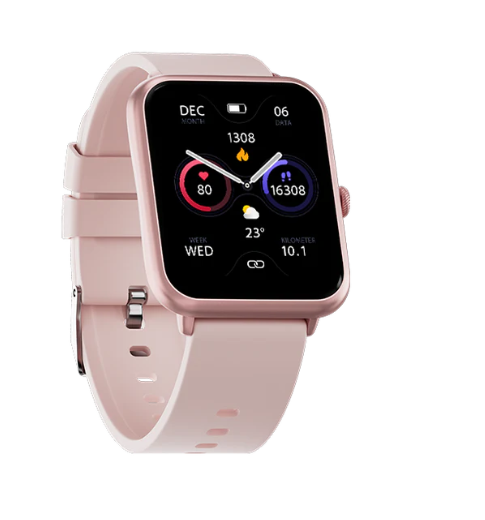
Several years before, a wristwatch was capable of only telling the hour. Nowadays, women expect more from this little accessory on their wrists. A modern smart watch for women now serves as the quiet observer of the body. It is capable of tracking sleep patterns, understanding stress spikes, monitoring day-to-day activity, and analyzing healthier behavior.
This transition is the result of an increasing awareness about health, stress, hormonal balance, and the physical effects of desk-centric routines. Women are looking for more visibility into their well-being. In this case, a smartwatch helps by responding faster and offering feedback during the exact moment a change takes place.
Leading brands in India are observing this behavioral change. Out of these, Fire-Boltt has come up with an impressive line of smart watches for women designed with advanced health-specific features and a sense of style. Most of these advanced watches include features like heart-rate reading, stress indications, oxygen level checks, cycle tracking support, and hydration reminders.
What is the Growing Need for Health Awareness for Women?

For quite a long time, most fitness conversations focused only on weight loss. In the past few years, this trend has changed. Health discussions have become more intense as they cover sleep recovery, stress, energy dips, and oxygen levels.
Women want to know if they are sleeping long enough to recover, if work pressure is affecting their mental peace, and if their hearts are reacting well to workouts. A smartwatch can ease the burden of tracking these aspects accurately. It is close to your skin, notices patterns that most users might miss, and translates those signals into easy-to-comprehend numbers.
1. Heart Tracking
A resting heart rate says more than most people realise. It reflects sleep quality, emotional stress, recovery after exercise, iron levels, and overall conditioning. When that number suddenly rises, it may be because the body is dehydrated, anxious, or simply overworked. When the readings start slowing down over time, it often means the body is getting fitter or more relaxed.
Women rarely track these shifts manually. Many leading women’s watches offer 24×7 optical heart-rate tracking, so the information is always available with a quick glance. If the pulse crosses a limit, some models send gentle alerts instead of waiting for discomfort to show up later.
This becomes useful in everyday life. A woman starting cardio for the first time can check whether she is pushing too hard. A new mother trying to rebuild stamina gets instant feedback instead of guessing. Someone juggling work pressure can notice when anxiety starts affecting the body. Women in their 40s often like monitoring heart trends because recovery changes with age.
2. Sleep Tracking
Sleep is closely tied to mood, hormones, digestion, cravings, skin behaviour, and weight. When sleep becomes shallow or inconsistent, the results usually show up the next day as irritation, foggy thinking, afternoon slumps, or constant snacking.
A smartwatch helps make this invisible part of health easier to understand. It can record total sleep hours, REM stages, interruptions, and waking patterns. Several advanced models break sleep into categories like light, deep, and REM, and many watches generate a morning sleep score.
This turns into practical decisions. Someone who wakes up tired may notice that deep sleep was barely present. Women working late shifts can see whether recovery is happening at all. Night-time scrolling becomes harder to ignore when the watch shows reduced sleep right after.
3. Stress Monitoring

Stress creeps into the body through short breathing, a quickened pulse, tight shoulders, foggy thoughts, and restless nights. People don’t always notice these signals because they push through a packed day.
Smart watches cannot diagnose emotional conditions. But they can observe physical responses linked to stress. Many Fire-Boltt women’s watches use heart-rate variability (HRV) to estimate stress levels throughout the day. If the body appears tense, the watch may suggest a quick breathing exercise or a pause.
For a working woman, this becomes a subtle safety net. Instead of pushing through another hour of fatigue, she sees a reading that encourages one minute of calm. In many cases, that sixty-second break helps far more than scrolling through a phone.
3. SpO2 Tracking
Over the last few years, oxygen saturation has become part of everyday vocabulary. People began keeping an oximeter at home, and many women became more aware of breathing quality during workouts, long hours in air-conditioned offices, viral recovery, or high-altitude travel.
While medical devices are still the benchmark, SpO₂ readings on a smartwatch offer a convenient first check. Modern watches featuring SpO₂ sensors allow women to quickly monitor oxygen levels without searching for a separate device.
4. Cycle Tracking
Cycle-tracking apps are common. However, a watch adds more context. Reminders arrive on the wrist instead of getting lost in notifications. Women start recognising how the month influences their physical and emotional responses.
Sleep often drops right before menstruation. Stress tends to rise in the middle of a cycle. PMS days may show an elevated heart rate. When these signals appear alongside sleep scores and daily stress readings, they make hormonal shifts easier to understand.
Women who exercise use this information to adjust intensity. Someone dealing with emotional fatigue can consider whether hormonal changes are part of the reason. Even without any medical conclusion, daily data builds personal awareness.
Conclusion
Women are choosing smartwatches because they want clarity and want to know how they slept, how stressed they were, how their heart responded, how many minutes they moved, and when they should take a breath.
Fire-Boltt’s women’s smartwatch range fits directly into this mindset. Stylish designs meet practical health tools, and pricing feels accessible. That mix is why wearable adoption among women is expected to rise in 2026.