
Recently, technology has dramatically transformed the way we approach building security. Traditional locks and manual surveillance are no longer enough. Today, smart systems, AI-powered monitoring, and integrated platforms are redefining security standards, making buildings safer, more efficient, and easier to manage.
Smart Access Control Systems
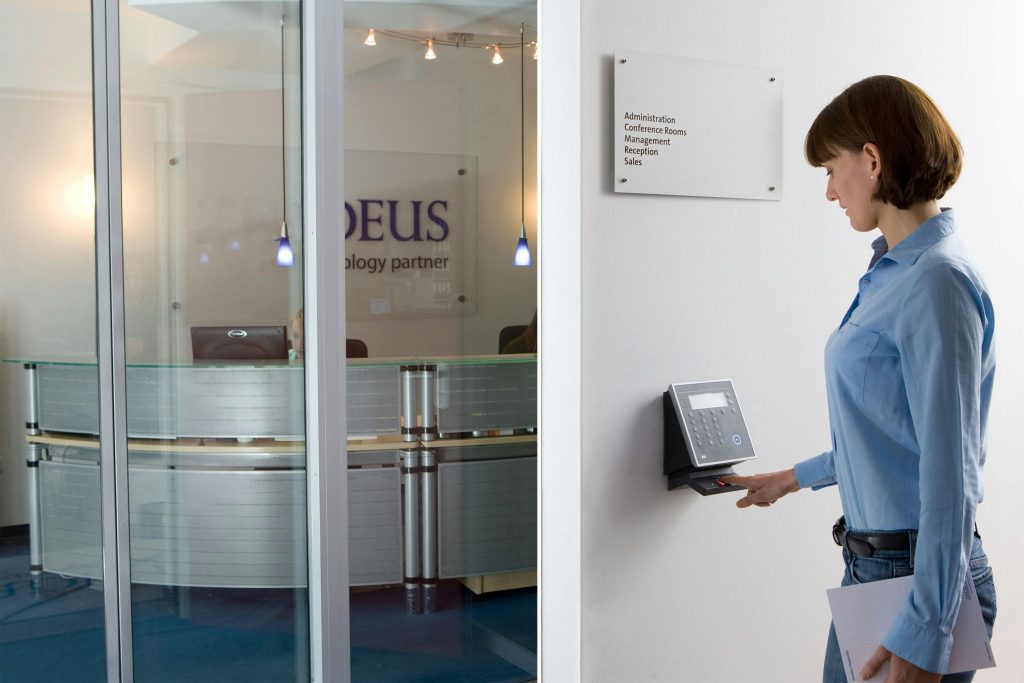
One of the biggest advances in building security is the adoption of smart access control systems. Electronic keycards, mobile credentials, and biometric scanners are replacing conventional locks. These systems eliminate the risks associated with lost or stolen keys and allow administrators to control access remotely.
For instance, facility managers can grant or revoke access instantly, monitor entry and exit in real time, and set access schedules for specific individuals or groups. This technology ensures that only authorized personnel can enter sensitive areas, significantly improving overall security.
Biometric Security
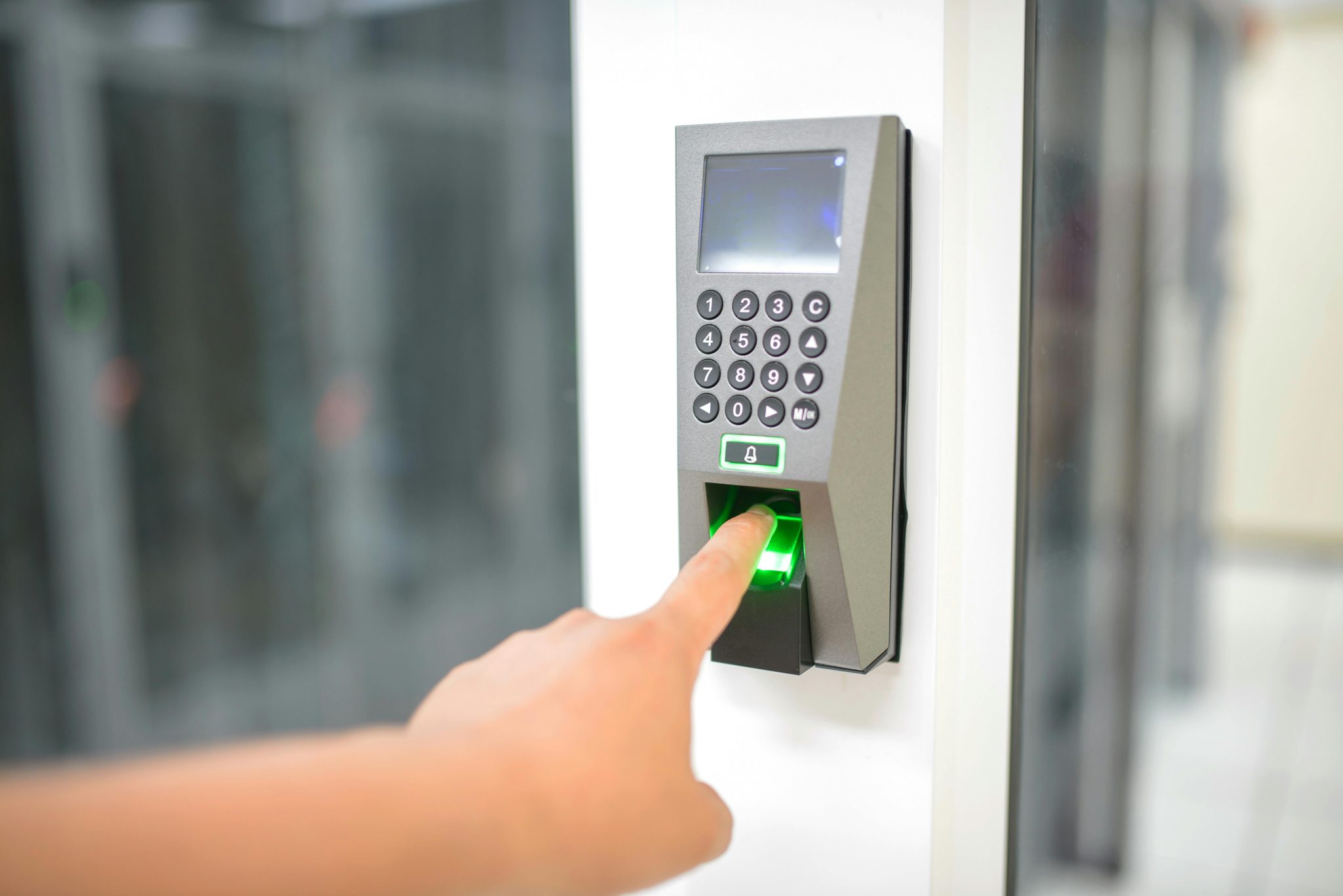
Biometric technologies, such as fingerprint scanners, facial recognition, and iris scanning, add another layer of protection. These methods are difficult to forge and highly accurate, offering a level of security far beyond traditional keys or PIN codes.
Moreover, biometric systems can integrate with time-tracking and attendance software, providing dual benefits for both security and operational efficiency.
AI-Powered Video Surveillance
Video surveillance has also evolved significantly. Modern IP cameras offer high-definition footage that can be accessed remotely on smartphones or computers. When combined with artificial intelligence, these cameras can detect unusual activity, recognize faces, and alert security teams to potential threats before incidents occur.
Advanced analytics allow security teams to act proactively rather than reactively, reducing the likelihood of theft, vandalism, or unauthorized access.
Integrated Security Platforms
Another major innovation is the rise of integrated security platforms. These systems combine access control, surveillance, alarms, and visitor management into a single interface, streamlining operations and enabling quicker responses to potential threats.
Integration with mobile devices and cloud-based systems allows security management to happen anywhere, at any time, rather than being confined to a traditional control room.
Remote Management
Remote management has made building security more flexible than ever. Smart locks, gates, and entry systems can now be controlled through mobile apps or web portals. Administrators can unlock doors for visitors remotely or receive instant alerts if unauthorized access is attempted.
One notable solution in this space is Doorking, which offers advanced access control and gate entry systems. Combining reliability, scalability, and remote capabilities, Doorking provides an effective solution for both commercial and residential properties seeking modern security options.
To centrally supervise cameras, access points, and IoT sensors across multiple properties, many teams deploy remote monitoring and management (RMM) platforms. These tools enable continuous visibility, automated patching, and faster response to system issues across distributed environments. You can learn about remote monitoring and how modern RMM solutions combine monitoring, automation, and cybersecurity to improve reliability and protect connected infrastructure.
Cybersecurity Integration
As access systems become connected to networks, cybersecurity becomes increasingly critical. Modern devices implement encryption, two-factor authentication, and secure cloud storage to prevent hacking. Bridging the gap between physical and digital security ensures comprehensive protection for both assets and occupants.
Emergency Response Technologies
Emergency response systems have also been enhanced with technology. Integrated alarms can alert authorities, notify tenants, and trigger lockdown protocols in case of fire, intrusion, or other emergencies. By unifying multiple security measures, response times are minimized, potentially saving lives and reducing property damage.
As technology continues to advance, the future of building security promises even greater innovation, creating environments that are not just safe, but intelligent and proactive.