The guitar world keeps reinventing itself in ways that feel both familiar and brand new. Players still chase the same thrill that pulled them in years ago, but the tools on the table keep evolving. You can walk into a studio today and spot a vintage tube amp sitting comfortably beside a compact digital modeler, then look up and see a row of polished instruments displayed like modern art. It all tells a story about where guitar culture is heading and why the momentum feels steady rather than chaotic. The shift is less about abandoning tradition and more about finding smarter ways to enjoy the craft, whether you are a touring pro or someone who plays a few minutes before dinner because it helps you reset.
The Rise Of Intentional Spaces
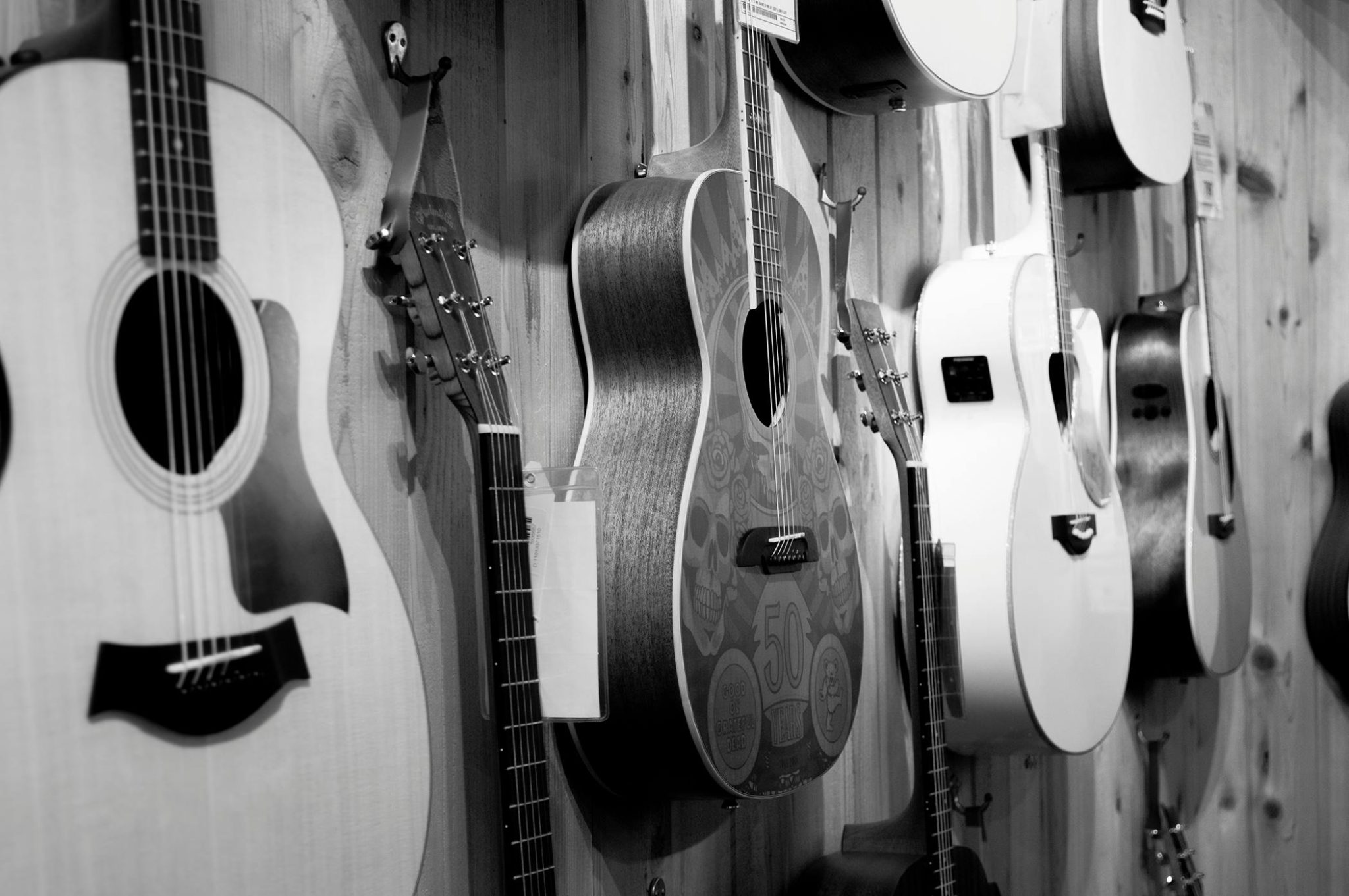
Guitarists used to stash instruments in whatever corner seemed safest. That meant stands scattered around the room, cases leaning against walls, and the occasional oops moment when someone forgot where they set the capo. These days, players gravitate toward spaces that feel curated. They want their instruments visible without feeling cluttered. That move has made guitar wall hangers an aesthetically pleasing and more thoughtful way to store your favorite instruments part of everyday conversation. It is less about the hardware itself and more about how the environment shapes the practice experience. When a room feels intentional, musicians tend to pick up their instruments more often because the barrier between wanting to play and actually playing becomes pleasantly small.
Studios and writing rooms now reflect a mix of utility and personality. A single light hitting the curve of a well loved guitar can energize someone before they even plug in. The shift proves that design is not a distraction from creativity. It supports it.
Why Analog Still Matters
People love to talk about the digital takeover, and sure, modelers and plugins have given players a level of convenience that would have sounded unrealistic twenty years ago. But analog gear still carries a certain pull. It is not nostalgia so much as the tactile nature of the experience. Turning a real knob feels different. Pairing a guitar with a tube amp becomes an interaction rather than a configuration.
That said, guitarists are no longer choosing sides. They are mixing tools the way cooks mix ingredients. One moment they chase the sag of a tube rectifier, the next they stack a digital reverb that lets them shape space with surprising subtlety. The conversation has shifted from old versus new to what combination evokes the sound someone has in their head. This kind of freedom has opened the door for creativity at every level of skill. You can set up a simple bedroom rig and still feel like the possibilities are wide open.
The Acoustic Resurgence
While electric innovations get a lot of attention, acoustic guitars are having a moment that feels grounded in something more personal. People want instruments that make them feel connected. You can see that interest in how often musicians talk about trying different tonewoods or revisiting familiar models to see how they respond to a fresh style of play. The search for the best acoustic guitars does not revolve around novelty. It revolves around expression. Players want instruments that reward subtlety because acoustic sound tells the truth instantly. There is nowhere to hide, but that honesty can feel liberating.
This renewed focus has also pushed builders to refine craftsmanship rather than reinvent the wheel. They are paying attention to how neck shapes affect fatigue during long sessions and how bracing patterns influence responsiveness. The result is an acoustic landscape that feels both classic and freshly tuned without drifting into gimmick territory.
The Pull Of Hands On Craftsmanship
Even with all the digital conveniences, there is a growing appetite for hands-on projects. People want to understand the mechanics of their gear rather than treat their setup like a black box. That curiosity has sparked an interest in assembly kits and repair tools that let players participate in the life of their instruments. Instead of relying entirely on factory setups, more musicians explore the satisfaction that comes from adjusting action, shaping tone, or even building parts of their own rig. When someone creates or repairs something themselves, they often play with a different kind of confidence because the instrument feels like a personal collaboration rather than a finished product handed to them.
This trend is less about saving money and more about claiming ownership of the creative process. It feels good to dial in your setup because you understand how each part works. It turns guitar maintenance into its own form of artistry.
Technology As A Creative Companion
Artificial intelligence has entered the guitar world quietly. It helps with effects modeling, songwriting tools, and learning programs that adapt to player habits. The interesting part is that most guitarists do not see it as competition. They see it as a companion that expands their options without replacing the spark that comes from human intuition. Music still starts with emotion. Technology simply widens the lane.
Some players use AI powered platforms to generate backing tracks that match the feel they are exploring that day. Others lean on adaptive learning apps that keep them honest about technique. It all reinforces the idea that guitar culture is turning into an ecosystem. No one tool defines the experience. The combination does.
The guitar landscape keeps evolving, but the heart of the instrument has not gone anywhere. Players want connection, flexibility, and a setup that encourages them to reach for the guitar when inspiration flickers. That blend of tradition and fresh possibility is why the instrument continues to resonate so strongly. The next chapter will not erase the old one. It will simply give musicians more ways to enjoy the work they already love.