Have you noticed how music sounds completely different when you hear it live instead of through speakers? Attending a classical concert in person creates magic that headphones simply cannot deliver at all.
Your entire body feels the vibrations while the orchestra fills the massive hall with sound. Something happens in those moments that changes how you experience music going forward forever.
The performers are right there, creating beauty just feet away from where you sit. You become part of something bigger than yourself during each breathtaking movement and pause.
This kind of connection rarely exists in our screen-dominated lives anymore. Permit yourself to experience real music just once in your life.
Live Classical Music Is an Experience, Not Just Sound
Live classical music hits differently than playing a recording at home. The dynamic range in a concert hall is incredible.
You hear every whisper and every loud crash perfectly. The acoustics make each instrument sound rich and full of life. The silence between movements creates something special.
Everyone holds their breath waiting for what comes next. That anticipation builds tension you can actually feel in the air. Hearts race during quiet moments before big crescendos hit.
Recordings just cannot capture this magic at all. The energy flows between musicians and audience in real time. It is pure emotion experienced with your whole body.
Check events near me to find a concert and experience this yourself. Live performances bring music to life in unforgettable ways.
What You Feel in a Concert Hall That Recordings Can’t Deliver?
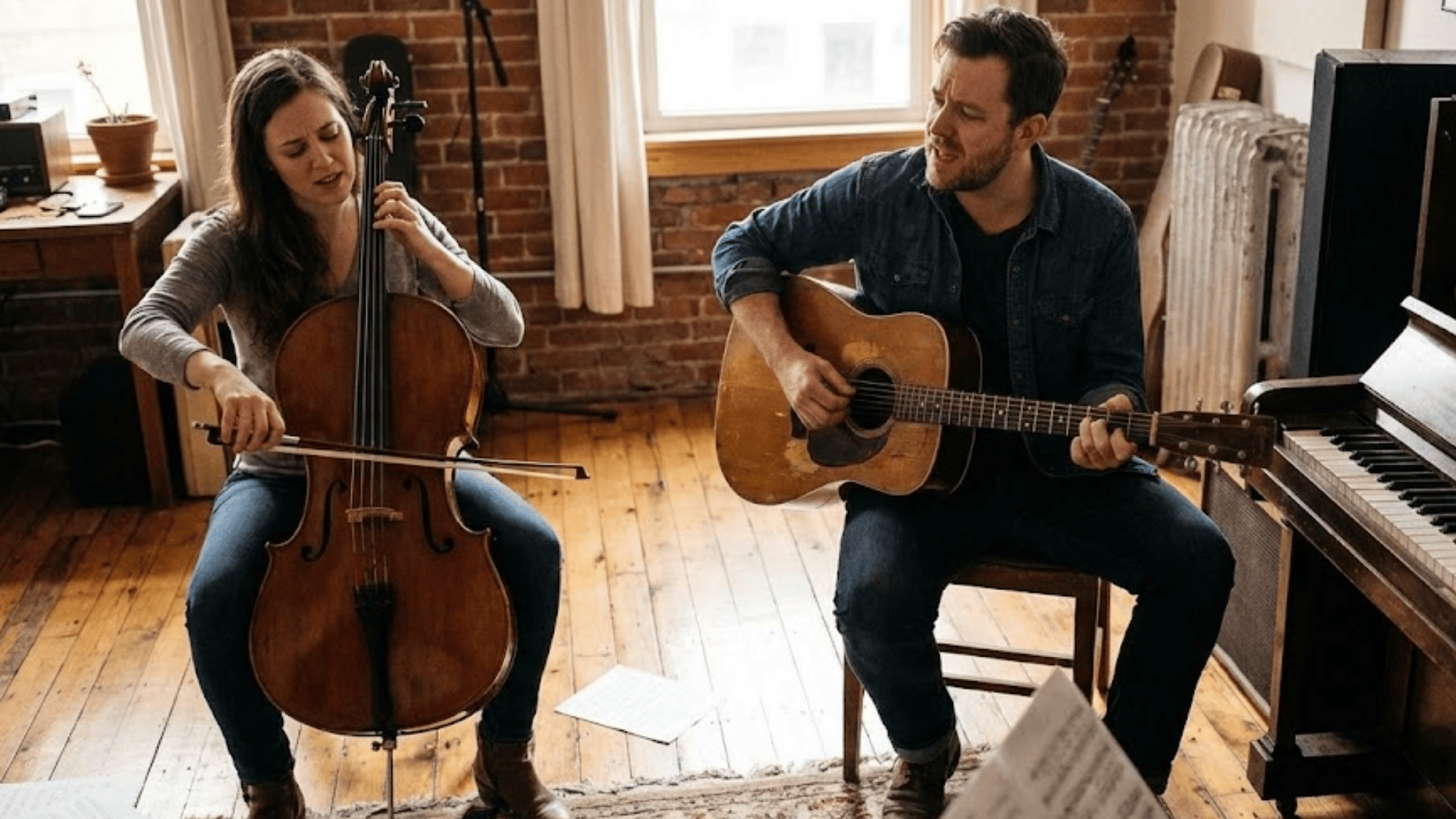
Concert halls create feelings that no speaker or headphone can ever match. Something powerful happens when live music fills the space around you. Here’s what makes the experience so special:
1. Emotional Buildup
The tension grows slowly as musicians prepare to play their next notes before you. You feel anticipation building in your chest as the conductor raises their baton high.
Every pause between sections creates excitement that makes your pulse quicken noticeably. Your body responds to these tiny moments with heightened awareness. This gradual emotional buildup simply does not exist with recordings.
2. Collective Listening
Hundreds of people share the same moment together in complete silence around you now. Everyone stops moving, breathing quietly as the music wraps around the entire audience.
You sense the presence of others without seeing them during these intense moments. The shared focus creates an invisible bond between strangers sitting together. This collective experience unites people from different backgrounds beautifully.
3. Goosebumps
Your skin tingles when the orchestra hits those perfect emotional peaks during the show. Physical reactions happen automatically without you controlling them at all in these moments.
Hair stands up on your arms during crescendos that shake the hall. The combination of sound and vibrations triggers your body in powerful ways. These sensations prove something profound is happening physically.
4. Shared Reactions
You hear gasps, sighs, and applause that mirror your own feelings perfectly around you. Someone nearby catches their breath at the exact same moment you do during performances.
The collective response confirms that others feel the music as deeply. Applause erupts when everyone recognizes a beautiful passage together. These reactions create community among strangers at concerts.
5. Encourages Creativity
Live classical music encourages new ideas and creative thinking in ways recordings never can. Your mind wanders freely during performances, making unexpected connections between thoughts and emotions naturally.
The complex layers of sound stimulate different parts of your brain all at once. Many artists and writers attend concerts specifically to break through creative blocks they face.
6. Offers Complete Mental Escape
Concert halls offer a complete escape from your daily worries and stress for precious hours. Your phone stays silent in your pocket while the music demands full attention entirely.
The outside world disappears completely as you sink into another era through sound. Time moves differently during performances, making two hours feel like twenty minutes.
This mental break refreshes your mind better than any vacation or entertainment option available today.
7. Creates Lasting Family Traditions
Attending live concerts creates traditions you can share with children and future generations forever. The memory of your first symphony stays vivid even decades after it happens. You pass down appreciation for live music by bringing young people to performances.
These shared experiences become family stories told again and again over the years. Classical concerts connect you to centuries of human culture worth preserving and celebrating always.
Watching Music Being Created Changes How You Hear It
Seeing musicians perform live completely changes how you understand the music they play. Watch how violinists lean into their instruments during emotional passages.
Their body language tells a story that recordings never show you at all. The conductor becomes the heart of the entire performance through every gesture.
A small hand movement can make the whole orchestra play softer instantly. Eye contact between the conductor and musicians creates perfect timing without words. You see the real human effort it takes to create beautiful sounds.
Sweat drips down faces during intense sections that demand total focus and energy. Fingers fly across keys at speeds that seem impossible to achieve.
Search for events near me to witness this visual magic yourself. This element adds depth that recordings miss entirely every time.
The Science Behind Why Live Classical Music Feels So Powerful
Your brain lights up in special ways when you hear live classical music. Dopamine floods your system and makes you feel happy and excited instantly.
This chemical is the same one that makes you enjoy your favorite foods. Cortisol levels drop significantly during live performances, according to research published in the European Journal of Psychiatry.
The research shows that “listening to music seems to reduce stress by influencing both the hypothalamic-pituitary-adrenal axis and the autonomous nervous system.” Studies reveal “a decrease both in cortisol levels and in sympathetic activity.”
Your brain works harder to process all the sounds happening around you. Multiple areas activate at once to understand melody, rhythm, and harmony together.
This creates a mindfulness state similar to meditation without any effort. Live music acts like medicine for your mind and body combined.
Classical Music vs Digital Content: The Difference
Classical music offers something rare in today’s fast-paced digital world. It creates calm instead of adding more noise to your life. Here’s how classical music differs from what you usually hear:
|
Aspect |
Classical Music |
Algorithm-Driven Media |
|---|---|---|
|
Tempo |
Slower tempos allow your brain to rest naturally. Your heart rate syncs with gentle rhythms. |
Fast-paced content keeps your brain constantly stimulated. No time to slow down properly. |
|
Structure |
Predictable patterns give your mind something stable to follow. You know what comes next. |
Random playlists jump between styles unpredictably. Your brain struggles with changes. |
|
Emotional Journey |
Emotional resolution provides closure as tension releases beautifully. Each piece tells a complete story. |
Content loops endlessly without real endings. Algorithms prioritize engagement over satisfaction. |
|
Overall Effect |
Creates peaceful mental space separate from daily chaos. Live performances amplify this effect. |
Designed to capture attention and keep scrolling. The goal is stimulation, not relaxation. |
These differences explain why classical concerts feel so refreshing and restorative. Your mind finally gets the break it desperately needs from constant digital noise.
You Don’t Need to “Understand” Classical Music to Enjoy It
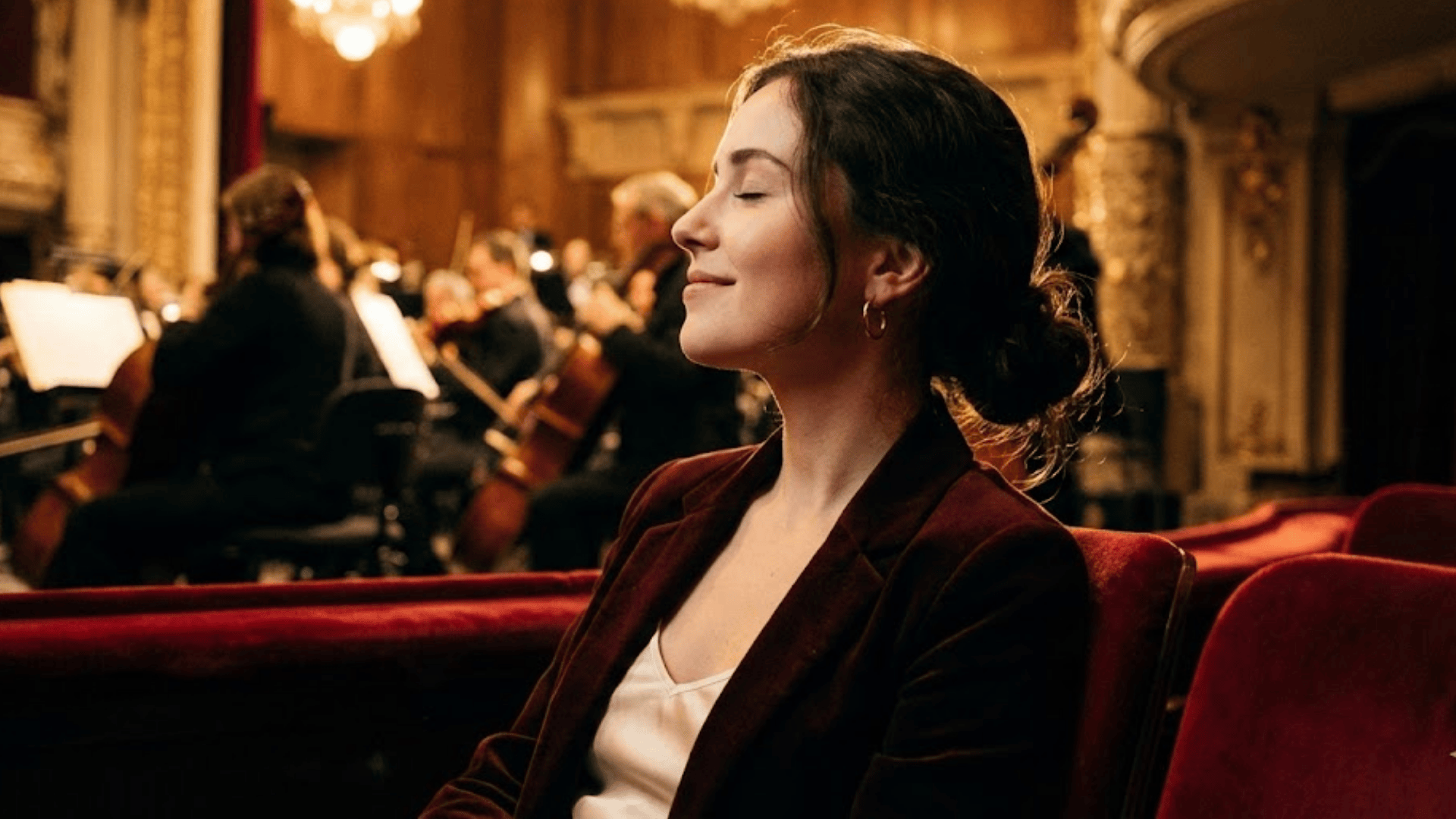
Many people think classical music is only for experts who have studied music theory for years. That belief keeps regular folks away from amazing concerts for no good reason at all.
You do not need a degree or special training to enjoy beautiful sounds and emotions. Classical music works on feelings, not facts you memorize from textbooks in school every day.
Stop worrying about identifying every instrument or knowing the composer’s biography perfectly before attending shows. Your emotional response matters more than any technical knowledge you might lack right now.
Close your eyes and let the music wash over you without overthinking it at all. There are no wrong ways to feel when listening to live performances in halls.
Trust your gut reaction instead of searching for hidden meanings constantly throughout pieces. The music speaks directly to your heart, not your brain ever.
Why Even One Live Concert Can Change How You Listen Forever?
Attending just one live classical concert creates lasting changes in how you experience music. Something shifts inside you that recordings can never quite replicate again. Here’s what happens after your first live performance:
- Long-Term Appreciation: You start noticing details in recorded music that you completely missed before attending live concerts.
- Active Listening: Your brain learns to focus deeply on sounds instead of treating music as background noise.
- Emotional Memory: Specific pieces trigger vivid memories of how the live performance made you feel physically.
- Higher Standards: Recordings feel flat compared to the rich experience you had at the concert hall.
This transition happens naturally without any effort or formal training required. Once you experience live classical music, passive listening simply does not satisfy you anymore.
Live Classical Music as a Cultural & Human Connection
Classical concerts create connections between strangers that rarely happen anywhere else in modern life today. Everyone sits together in shared silence while the music plays around the entire hall.
That quiet moment bonds hundreds of people without anyone saying a single word at all. You feel collective emotion ripple through the crowd when the orchestra reaches powerful emotional moments.
Strangers around you experience the exact same feelings at the exact same time perfectly. This music has connected humans across centuries since composers first wrote these pieces long ago.
The same notes that moved people hundreds of years back still touch hearts today somehow.
You become part of a tradition that spans generations and cultures around the world. Live classical music reminds us that human emotions stay the same regardless of time.
Choosing the Right First Concert for the Best Experience
Picking your first classical concert does not need to feel overwhelming or stressful at all. Start with beginner-friendly programs that feature well-known composers like Mozart, Beethoven, or Tchaikovsky, whom you recognize.
These names create music that feels familiar even if you have never heard it live. Look for shorter concerts that last around an hour instead of three-hour marathon performances.
Many orchestras offer special introductory concerts explicitly designed for newcomers to classical music today. Programs with recognizable themes from movies or popular culture make excellent starting points for beginners.
You might enjoy concerts featuring music from Star Wars, Harry Potter, or other films. Remove all pressure from yourself about having the perfect first experience at a show.
The goal is to show up, sit down, and let yourself enjoy whatever happens. Your first concert just needs to prompt interest, not create a life-changing moment instantly.
The Role of the Venue in Shaping the Music
Concert halls are built with one specific purpose in mind: making music sound absolutely incredible. Every curved wall, wooden panel, and ceiling height is carefully planned by acoustic experts.
The materials used in construction affect how sound waves bounce around the entire space. Hard surfaces reflect sound while soft materials absorb it to create a perfect balance throughout.
The layout determines how music travels from the stage to every single seat. Even the shape of the ceiling plays a huge role in how clearly you hear. The same piece of music sounds completely different in a small theater versus a large hall.
Some venues make violins sound bright and clear while others create warm, rich tones. Historic concert halls often sound better than new ones because of aged wood and materials. The building itself becomes a giant musical instrument that shapes every note you hear.
Wrapping it Up
Now you understand why live classical concerts deserve a spot on your bucket list today. You gain so much more than just hearing pretty sounds for an hour or two.
Your stress disappears, your brain gets sharper, and your appreciation for music deepens permanently. Recordings will never feel quite the same after you witness the real thing happening.
The best part is that you need zero musical training or background knowledge whatsoever. Just show up with an open mind and let the experience wash over you thoroughly.
Your future self will thank you for taking this small step toward something beautiful. Share your first concert experience with us below once you attend one!