Repairing or replacing a roof may rank highly among the most stressful choices that many homeowners have to make when doing their home maintenance. One or two broken shingles or a minor leak may not appear to be an emergency at once, but roofing issues hardly remain minor. Although repairs may sometimes be effective in some circumstances, sometimes consulting with roof replacement experts is the more intelligent, secure, and less expensive choice.
Knowledge of red flags can prevent recurrent costs, property damage, and unforeseen disasters among homeowners. The following are seven obvious signs to help you understand roof replacement vs repair and whether to have a new roof rather than continue patching it.
Roof Age Is at or Beyond Its Expected Lifespan
Even a well-kept system is exposed to roof lifespan indicators and greater failure once its anticipated life is met or even surpassed.
The aged roofs are prone to:
- Less waterproofing functionality.
- Flaky and brittle materials.
- The amplified exposure to wind and storm damage.
When your roof is towards the end of its life, then the cost might only be added on as time goes by, only to be put off.
Repeated or Widespread Leaks
A leakage that occurs through incidental damage can be repaired in most cases. Nevertheless, the frequent occurrence of leaks or multiple locations in the house can be an indication of a more serious issue.
Indications that leaks will no longer be a minor repair problem are:
- Stains of water on the ceilings or walls of several rooms.
- The growth of mould or mildew in the house.
- Constant rainy season dampness.
The leakages are recurrent, indicating that the entire system of the roof is not working, and therefore, the sure thing is to replace it.
Extensive Shingle Deterioration
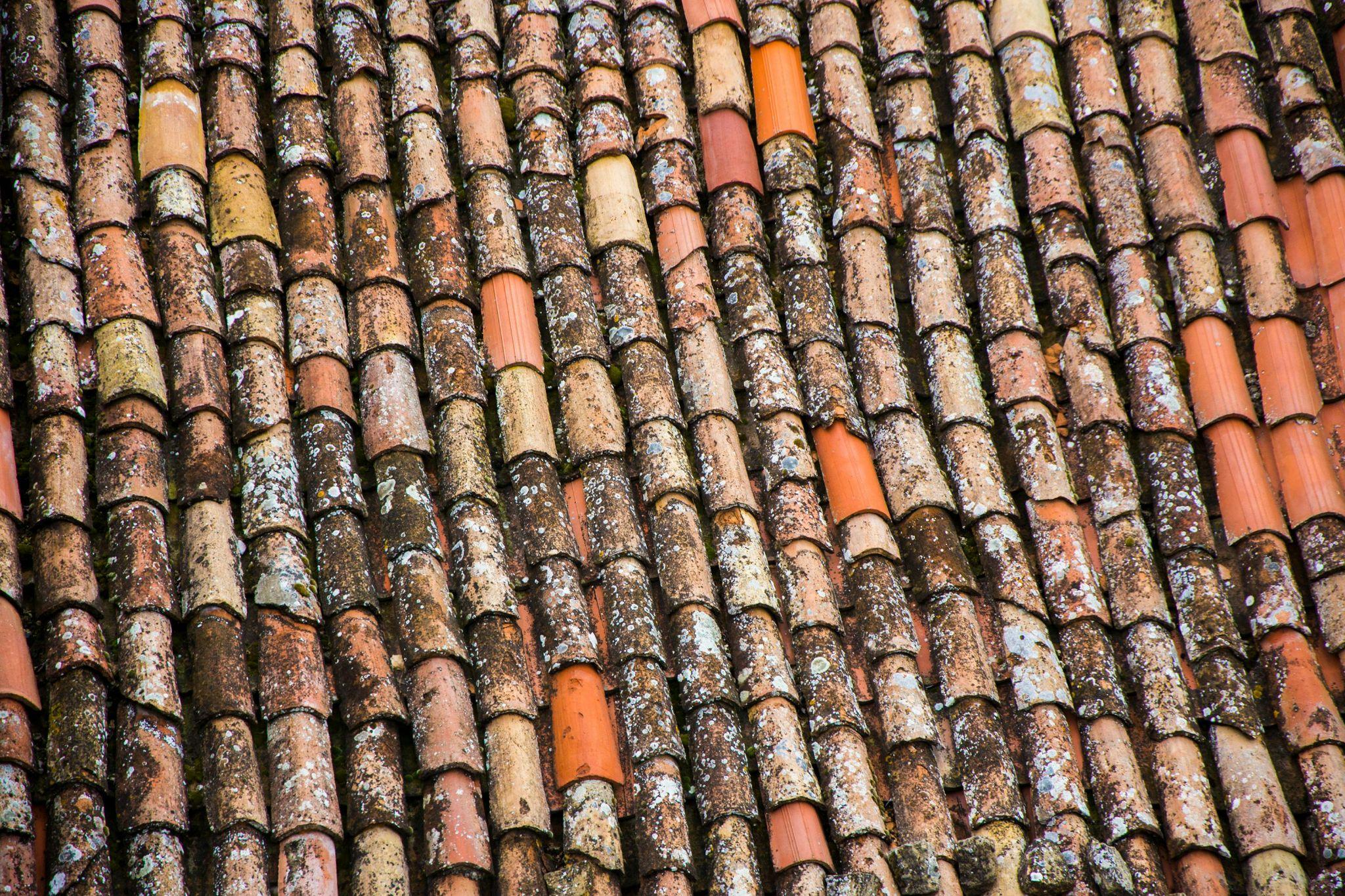
The roof is covered with shingles, which form the first line of defense. Repairs become useless when they start failing on a large scale. The advanced wear is indicated by curling, cracking, blistering, or the absence of shingles covering the large areas of the roof.
Some of the typical manifestations of serious shingle wear and tear are:
- Pieces of granules accumulated in the guttering.
- Bald or patchy areas on the roof of the building.
In case the damage is extensive as opposed to localized, it is always safer to replace the roof to have uniform protection as opposed to repairing issues one by one.
Structural Sagging or Decking Problems
One of the indicators that cannot be missed is a sagging roof. Structural problems can be associated with the roof decking or the underlying support system, which may be significant due to the exposure to moisture over a long period of time.
You may notice:
- An apparent depression in the roof.
- Wobbling or squishy on the roof whilst walking.
- Indoor Indications to include crumbled drywall or sticking doors.
These are problems beyond cosmetic matters. Structural issues in the majority of cases involve the removal of the current roof and repairing the damage underneath it, and therefore, replacing it is the most responsible answer.
Rising Energy Bills from Poor Roof Performance
Home maintenance costs have risen to around $10,000 per year due to unplanned repairs and replacements. The roof of your house contributes significantly to the energy efficiency of your place of residence. Once it starts breaking down, you can lose heat and cooled air more easily, and this compels your HVAC system to strain. This lack of efficiency is reflected eventually in increased energy bills.
Energy problems associated with the roof include:
- Degraded roofing materials
- Poor ventilation
- Compromised insulation
In case you observe an increase in your energy bills with no variation in consumption or utility rates, your old roof can be included in the issue. Another roof is able to enhance the temperature and efficiency.
Widespread Moss, Mold, or Algae Growth
Although particular surface growth can appear to be non-damaging, large amounts of moss, mold, and algae can be a sign of stagnant moisture and worn materials. Moss, especially, holds water on the roof surface, making it decay faster and risking more water to leak into the building.
Warning signs include:
- Moss is growing in great patches on the roof.
- Dark streaks due to the growth of algae.
- Indoors, Mold smell or discoloration.
When the growth is extensive and repeated, replacement can be its most effective cure.
Repair Costs Are Approaching Replacement Costs
The financial one is one of the most obvious signs of when to replace your roof. However, it may not be a good idea to keep on fixing issues when repair bills are becoming common and costly.
Consider replacement when:
- You have already paid for several repairs within a short time.
- One mending is merely a partial solution.
- Repair estimates will be close to a large part of the replacement value.
A new roof would offer peace of mind, superior warranties, and save in the long run over patchwork solutions. Homeowners collaborating with the professional help of such specialists as RoofWorx usually realize that a professional evaluation will help to understand that replacement is the more cost-effective way to go.
In Conclusion
Replacing a roof is a huge cost, yet maintaining a faulty system may be even more expensive. Using the assistance of the age concern, indicators of when to replace your roof, structural red flags, and the cost of repairs, the homeowners are able to ensure that a replacement is a better decision.