Introduction
A home listening space is a dedicated area designed for enjoying music with clarity, comfort, and intention, rather than treating sound as background noise.
Streaming now accounts for more than 80 percent of global recorded music revenue, and people are spending more time listening at home than at any other point in history.
That shift has changed expectations.
Music is no longer confined to headphones or car speakers, and listeners increasingly want spaces that sound good, look good, and fit real budgets.
This guide walks you through defining your listening goals, choosing the right equipment, arranging your room, improving acoustics, and creating a visually balanced setup without overspending.
You do not need expensive gear or a dedicated studio to build a satisfying listening experience.
What matters is understanding how sound behaves in your space and making smart, practical decisions.
What Is a Home Listening Space and Why Does It Matter?
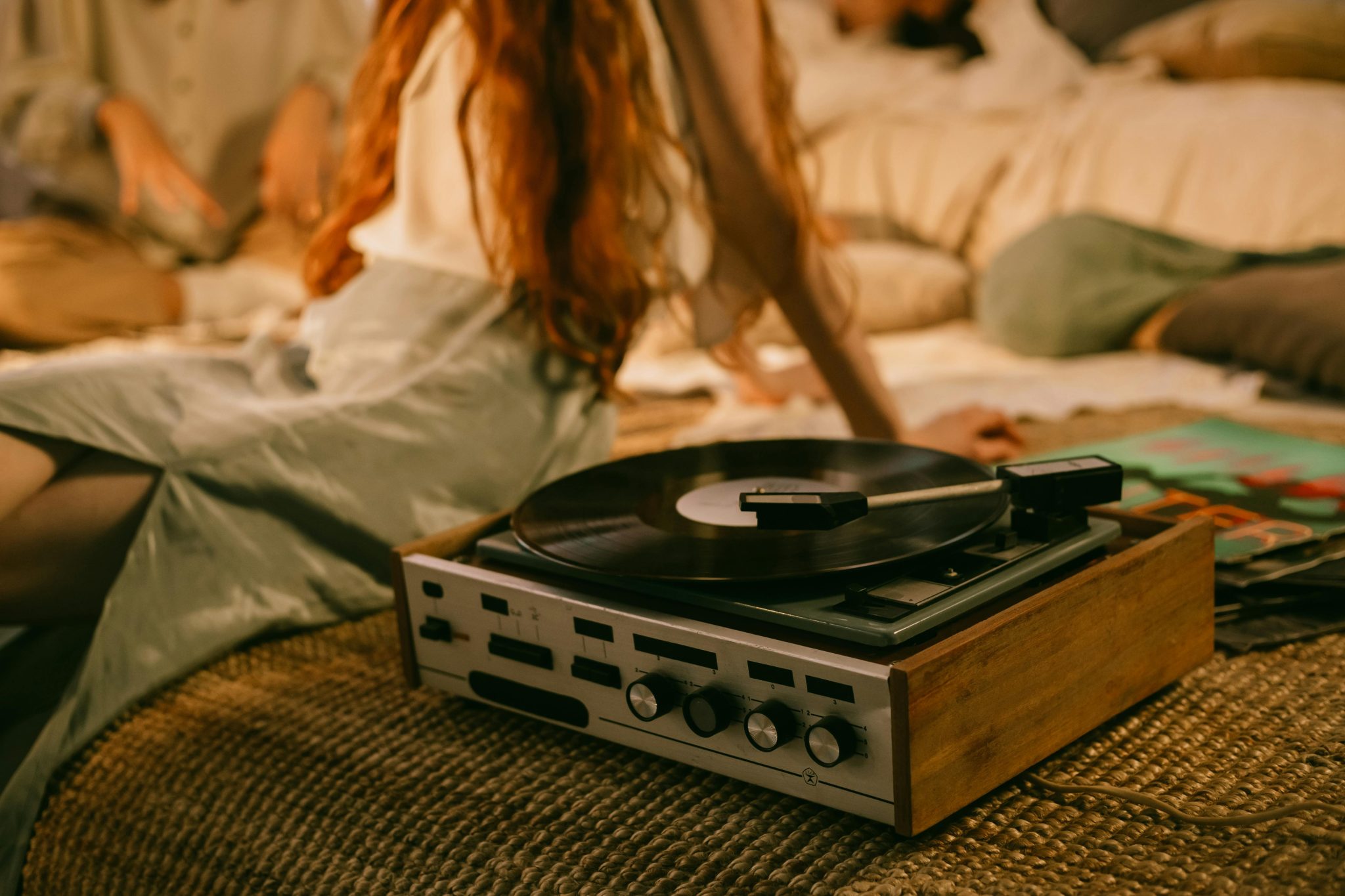
A home listening space is an intentionally arranged area where sound quality, comfort, and focus are prioritized for music playback.
Unlike casual listening, a defined listening space reduces distractions and allows speakers, furniture, and acoustics to work together.
Sound interacts with walls, floors, ceilings, and objects.
When these elements are ignored, even high-quality equipment can sound flat or harsh.
A proper listening space improves clarity, stereo imaging, and listening comfort.
It also creates a routine around music that encourages deeper engagement rather than passive consumption.
For apartments or shared homes, a listening space does not need to be large.
It simply needs thoughtful placement and balance.
How Do You Define Your Listening Goals Before Buying Anything?
Listening goals define what type of sound experience you want and prevent unnecessary spending.
Before buying equipment, decide how you actually listen to music daily.
Some people listen while working or socializing.
Others sit down and focus entirely on albums or playlists.
Your goals influence speaker size, layout, and budget allocation.
They also determine whether aesthetics or sound performance takes priority.
Clear goals keep your setup cohesive rather than pieced together over time.
What Type of Listener Are You?
Listener types are broad categories that describe how people engage with music at home.
Understanding your type helps match equipment and layout to your real habits rather than idealized ones.
Common listener types include:
• Casual listeners who value simplicity and convenience
• Focused listeners who prioritize detail and stereo imaging
• Vinyl listeners who enjoy physical media and rituals
• Hybrid listeners who combine music, movies, and podcasts
Each type benefits from different speaker sizes, source devices, and seating arrangements.
How Much Does It Cost to Build a Home Listening Space?
The cost of a home listening space varies widely, but functional setups exist at nearly every budget level.
Entry-level systems typically range from 300 to 700 USD, mid-range setups from 800 to 1500 USD, and premium setups can exceed 2000 USD.
Four main factors influence cost:
• Speaker quality and size
• Room dimensions
• Furniture and layout needs
• Acoustic treatment choices
Understanding these factors helps you allocate funds where they matter most.
What Equipment Do You Actually Need for Great Sound at Home?
Core audio equipment consists of speakers, a sound source, and amplification.
These components work together to convert recorded signals into audible sound.
Not every setup needs separate devices for each function.
Many modern systems combine amplification and digital processing into a single unit.
Essential equipment includes speakers and a source.
Optional components include amplifiers, subwoofers, and external digital converters.
Choosing only what you need keeps your system simple and effective.
Speakers
Speakers are devices that convert electrical audio signals into sound waves that fill a room.
They are the most influential component in a listening space.
Common speaker types include:
• Bookshelf speakers for small to medium rooms
• Floor-standing speakers for larger spaces
• Powered speakers with built-in amplification
Selecting the right speaker type depends more on room size than price.
Amplifiers and Receivers
Amplifiers are devices that increase the strength of an audio signal to drive speakers.
Receivers combine amplification with input switching and sometimes streaming features.
The working principle is to amplify a clean signal without distortion.
In home listening spaces, amplifiers determine volume control, tonal balance, and system flexibility.
Modern receivers simplify wiring and source management.
Turntables and Digital Sources
Turntables are devices that play vinyl records by converting groove vibrations into electrical signals.
Digital sources include streaming devices, phones, computers, and media players.
Vinyl favors focused listening sessions.
Digital sources favor convenience and discovery.
Your source choice should align with how you find and enjoy music.
How Do You Place Speakers for the Best Sound in Any Room?
Speaker placement determines how sound reaches your ears and how stereo imaging forms.
Correct placement follows simple geometric and acoustic principles.
There are four core placement rules:
- Form an equilateral triangle between the speakers and the listener
- Angle speakers slightly toward your ears
- Keep speakers away from walls when possible
- Maintain symmetry within the room
These steps improve balance and clarity without additional cost.
How Important Is Room Acoustics for Home Listening?
Room acoustics describe how sound reflects, absorbs, and diffuses within a space.
They matter as much as equipment quality.
Hard surfaces reflect sound, creating echo.
Soft surfaces absorb sound and reduce harshness.
Poor acoustics can make expensive speakers sound thin or muddy.
Simple adjustments often produce bigger improvements than hardware upgrades.
Affordable Ways to Improve Room Acoustics
There are five practical ways to improve acoustics without major spending:
• Rugs to absorb floor reflections
• Curtains to soften window reflections
• Bookshelves to diffuse midrange frequencies
• Cushioned furniture to reduce harshness
• Wall décor with soft backing for light absorption
These changes improve sound and comfort simultaneously.
How Can You Make a Listening Space Look Stylish Without Overspending?
A stylish listening space balances visual calm with functional layout.
Style does not require luxury furniture or custom installations.
Consistency matters more than cost.
Matching finishes, controlling cables, and choosing neutral colors create cohesion.
Lighting strongly influences mood and usability.
Upgrading to efficient LED lighting can improve both appearance and comfort, especially when paired with professional commercial and residential lighting solutions that focus on balanced brightness and reduced glare.
Lighting, Furniture, and Layout Choices
Listening-friendly interiors support both sound quality and daily use.
Key elements include seating height, table placement, and light positioning.
Furniture should not block speaker paths.
Lighting should avoid glare near displays and reflective surfaces.
Balanced layouts make listening spaces inviting rather than technical.
What Are the Biggest Mistakes People Make When Setting Up a Listening Space?
Most listening-space issues stem from avoidable mistakes rather than poor equipment.
There are five common errors:
• Choosing speakers that are too large for the room
• Placing speakers directly against walls
• Overcrowding the space with furniture
• Ignoring cable management
• Upgrading gear before optimizing placement
Avoiding these mistakes delivers immediate improvements.
How Do Budget Listening Setups Compare to High-End Ones?
Budget setups prioritize efficiency and simplicity, while high-end setups focus on refinement and expandability.
The difference lies in diminishing returns rather than enjoyment.
Budget systems deliver precise, high-value results.
High-end systems offer deeper detail and a wider soundstage.
A comparison table should evaluate cost, complexity, space needs, and upgrade paths.
How Can You Upgrade Your Listening Space Over Time Instead of All at Once?
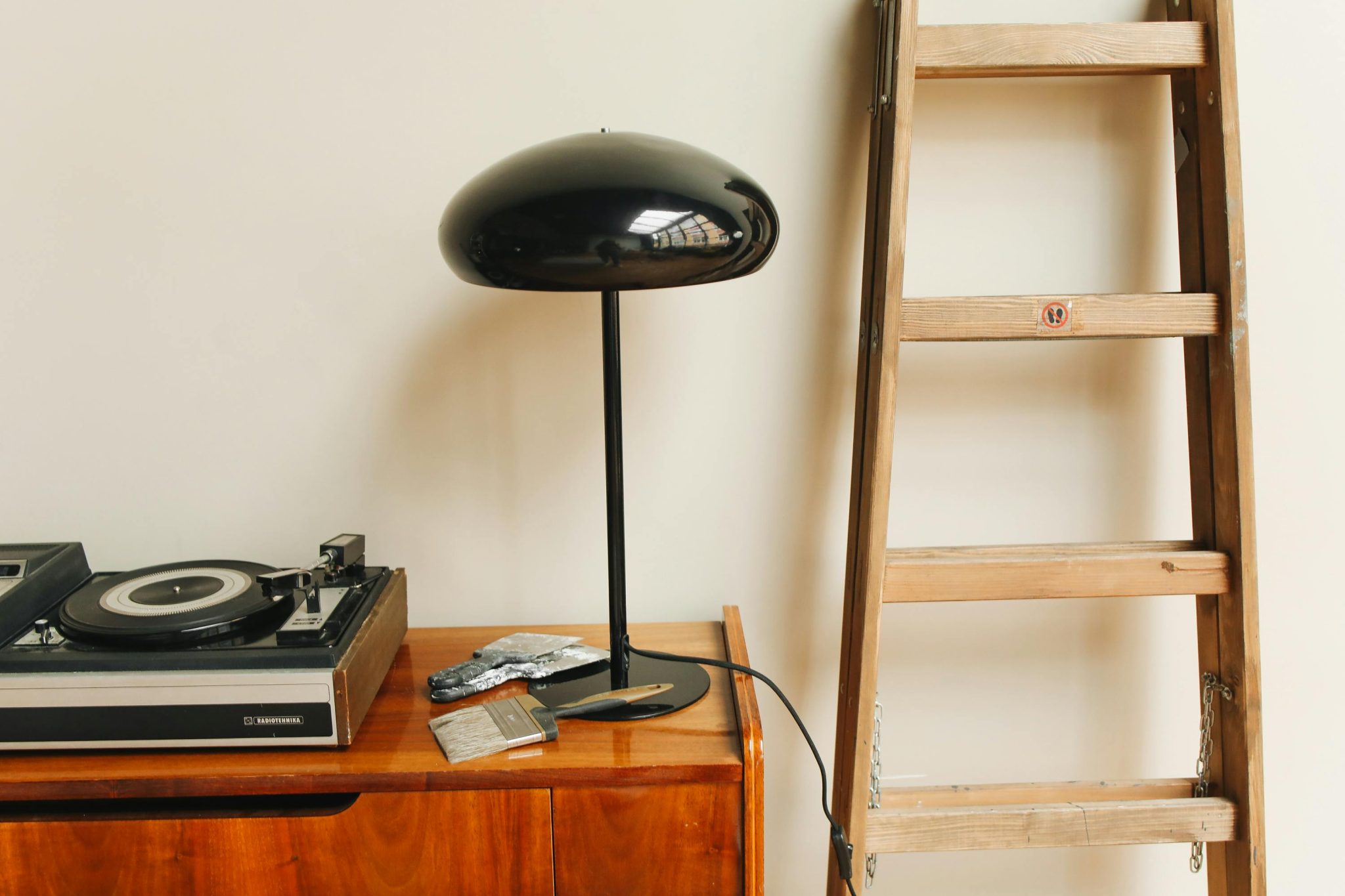
Gradual upgrades reduce financial strain and improve learning.
There are four logical upgrade steps:
- Optimize placement and room layout
- Upgrade speakers if needed
- Add acoustic treatment selectively
- Improve sources or amplification last
This sequence ensures each upgrade provides audible value.
Creating Multi-Purpose Rooms Without Compromising Sound
Multi-purpose rooms serve more than one function, such as listening, working, or light exercise.
Flexibility matters more than perfection in these spaces.
Compact speakers and movable furniture preserve usability.
Many households incorporate fitness areas alongside listening zones, and sourcing used home gym equipment allows shared rooms to stay practical without overwhelming the space.
Clear zoning prevents activities from interfering with sound quality.
Conclusion
A stylish home listening space is a practical environment built around how you actually enjoy music.
Good sound is not reserved for expensive systems or large homes.
By defining goals, choosing appropriate equipment, optimizing placement, and improving acoustics, you can create a satisfying listening experience at any budget.
Style and sound support each other when decisions are intentional.
The goal is not technical perfection.
It is a space that invites you to press play and stay awhile.