For over a century, the piano has stood as a monument of artistic expression, its fundamental mechanics of hammers striking strings remaining a bastion of analogue tradition. In a world constantly reshaped by digital currents, the piano’s resistance to radical change has been a core part of its identity. This enduring character, however, is not a sign of stagnation. Instead, the instrument is on the cusp of a profound evolution, one that doesn’t discard its rich heritage but enhances it with remarkable ingenuity, transforming the landscape of new pianos for sale.
Main Points:
- The piano maintains its traditional acoustic mechanics.
- It is evolving through the integration of digital innovation.
- This evolution enhances, rather than replaces, its heritage.
- The future involves a seamless fusion of mechanical touch and digital potential.
- This partnership creates a more versatile and accessible experience for pianists.
The future of piano playing is being written not through a replacement of its acoustic soul, but through a seamless and powerful fusion of authentic mechanical touch with the limitless potential of digital innovation. This partnership between tradition and technology is creating a new, more versatile and accessible paradigm for pianists, ensuring the instrument’s vibrant relevance for generations to come by augmenting, rather than overwriting, its timeless appeal.
The New Conservatoire: Educational Tools and Practice Redefined
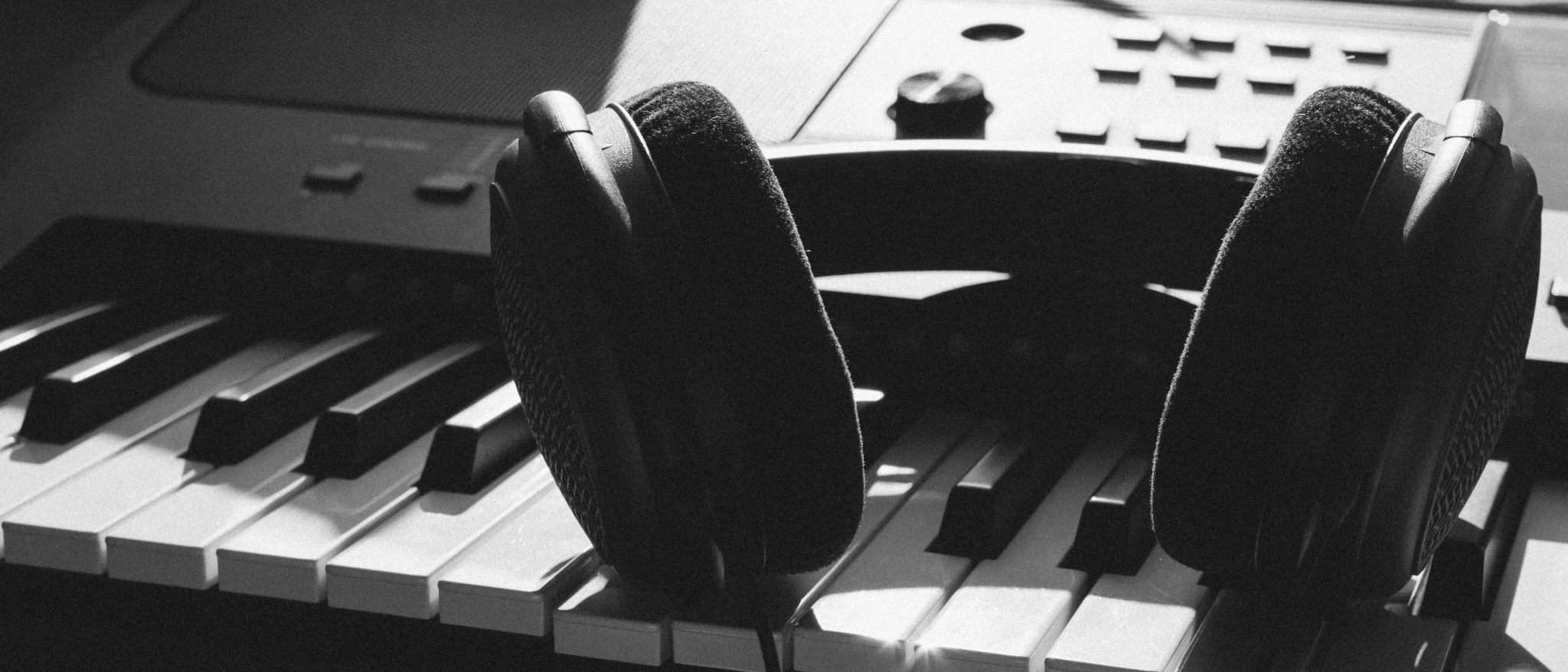
Perhaps the most immediate impact of this technological fusion is on the very process of learning and practicing the piano. The logistical challenges of practice—time constraints, household noise, and the need for focused repetition—are elegantly solved by the ability to play silently through headphones.
A student or parent, recognizing the power of these integrated lessons, might start their process by searching for a used Yamaha Clavinova, as this line is renowned for its educational features. These instruments transform solitary practice into an interactive and engaging experience.
Built-in metronomes, multi-track recording for instant self-assessment, and the ability to play along with orchestral accompaniments provide powerful tools for development. Furthermore, seamless integration with educational apps like Smart Pianist or Flowkey provides real-time feedback and guided lessons directly on a tablet, gamifying the learning process and accelerating a student’s progress in ways previously unimaginable outside of a formal lesson. This accessibility is redefining music education for a new generation.
Beyond Performance: The Piano as a Creative Hub
The capabilities of hybrid pianos extend far beyond practice and performance into the realm of professional music creation. With their sophisticated sensor systems, these instruments serve as exceptionally expressive MIDI controllers, providing a direct conduit to the world of digital composition. A pianist can connect the instrument to a computer running a Digital Audio Workstation (DAW) and use the familiar, nuanced feel of its keys to compose and record with an infinite palette of sounds.
| Feature | Analysis |
|---|---|
| MIDI Controller | Sophisticated sensors allow the piano to act as an expressive input device. |
| DAW Integration | Connects to Digital Audio Workstations for composition and recording. |
| Sound Palette | Access to an infinite range of digital sounds beyond the piano’s acoustics. |
| Creative Workflow | Enables seamless layering of various instrument tracks from one keyboard. |
| Production Tool | Transforms the piano into the central hub of a personal recording studio. |
This completely changes the creative workflow. An artist can lay down a pristine acoustic piano track, then seamlessly layer a lush string section, a dynamic synth bassline, or intricate percussion, all from the same keyboard. The piano is no longer just a source of a single sound; it becomes the central nervous system of a personal recording studio. This empowers musicians to produce complex, fully realized arrangements and professional-quality recordings without ever leaving the piano bench, transforming a solo instrument into a comprehensive production tool.
Practicality and Sustainability in the Modern Age
Beyond their creative and educational advantages, these modern instruments offer compelling practical benefits that align with contemporary lifestyles. The most significant is the elimination of regular, costly, and climate-sensitive tuning required by acoustic pianos. Furthermore, the essential ability to control the volume or play silently makes the piano a viable instrument for those living in apartments, townhouses, or busy family homes where sound levels are a constant consideration. These practicalities are increasingly viewed through a lens of sustainability.
A forward-thinking retailer, perhaps piano distributors near me, would likely champion these models, highlighting their longevity and reduced maintenance needs as a more conscious choice. By requiring fewer raw materials than a full acoustic grand and eliminating the ongoing resource consumption of tuning, these instruments represent a thoughtful, durable investment for the modern, environmentally aware musician, making piano ownership more accessible and responsible than ever before.
A Harmony of Heritage and Horizon
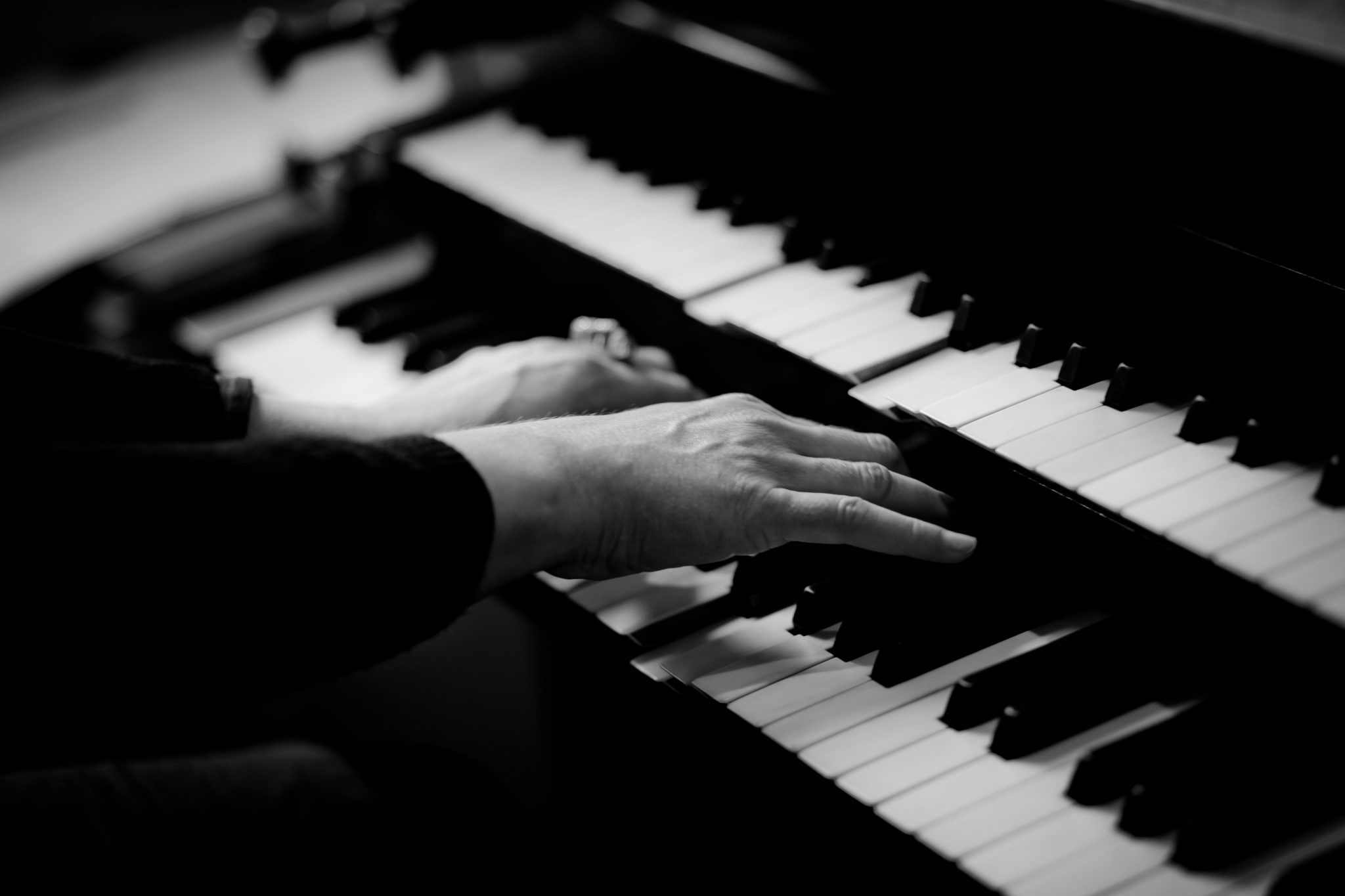
The piano’s process into the digital age is not one of compromise but of thoughtful expansion. From a revered vessel of acoustic tradition, it has evolved into a dynamic and versatile creative station, capable of adapting to the needs of the learner, the performer, and the producer alike. These innovations do not diminish the immense skill, discipline, and emotional depth required to master the instrument; on the contrary, they amplify the potential for that artistry to find new forms of expression. The core experience—the intimate connection between a player’s hands and the keys—remains the central focus, enriched now with tools that foster growth and unlock new creative pathways. This harmonious relationship between heritage and horizon ensures the piano will not become a relic. Instead, it is more alive and relevant than ever, securing its powerful voice in the hands of musicians for the next century and beyond.