

The wellness industry is obsessed with the narrative. You know the one: lavender candles, meditation apps, expensive face masks, the perfect morning routine that somehow requires six different products. Instagram has sold us on the idea that self-care is something we buy, consume, or perform—a carefully curated experience we photograph and share.
But here’s what nobody mentions when they’re selling you the dream: the most crucial part of wellness has nothing to do with any of that.
The Gap Between Intention and Reality
You can light every candle ever manufactured. You can download every meditation app. You can attend hot yoga religiously and finally perfect that morning smoothie bowl that takes forty-five minutes to assemble. But if you’re not actually looking after your physical health, all of it becomes theater—expensive, beautiful theater, but theater nonetheless.
The problem is this: wellness culture has successfully romanticized everything except the part that actually matters. We obsess over the aesthetics while ignoring the foundation.
Think about the most successful people you know—the ones who genuinely seem to have their lives together. They’re not necessarily the ones with the most elaborate skincare routines or the best meditation streak. They’re the ones who take their health seriously. They see their doctors. They don’t ignore warning signs. They understand that wellness starts with caring for the vessel that carries them through life.
Why Healthcare Feels Like a Burden
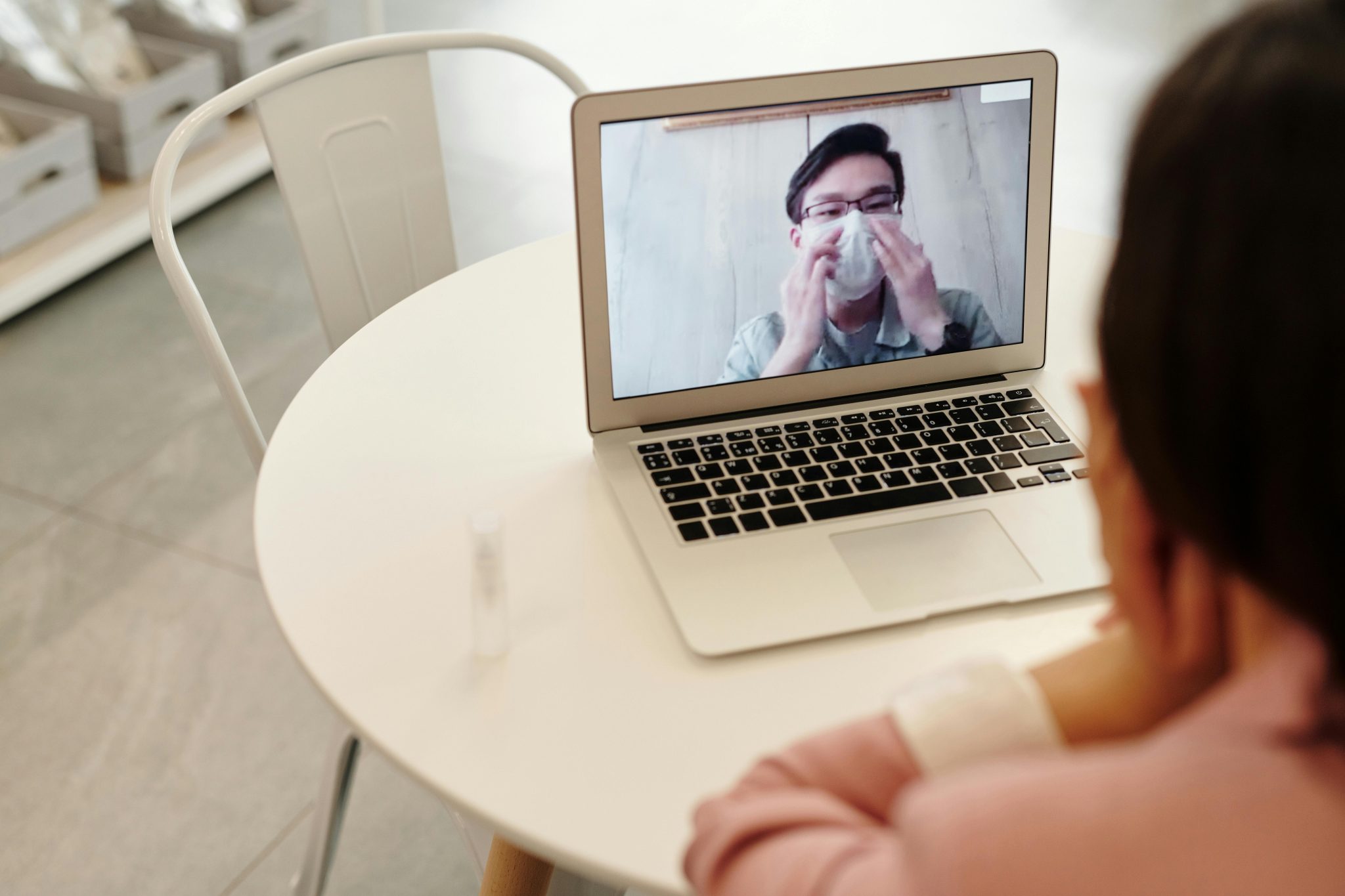
Here’s the reality check: accessing healthcare shouldn’t feel like scheduling a diplomatic negotiation. Yet for most people, finding a doctor feels harder than booking a last-minute flight to Ibiza. You’re calling offices that never seem to answer. You’re navigating insurance websites designed like puzzles. You’re checking multiple sources only to find inconsistent information. By the time you finally get an appointment, you’ve expended enough mental energy that you almost don’t want to go.
This friction matters more than we admit. When something is difficult to access, we avoid it. And when we avoid healthcare, we’re not practicing wellness—we’re just hoping nothing goes wrong.
The irony is brutal: the wellness industry sells us relaxation while simultaneously creating stress through an inaccessible healthcare system that makes us anxious about our health.
The Missing Piece of Every Wellness Routine
Actual wellness—sustainable, real wellness—begins with accessibility. It requires being able to find a healthcare provider without jumping through hoops. It means knowing that when something feels off, you can actually get help without that process becoming another stressor.
This is why modern healthcare platforms have become so important. They’re not sexy. They won’t look good on your Instagram story. But they solve one of the most critical obstacles to genuine wellness: making it possible to see a doctor without the entire ordeal feeling like a second job.
The process should be straightforward: you need care, you find a provider, you book an appointment. The technology should disappear. But right now, for most people, the process of finding a healthcare provider is so convoluted that many people simply don’t do it—until something forces their hand.
What Good Healthcare Access Actually Looks Like
Imagine this instead: You realize you should probably get a check-up. You spend fifteen minutes on a platform like Vosita, filter by insurance, location, and availability. You see real-time openings. You book an appointment. Done.
No phone tag. No playing the insurance verification guessing game. No hours spent digging through provider networks. Just access.
When healthcare feels this simple, something shifts. Suddenly wellness moves from being something you do (the performance) to something you maintain (the practice). You actually see your doctor regularly. You catch things early. You don’t wait until something hurts to address it.
This accessibility is what transforms wellness from a lifestyle brand into an actual lifestyle.
The Mental Health Connection
Here’s something the candle companies definitely won’t tell you: your mental health improves when you’re not stressed about accessing physical healthcare. When you know you can quickly find and book an appointment with a doctor, it removes one constant source of low-grade anxiety that most people don’t even realize is there.
You’re not walking around with that nagging feeling of “I should probably see someone but it’s too complicated.” That mental burden disappears. And it’s replaced by something infinitely more valuable: agency. The feeling that you can actually take care of yourself.
This is the kind of wellness that actually sticks. Not because it’s Instagram-worthy, but because it’s real.
Building a Wellness Practice That Actually Works
If you’re serious about wellness—not the performance version, but the actual version—here’s what that looks like in practice:
First, establish regular healthcare. This is the foundation everything else builds on. Find a primary care provider you trust and see them regularly, not just when something is broken.
Second, listen to what they tell you. Healthcare providers can catch things you’d never notice. They can provide guidance that no wellness influencer ever will, because it’s specifically tailored to your body and your situation.
Third, take preventive care seriously. This is where the actual magic happens. Regular check-ups, screenings when appropriate, and addressing concerns before they become bigger problems—this is wellness at its most powerful.
Fourth, integrate this into your lifestyle. Make healthcare as much a part of your routine as exercise or meditation. It’s not something you do occasionally when you feel bad; it’s something you maintain consistently because you’re serious about feeling good.
The Ultimate Wellness Status Symbol

There’s something genuinely grounded and mature about people who have their healthcare sorted. They’re not stressed about finding a doctor. They’re not avoiding appointments. They don’t carry that low-level anxiety about health matters.
It’s the opposite of glamorous, which is exactly why it works. Real wellness isn’t about looking like you have your life together—it’s about actually having your life together, in the ways that genuinely matter.
The wellness industry can keep selling us the candles and the apps and the expensive face serums. But the actual foundation of any sustainable wellness practice is simpler: being able to take care of your health without it feeling like an obstacle course.
This is why finding reliable access to healthcare—through tools that make the process simple and straightforward—matters as much as any meditation app or skincare ritual ever will. It’s just not as pretty to photograph.
The Unexpected Truth About Self-Care
Real self-care isn’t about what you consume. It’s about caring for yourself in the ways that matter most. And in a world where accessing healthcare shouldn’t be harder than ordering a latte, having a system that makes it simple isn’t just practical—it’s radical.
The most successful people in your life probably have this figured out. They take their health seriously. They don’t view seeing a doctor as an inconvenience or a task to avoid. They understand that you can’t actually take care of yourself if you’re not taking care of your health.
So before you invest in another wellness product, ask yourself: Do I actually have easy access to a doctor? Can I get an appointment without feeling like I’m running an obstacle course? If the answer is no, that might be the most important wellness investment you make this year.
Everything else can wait. This can’t.
Your wellness routine starts with accessible healthcare. Whether you’re building a new wellness practice or refining an existing one, finding reliable primary care is the foundation everything else is built on. When healthcare access is simple, wellness becomes sustainable.