What is Mid-Market Luxury?
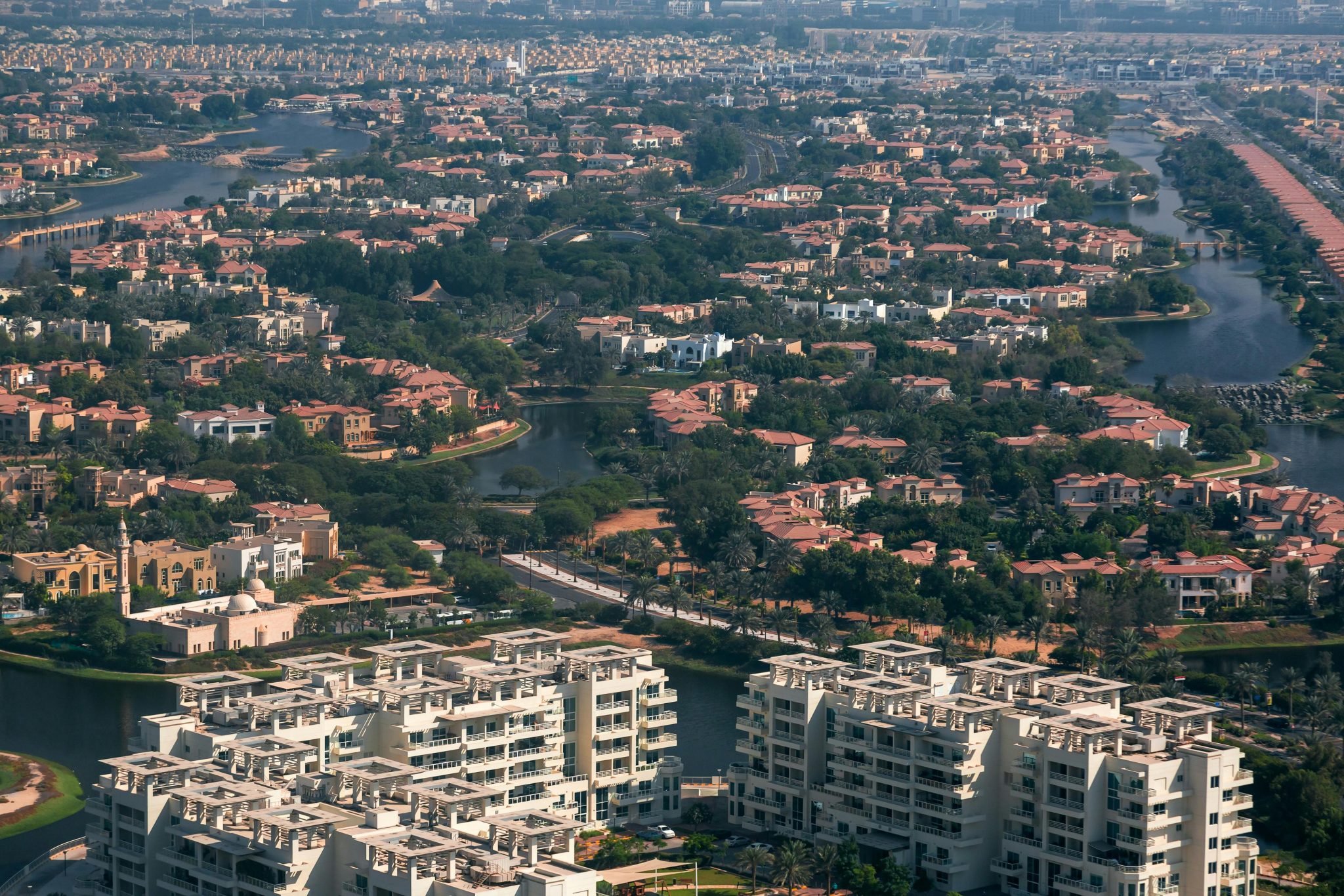
Mid-market luxury sits between premium and basic. It offers high-end finishes, clean design, and comfort—but without a sky-high price tag. It’s not about marble floors or gold taps. It’s about smart layouts, durable materials, and features that improve everyday life.
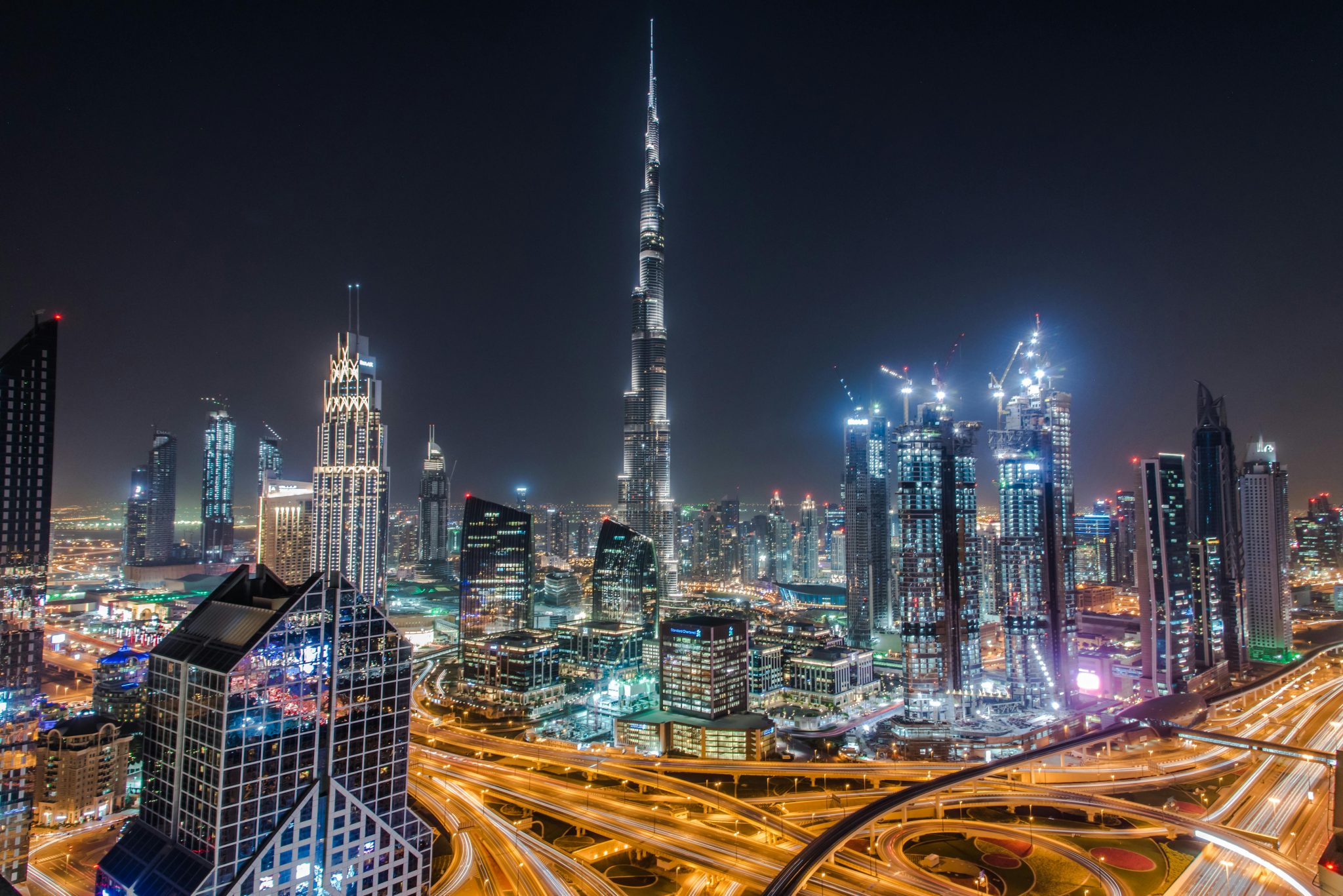
In Dubai, this segment has grown fast. The city’s population hit 3.65 million in 2024. Demand for homes has followed. Many buyers are now younger professionals or families. They want good design, quality construction, and community perks. But they don’t want to—or can’t—pay ultra-luxury prices.
Why Dubai Needs This Now
Dubai’s real estate market has bounced back hard post-pandemic. Property prices jumped 20% year-on-year in 2023. Rents rose even faster—up 27% in some areas. Many new arrivals and residents are being priced out of top-tier properties. But they still want a home that feels modern, safe, and thoughtfully built.
That’s where mid-market luxury comes in. These homes offer the essentials of upscale living, like rooftop pools, fitness areas, and floor-to-ceiling windows. But they cut out wasteful extras. Developers are now rethinking what makes a home feel luxurious—without adding cost that doesn’t matter.
Who’s Leading the Charge?
A good example is Nitin Bhatnagar Dubai, co-founder of Ellington Properties. His goal wasn’t just to sell buildings. He wanted to fix a gap in the market.
“When we started, the choice was either pay a premium for something beautiful—or settle for something average,” he once said during a team meeting. “I saw young couples struggling to find something both liveable and inspiring. We knew we could do better.”
That vision helped reshape how developers in the region approach quality, pricing, and customer experience.
Features That Matter (And Don’t)
What Works:
- Open-plan kitchens with smart storage
- Natural light and high ceilings
- Community spaces like lounges and rooftop gardens
- Reliable build quality
- Location close to schools, parks, and transport
What Doesn’t:
- Overly ornate lobbies that add cost but no function
- Gimmicky tech features that no one uses
- Premium materials in the wrong places (e.g., marble in laundry rooms)
Buyers are more informed now. They check floorplans, research neighbourhoods, and compare fittings. They want good internet, solid maintenance, and low fees—not just chandeliers.
The Data Behind the Trend
In 2024, Dubai saw over 120,000 new property transactions. That’s a 17% increase from the year before. The biggest surge? Mid-size apartments and townhouses under AED 2 million (about USD $545,000). These units were snapped up within days of hitting the market.
A study from Property Finder showed that 61% of buyers in Dubai last year prioritised location and layout over brand names or luxury branding. That’s a shift. People aren’t chasing prestige—they’re buying function and feel.
What Developers Should Focus On
1. Build for Liveability
Avoid oversized units. Instead, optimise space with smart floorplans. Combine storage with style. Think long-term—how will this space age over time?
2. Choose Smart Materials
Don’t cut corners. Use materials that last but aren’t overly expensive. Think engineered wood, matte finishes, and easy-to-clean surfaces.
3. Add Useful Amenities
Skip the spa with no staff. Add shared workspaces, bike storage, and community lounges. People want value from shared spaces—not unused square footage.
4. Listen to Buyers
Hold focus groups. Walk potential buyers through mock units. Use surveys after handover. The more you learn early, the better your product becomes.
5. Keep Service Fees Reasonable
Buyers don’t want surprises. Keep community charges predictable and justified. Be transparent from day one.
What Buyers Can Do
1. Ask the Right Questions
Look beyond the brochure. Ask what materials are used. Who the contractor is. What the warranty covers.
2. Visit at Different Times
Check the property at night and during rush hour. Is parking easy? Is it noisy? How’s the traffic?
3. Talk to Other Owners
Online forums and WhatsApp groups can be gold. Ask current residents about management, fees, and repairs.
4. Consider Long-Term Costs
Cheap can be expensive. A lower unit price might come with higher service fees or poor maintenance. Do the math.
How the Industry Can Improve
Mid-market luxury isn’t just a buzzword. It’s a chance to do better—at scale. Developers who focus on user needs, not just margins, will stand out. Banks should also offer better loan terms for these types of projects. And city planners can support mixed-income neighbourhoods by streamlining permits and zoning for mid-tier housing.
Final Takeaway
The future of housing in Dubai doesn’t lie in gold-plated villas or 90th-floor sky homes. It lies in smart, flexible, beautiful homes that people can actually live in. Developers who understand that—and who build accordingly—will lead the next wave of growth.
It’s not about lowering standards. It’s about raising expectations for what mid-market homes can be.
Want to stand out in this market? Don’t just build what’s trendy. Build what matters.