

Neel Somani, a researcher specializing in mathematics, computer science, and business, has long explored the intersection between computational efficiency and human well-being. His work reflects an era in which the convergence of biology, data science, and advanced computation is redefining how societies understand health, longevity, and performance.
As computing capabilities expand, so too does humanity’s capacity to model complex biological systems, simulate aging, and accelerate breakthroughs that once seemed beyond reach.
The Intersection of Biology and Computation
The relationship between computation and biology has deepened with the rise of high-performance computing (HPC). What once required years of laboratory testing can now be modeled in hours. Molecular simulations, genetic analysis, and population-level health studies increasingly rely on vast computing clusters capable of processing billions of parameters. These systems enable scientists to test hypotheses about disease, nutrition, and aging without relying solely on physical experimentation.
Modern longevity research is no longer confined to clinical trials and biochemistry but now extends into data infrastructure. HPC allows researchers to analyze these datasets to identify subtle correlations between genes, lifestyle factors, and disease outcomes, helping to decode the mechanisms of aging at an unprecedented scale.
“Computational modeling gives us a way to see biological processes as dynamic systems,” says Neel Somani. “When we can model and test interventions computationally, the pace of discovery multiplies. It’s not just faster but more predictive.”
This capability represents a new paradigm in preventive medicine. Instead of reacting to illness, institutions can now simulate the impact of potential interventions long before they reach human trials.
Computational Precision and Predictive Medicine

One of the most promising applications of HPC in longevity science lies in precision medicine. By leveraging AI-driven models trained on enormous datasets, clinicians can forecast how a specific treatment will affect an individual patient based on genetic, environmental, and behavioral data.
Predictive power allows for interventions that are both personalized and preemptive. High-performance computing systems are also key in drug discovery, where virtual screening can rapidly evaluate millions of molecular interactions.
These tools dramatically reduce research time, cost, and risk. Pharmaceutical companies, for instance, can now use HPC to simulate how compounds interact with protein structures that drive age-related diseases like Alzheimer’s, Parkinson’s, or cancer.
Notes Somani, “The computing layer has become the most strategic layer in healthcare. The ability to simulate life processes is what turns data into cures.”
The approach aligns with the democratization trend of medical research. Cloud-based HPC platforms are making advanced computational resources accessible to smaller research institutions and startups, enabling broader participation in the global health ecosystem.
Modeling Aging as a Computational Problem
Longevity science, once philosophical in tone, is now a quantifiable pursuit. Researchers view aging as an information process that can be modeled, measured, and potentially optimized. HPC provides the ability to analyze cellular pathways, track genetic damage, and understand how small variations compound over time to influence lifespan.
Through simulation, researchers can test interventions designed to extend health span rather than merely life span. Nutritional models, mitochondrial performance, and metabolic responses are being examined at the molecular level using computational frameworks that mirror the complexity of biological reality.
These models help redefine what it means to age healthily. Instead of focusing on chronological years, scientists now study functional age. By integrating molecular data with AI-driven predictions, researchers can identify which combinations of lifestyle, nutrition, and pharmacology yield the most sustainable health outcomes.
The Role of Artificial Intelligence in Health Optimization
Artificial intelligence amplifies the capabilities of high-performance computing. Deep learning algorithms are increasingly used to detect patterns in data that are invisible to human analysis. From imaging diagnostics to microbiome mapping, AI models learn from massive datasets to identify early markers of disease or inefficiency in biological systems.
When combined with HPC infrastructure, these AI systems can process multi-modal data in real time. The result is a continuous feedback loop between computation and biology, one that allows for iterative improvements in health management and intervention design.
“Artificial intelligence and HPC are merging into a single ecosystem. We’re building computational analogs of life itself. Every simulation, every model adds another dimension to our understanding of longevity,” says Somani.
Such integrations extend to wearable technology and digital health monitoring, where continuous data collection feeds machine learning models that adapt to each user’s unique biology. Personalized optimization becomes not an aspiration but an ongoing computational process.
Ethical and Practical Challenges
Despite extraordinary potential, longevity research through high-performance computing faces critical ethical and logistical challenges. Data privacy remains a concern, especially as personal health information becomes fuel for global AI systems. Ensuring that computational health models remain transparent, secure, and unbiased is essential to maintaining public trust.
The complexity of biological systems means that even the most advanced simulations must be interpreted carefully. Algorithms trained on incomplete or skewed datasets risk amplifying bias or producing misleading results. Responsible deployment of HPC in health contexts requires interdisciplinary oversight that combines technical, medical, and ethical expertise.
The financial cost of maintaining large-scale computing infrastructure also presents a barrier. Although cloud systems are mitigating some of these expenses, sustainable frameworks for equitable access remain under development.
The Convergence of Human and Machine Performance
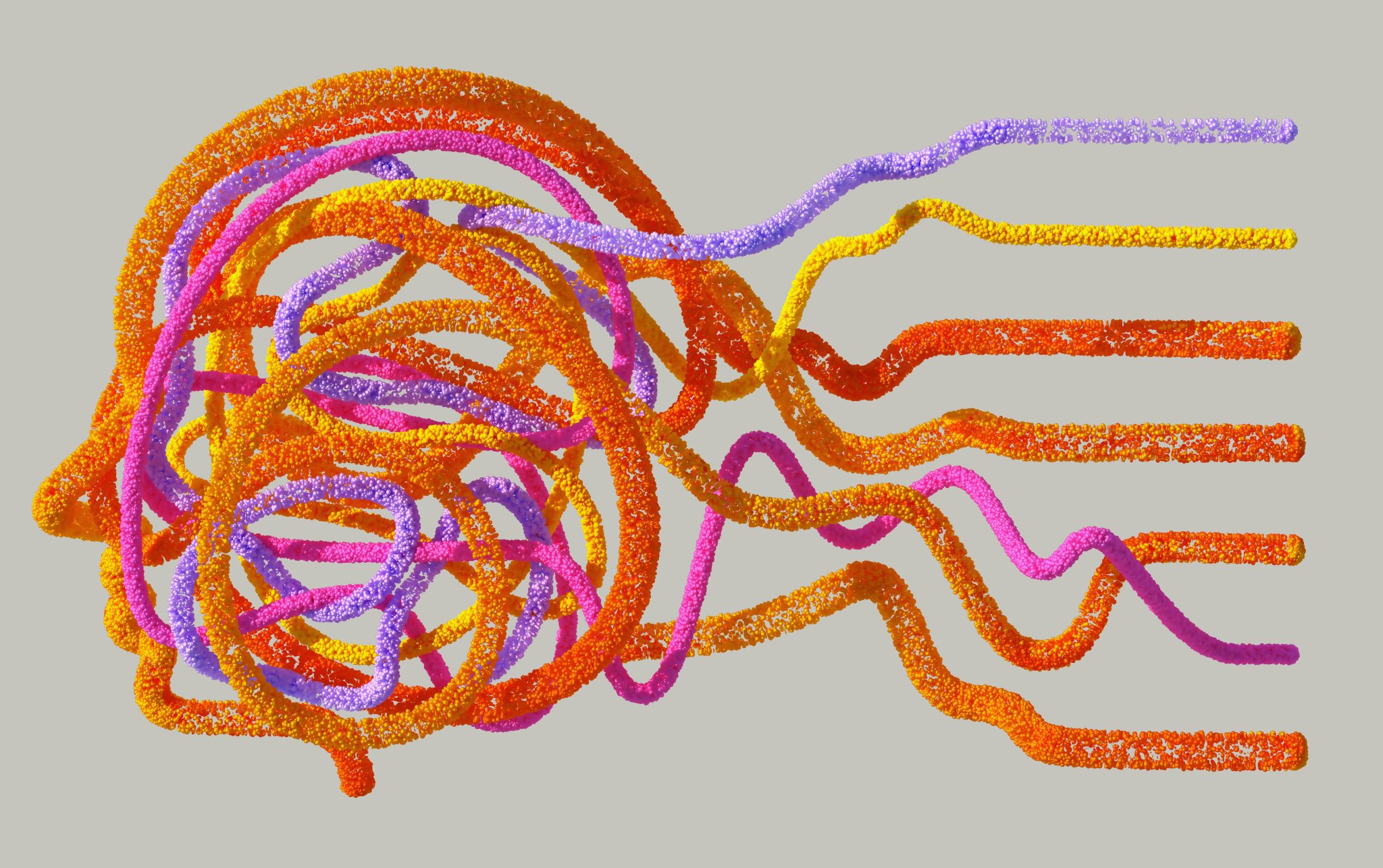
High-performance computing transforms how researchers study longevity while reshaping how individuals approach performance and recovery. In sports science and occupational health, HPC models optimize training regimens, simulate fatigue thresholds, and analyze recovery cycles to maximize endurance and minimize injury.
These same models can be adapted to understand cognitive performance, sleep cycles, and stress resilience in everyday contexts. The boundary between human biology and computational modeling continues to blur. Real-time feedback systems enable individuals to monitor biomarkers and adjust behavior dynamically.
In this sense, the human body becomes part of the computational loop, an active participant in its own optimization process. This symbiotic relationship reflects a broader societal transition toward data-driven living. As computing grows more integrated into personal health management, individuals gain both insight and agency over their biological future.
A Future of Computed Wellness
The fusion of longevity science, healthcare, and high-performance computing points toward a future defined by predictive intelligence and preventive design. Diseases that once appeared inevitable may be managed long before they manifest. Lifestyle optimization could evolve from generalized advice to precise prescriptions generated by real-time computational models.
The promise is profound but conditional, relying on trust. Transparent data governance, rigorous validation, and ethical oversight will determine whether advanced computation fulfills its potential as a public good rather than a privileged tool. Longevity is no longer only a biological challenge but a computational one.
The quality of our health in the next century will depend on the quality of our algorithms today. High-performance computing offers humanity an unprecedented ability to decode, model, and even expand the human experience. Its application to health and longevity is a technical evolution as well as a philosophical one, transforming how society defines vitality, intelligence, and the pursuit of a longer, healthier life.